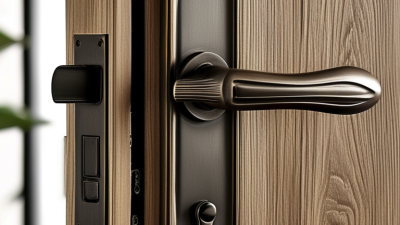
How to Choose the Best Sliding Door Handle?
Choosing the best Sliding Door Handle is not simply a matter of matching finishes. It affects comfort, safety, access, and the door’s daily performance. A handle may look beautiful in a showroom, yet feel awkward when hands are wet or full. Small details matter.
Paul McAlister, an architectural hardware specialist at Häfele, says, “The right handle should support the door’s function before it attracts attention.” That practical view is worth remembering. A sliding door handle should fit the door’s weight, frame thickness, locking system, and room conditions. Stainless steel can suit a busy kitchen, while a warm brass finish may better complement a quiet bedroom. Measure twice.
Grip depth also deserves attention. A shallow pull can press against fingertips, especially on a heavy glass door. A rounded edge feels gentler during repeated use. Children, older users, and people with limited hand strength may need a larger, easier grip. These details are easy to miss.
I have seen attractive handles chosen too quickly. They looked perfect, but their screws loosened after months of movement. That mistake is worth considering. Reliable selection requires checking material quality, fixing methods, corrosion resistance, and manufacturer guidance. Not every stylish handle is suitable for every sliding door.
This guide will compare handle types, sizes, materials, finishes, and installation requirements. It will also examine budget and long-term maintenance. The best Sliding Door Handle is not always the most expensive option. It is the one that feels natural, stays secure, and continues working quietly every day.
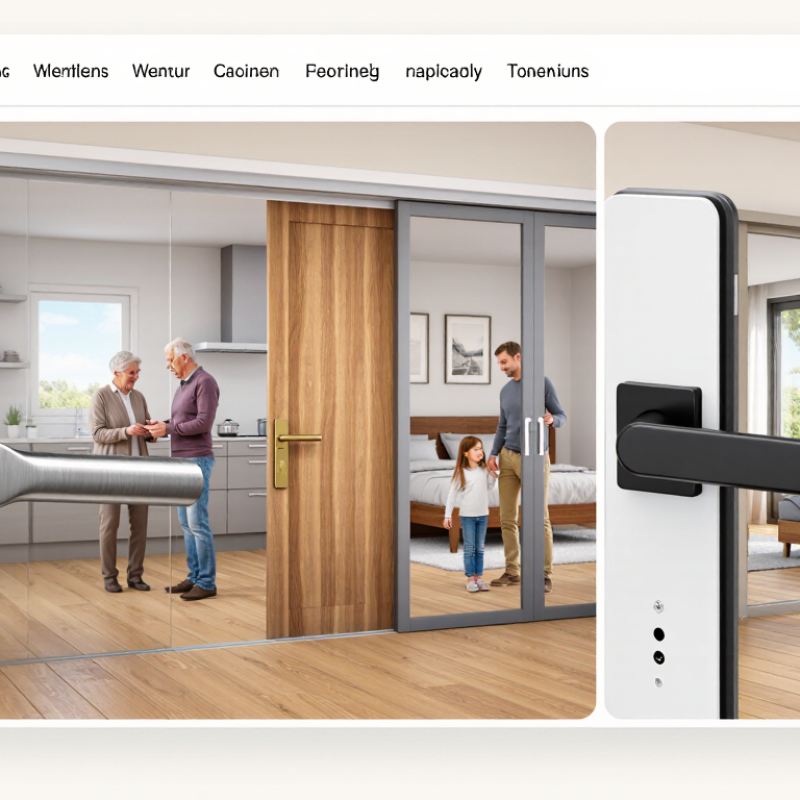
Understanding Sliding Door Handle Types and Their Uses
How to Choose the Best Sliding Door Handle?
Understanding Sliding Door Handle Types and Their Uses
Choosing a sliding door handle begins with understanding how each type works.
Recessed handles sit inside the door panel, so they suit narrow passages and pocket doors.
Their shallow profile prevents clothes and furniture from catching.
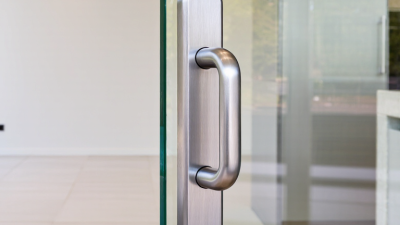
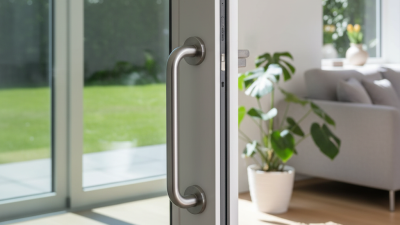
Pull handles project outward and provide a stronger grip for heavy glass or timber doors.
They need enough clearance beside the opening.
Flush pulls look clean and remain nearly level with the surface.
They work well in modern interiors, but small recesses may feel difficult for wet or slippery hands.
Edge pulls are useful for pocket doors because they help users retrieve the hidden panel.
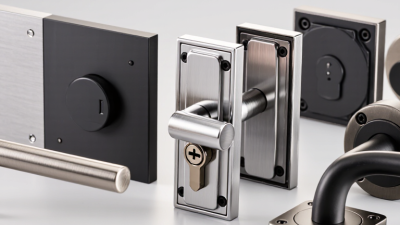
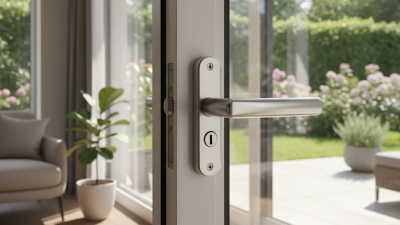
Lockable lever handles add privacy to bedrooms, offices, and bathrooms.
Check the locking mechanism carefully. Some are less comfortable for children or older users.
Measure the door thickness, frame clearance, and handle backset before buying.
A handle should match the door’s weight and sliding hardware, not only its appearance.
Stainless steel or coated metal usually handles frequent contact better than fragile decorative finishes.
In coastal homes, corrosion resistance deserves extra attention.
Test the grip if possible. It should feel stable without forcing the wrist.
I once chose a slim pull that looked excellent, but it became awkward when opening a heavy door.
That mistake was avoidable. Accessibility also matters; rounded edges and a generous grip can reduce strain during daily use.
A beautiful handle is not always the most practical one.
Assessing Door Material, Size, and Operating Requirements
How to Choose the Best Sliding Door Handle?
The door material determines how securely a handle can be installed. Glass doors often need compatible clamps or bonded fittings. Timber doors usually accept screws, but soft wood may require reinforcement behind the fixing points. Aluminum and steel doors can have narrow frames, leaving limited space for drilling. Always check the door’s thickness, frame width, and internal construction before selecting a handle.
Size affects both comfort and balance. Measure the stile, available mounting area, and distance from nearby walls. A long pull handle suits a wide, heavy panel. A compact flush handle works better where walkways are narrow. The grip should feel natural without forcing the wrist. I once chose a handle by appearance alone, then found its fixing plate covered too little surface. The door flexed during use. That mistake changed how I measure.
Operating conditions matter just as much. Frequent-use doors need durable materials and secure fasteners. Damp rooms require corrosion-resistant surfaces and easy-clean shapes. Exterior doors may need a deeper grip for wet or gloved hands. Consider whether users push, pull, slide, or lock the door with one hand. Children, older adults, and people with limited strength may need a larger, rounded grip. Test a sample handle if possible. A small trial can reveal awkward clearance, sharp edges, or excessive resistance before installation.
Selecting the Best Handle for Your Space and Budget
Choosing the best sliding door handle depends on your space, daily habits, and budget. A beautiful handle is not enough if it feels loose or awkward. Measure the door thickness, backset, and mounting holes before shopping. These details prevent expensive mistakes. For heavy glass or timber doors, choose durable metal with a firm grip. In damp rooms, corrosion-resistant finishes usually provide better long-term value. I have found that a slightly larger handle often feels safer for children and older users.
Budget should include installation, not only the handle. Low-cost models may look attractive, but weak screws or rough edges can create problems later. Still, the most expensive option is not automatically the best. Compare material quality, warranty terms, cleaning needs, and replacement parts. A simple handle with reliable fixing may outperform a decorative design. I once chose a finish based only on appearance, and fingerprints made it frustrating to maintain. That choice needed more thought.
Tips: Test the grip with one hand before buying. Check whether the handle clears nearby walls, curtains, and furniture. For frequent use, avoid sharp edges and slippery surfaces. If installation feels uncertain, ask a qualified installer to check the door structure. Reconsider your first choice after measuring twice.
How to Choose the Best Sliding Door Handle?
Typical retail price ranges vary by handle style, material, finish, and installation method. Recessed pulls are usually the most budget-friendly, while larger stainless-steel D-pulls generally cost more but offer a strong grip and long-term durability. Choose a handle that matches the door thickness, available clearance, safety needs, and overall budget.
Indicative non-brand price ranges in USD; actual prices vary by region, material grade, finish, and hardware specifications.