How to Choose the Right Sliding Door Handle for Your Home?
Choosing the right sliding door handle can significantly enhance your home’s aesthetic and functionality. According to John Smith, a renowned expert in home design, “The sliding door handle is often overlooked, but it plays a crucial role in the overall first impression.” Understanding how to select the best one requires attention to detail and a grasp of style.
When considering a sliding door handle, factors such as design, material, and ease of use are essential. The handle should complement your existing decor while being durable and easy to operate. Many homeowners make the mistake of choosing a handle purely for looks, neglecting its practicality. Reflecting on your personal needs will lead to a more satisfying choice.
Make sure to explore various options. Not all handles suit every door; compatibility with your sliding door’s mechanism is vital. Aesthetics matter, but functionality is what keeps your doors operating smoothly. Each component, including your chosen sliding door handle, contributes to a better living space.
Understanding the Different Types of Sliding Door Handles
When it comes to sliding door handles, several types offer unique benefits. One common type is the retractable handle. This handle tucks away neatly when not in use. It’s ideal for spaces where aesthetics matter. However, it may require more effort to operate for some users. Assess your daily routine to see if it meets your needs.
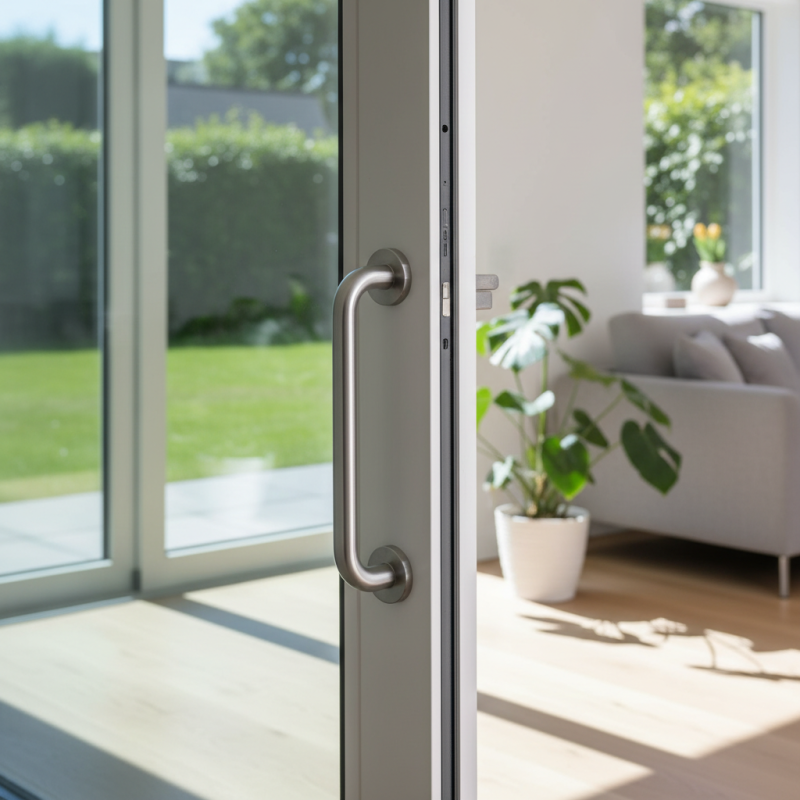
Another option is the grip handle. These handles provide a sturdy hold, making sliding doors easier to operate. They come in various designs and finishes, allowing for personalization. However, they might protrude more than other types, which could be a concern in tight spaces. Think about the layout of your home. Will the grip handle fit seamlessly?
Lastly, there's the finger pull handle, which is minimalistic and installed flush against the door. This type is appealing for modern designs. However, it can be tricky for older individuals or children to operate effectively. Carefully consider who will be using the handle most. Reflecting on your requirements can lead you to the right choice for your sliding doors.
Factors to Consider When Choosing a Sliding Door Handle
Choosing the right sliding door handle involves several critical factors. An essential aspect is the material. Common materials include stainless steel, aluminum, and plastic. Stainless steel offers durability and a modern aesthetic. Meanwhile, aluminum is lightweight and resistant to corrosion. However, plastic can fracture or fade over time, requiring replacement sooner.
Functionality also plays a key role. Consider the door’s weight and frequency of use. A heavier door needs a robust handle. Ergonomics is another critical factor. Handles should fit comfortably in the hand. According to a report by the American National Standards Institute, improper handle design can lead to strain or injury over time. Many homeowners overlook this element, leading to regret later.
Security features should not be ignored. A handle with a built-in locking mechanism adds safety. The National Association of Home Builders confirms that secure sliding doors are essential for home security. A handle that looks good but lacks functionality can be a costly mistake. Always weigh aesthetics against practicality. This balance ensures long-term satisfaction with your choice.
Materials and Finishes for Sliding Door Handles
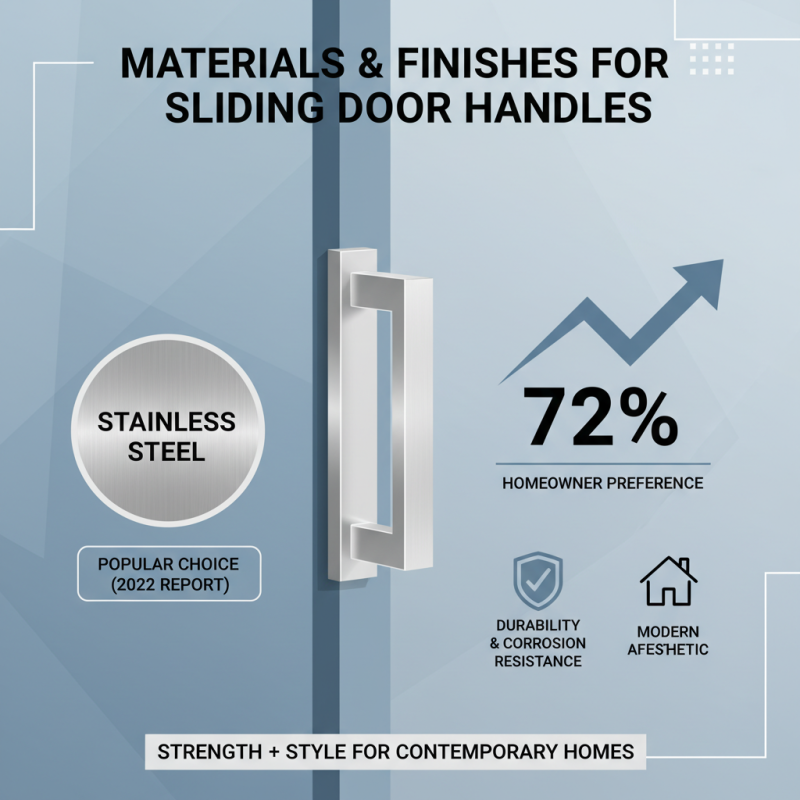
When selecting handles for sliding doors, materials play a crucial role. Stainless steel is a popular choice due to its durability and resistance to corrosion. According to a 2022 industry report, 72% of homeowners prefer stainless steel for sliding door hardware. This material combines strength with a modern aesthetic, making it ideal for contemporary homes.
On the other hand, wood finishes provide a warm and inviting look. Wooden handles often come in various stains, allowing homeowners to match their interior decor seamlessly. However, wood is susceptible to humidity, which can lead to warping or discoloration. A survey by Home Improvement Magazine revealed that 45% of respondents experienced issues with wooden sliding door handles in high-humidity areas.
Another emerging trend is the use of black matte finishes in handle designs. This sleek option adds a touch of elegance to any sliding door. However, maintaining a clean appearance may require extra effort, as fingerprints and smudges can be more visible. Balancing aesthetics and practicality is essential when choosing the right finish. Each material offers distinct advantages and potential drawbacks, which deserve careful consideration.
Measuring and Fitting a Sliding Door Handle
When measuring for a sliding door handle, accuracy is key. Begin by measuring the
door thickness. Most sliding doors vary between 1 ⅜ inches to 2 inches.
Standard handles are designed to fit this range. The handle's backset is also crucial. This is the
distance from the edge of the door to the center of the handle. Measuring correctly ensures a proper fit.
Consider the distance between the handle and any lock mechanism. According to industry reports, about
40% of users mistakenly select handles that interfere with lock
placement. A well-measured handle can enhance security and ease of use. Using a measuring tape is recommended.
Always double-check your measurements to minimize errors.
Installation requires attention to detail. Inadequate fitting may lead to functionality issues. For example, a
poorly aligned handle can cause excessive wear. Experts suggest testing the handle's movement
before securing it entirely. A great fit should feel smooth, without resistance. Be prepared to adjust your
installation process based on the fit. Proper fitting not only improves usability but also prolongs the lifespan
of the handle.
Installing and Maintaining Your Sliding Door Handle
When it comes to sliding door handles, proper installation is key. Ensuring the handle is mounted securely can prevent future issues. According to the American National Standards Institute (ANSI), a misaligned handle can lead to increased wear. This might shorten its lifespan significantly. It's advisable to use a level during installation. This simple tool can help guarantee precision.
Maintenance doesn't require extensive effort but must not be overlooked. Lubrication is essential; opt for a silicone-based spray that won’t attract dirt. Regular checks can reveal wear signs that might compromise security. A study by the Hardware Manufacturers Association found that neglecting these small steps can increase malfunction rates by over 30%. Identifying minor problems early ensures functionality and extends the handle’s life.
Being proactive is also essential. Regular inspections should not just focus on aesthetics but functionality as well. A handle that feels loose? It might indicate deeper issues. Thus, reflecting on even minor inconveniences can lead to better overall performance. A diligent approach will enhance your home’s security and comfort.