10 Essential Tips for Choosing the Right Single Point Lock for Your Security Needs
Selecting the right Single Point Lock is crucial for enhancing your security measures. John Smith, a veteran security consultant with over 15 years in the industry, emphasizes, “The right lock can mean the difference between safety and vulnerability.” Choosing a reliable lock involves understanding your specific needs and the environment it will serve.
With various options available, it can be overwhelming to make a choice. Factors such as durability, ease of installation, and resistance to tampering must be considered. A Single Point Lock should offer a seamless blend of security and convenience. However, not all locks are created equal, and even small discrepancies in quality can lead to significant issues.
Being informed is key to making a wise decision. Engaging with experts and assessing the features of different products can help ensure the best fit for your security requirements. Remember, a lock is only as good as its installation and maintenance. Misjudging these elements may lead to regrets in your security strategy.
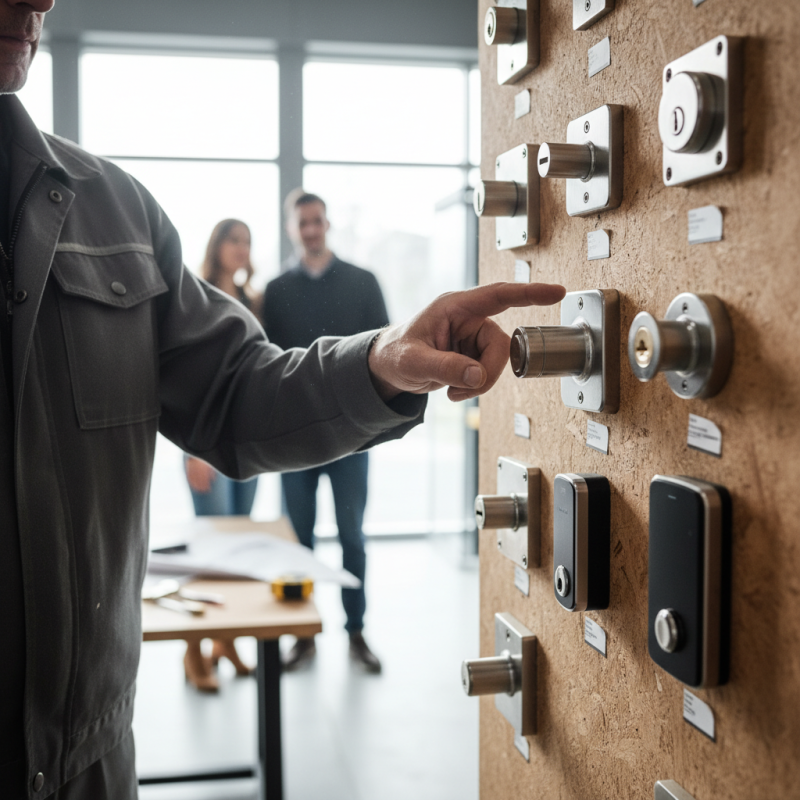
Understanding the Importance of Single Point Locks in Security
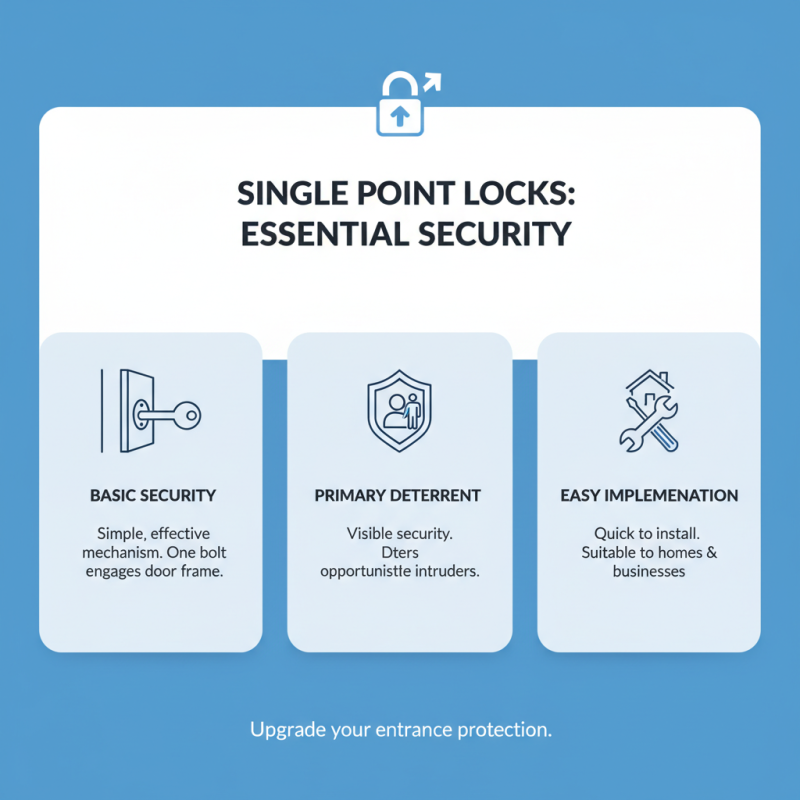
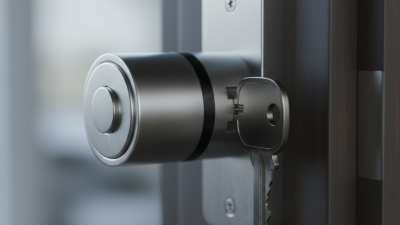
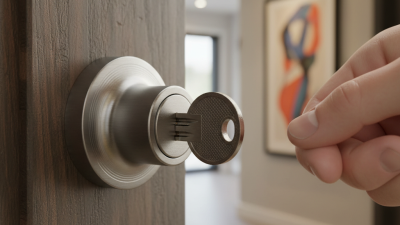
Single point locks play a crucial role in securing entrances. Understanding their importance can help you make informed decisions. These locks offer basic security, providing a simple but effective solution for homes and businesses. They engage a single bolt into the door frame. This straightforward mechanism can deter intruders when installed properly.
However, the effectiveness of single point locks depends on multiple factors. The quality of materials used matters greatly. Weak locks can easily be compromised. It is vital to assess the environment where the lock will be installed. High-crime areas may require additional security layers. Reinforced doors or supplementary locks could enhance overall safety.
Choosing the right lock involves research and reflection. Not every lock is suitable for every situation. A poorly chosen lock may give a false sense of security. Professionals often recommend evaluating your specific needs before making a choice. This thoughtful approach ensures that you invest in the best security solution for your space.
Key Features to Consider When Selecting a Single Point Lock
When selecting a single point lock, several key features are paramount. Durability is essential. Look for locks made of high-quality materials. Steel or hardened alloys can withstand attempts at forced entry. A good lock should also resist corrosion, ensuring long-term performance regardless of weather conditions.
Security ratings, like those from recognized standards, provide valuable insights. These ratings indicate the lock's effectiveness against various attack methods. An understanding of these ratings can guide you toward the best choice. Additionally, ease of installation and operation matters. A complex lock can frustrate users or lead to security gaps.
Consider the locking mechanism. Some have bolts that extend deep into the frame, offering enhanced security. Others may include keyless entry options, which add convenience but can require batteries. User experience is often overlooked. A lock that is difficult to operate might deter proper use. Balancing security with convenience is critical. Reflecting on these factors can lead to a thoughtful selection process.
Evaluating Different Types of Single Point Locks for Your Needs
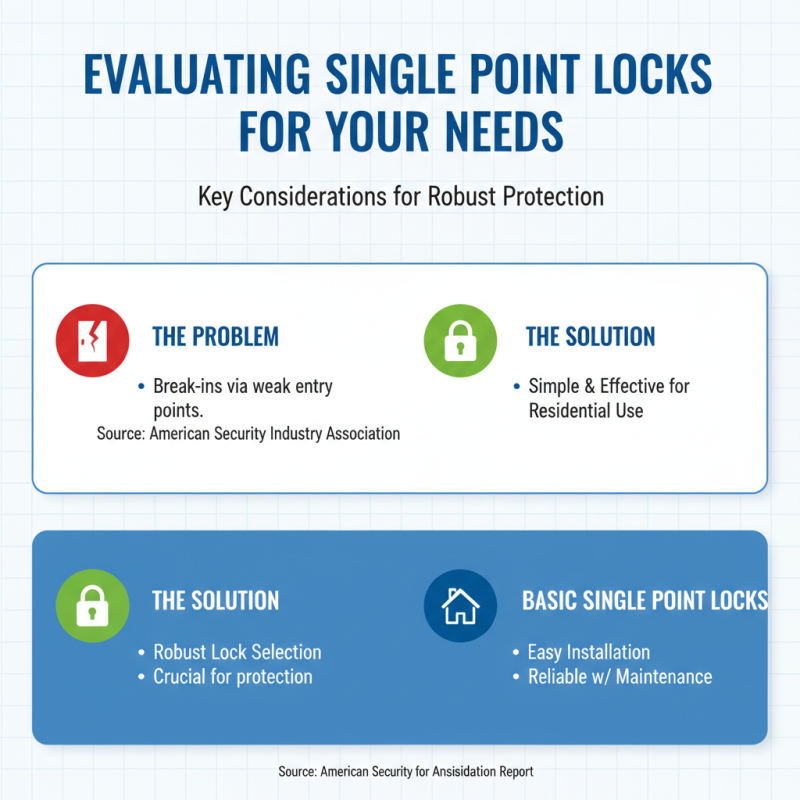
When evaluating different types of single point locks, several factors come into play. The American Security Industry Association reports that over 60% of break-ins occur through weak entry points. Thus, selecting a robust lock is vital for protection. Basic single point locks offer a simple yet effective solution for residential needs. They are often easy to install and provide reliable security when maintained properly.
However, not all single point locks are created equal. Some may lack the durability needed for high-traffic areas. A report from the Lock Manufacturer's Association highlights that 30% of lock failures occur due to wear and tear. This makes understanding material quality and usage frequency essential when choosing a lock. For example, stainless steel options often outperform brass ones in longevity.
It is also crucial to consider compatibility with existing door hardware. This can significantly impact both security and functionality. Many overlook this aspect, leading to potential vulnerabilities. Regular assessments can address these gaps, ensuring locks remain effective. Ultimately, educated choices rooted in material assessments and application suitability are fundamental for enhancing security.
Installation Considerations for Single Point Locks in Your Security System
When considering the installation of a single point lock, several factors come into play. First, assess the material of the door. A robust metal door may require different locking mechanisms compared to a wooden one. Ensure the lock aligns with the door structure. Misalignment can lead to vulnerabilities, making your security system less effective.
Next, think about the mounting options. A flush mount might fit well in some settings but may not in others. The positioning of the lock is crucial. An improperly installed lock may be easier to bypass. Look into the strength of the locking bolts as well. They should extend deep into the door frame for optimal security.
Consider the user experience during installation. Some locks may have complicated mechanisms that require advanced knowledge. Not all installers can handle these intricacies. If done incorrectly, this can lead to operational issues. Regular maintenance checks should also be on your radar. A lock that is not regularly maintained may fail when you need it most. Taking heed of these considerations can enhance the overall security of your environment.
Maintenance Tips for Ensuring Longevity of Your Single Point Lock
Maintaining a single point lock is crucial for ensuring its longevity and effectiveness. Regular maintenance can prevent costly replacements and enhance security. According to the Security Industry Association, proper maintenance can extend the lifespan of a lock by up to 50%. Yet, many overlook this essential aspect.
To maintain your single point lock, start with regular inspections. Check for rust or corrosion. These can compromise the integrity of the lock. A simple wipe with a damp cloth can prevent dirt buildup, ensuring smooth operation. Regular lubrication is also vital. Use a silicone spray or graphite powder to keep the mechanism functioning properly. Industry reports indicate that 30% of lock failures stem from lack of lubrication.
Additionally, assess the alignment of the door and lock. Misalignment can cause undue stress on the lock, making it prone to failure. This often goes unnoticed until it's too late. Engaging a professional for periodic checks might seem unnecessary, but it could save money and enhance safety. Ignoring maintenance leads to increased risks. A proactive approach not only secures your property but also promotes long-term performance of the lock system.