What is a Sliding Door Handle and How to Choose the Right One?
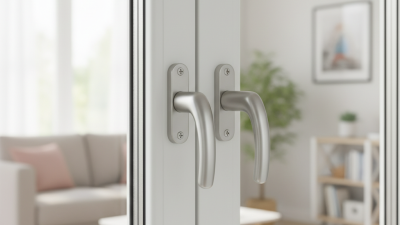
When it comes to home design, the details matter. One often-overlooked element is the sliding door handle. This hardware not only serves a functional purpose but also enhances the aesthetic of your space. Choosing the right sliding door handle can be challenging. With so many styles and materials available, it’s easy to feel overwhelmed.
A sliding door handle needs to align with the style of your door and the overall decor of your home. You want it to be not only beautiful but also durable and easy to use. Consider the finish, grip, and installation ease. Each choice you make can impact both functionality and style.
Reflect on your living space. Does your current sliding door handle match your vision? If not, it might be time to rethink your selection. A thoughtful choice can improve both usability and appearance. Remember, every detail counts in creating your ideal home environment.
What is a Sliding Door Handle? An Overview of Its Functionality
Sliding door handles serve as the gateway to enhanced accessibility and aesthetics in residential and commercial spaces. These handles allow smooth operation of sliding doors, which are often preferred for their space-saving benefits. According to a recent industry report, sliding doors have gained popularity, with a 25% increase in installation over the last five years. This growth indicates their functional importance and reliance on quality hardware like handles.
When selecting a sliding door handle, consider the material and design. Stainless steel options are praised for durability. However, the aesthetic appeal of handles can be forgotten in favor of functionality. Some designs may not align with modern aesthetics, leading to mismatched interior styles. Research shows that 40% of homeowners regret handle choices due to lack of compatibility with surrounding decor. It’s crucial to balance appearance with functionality.
Ergonomics also plays a significant role in the choice of sliding door handles. A poorly designed handle can lead to user discomfort or door malfunction. Studies suggest that individuals often overlook the ease of grip in their selections. This oversight can lead to frustration, particularly for those with limited mobility. Reflect on the usability of handles rather than just design. Opt for handles that provide both comfort and ease of use, ensuring a satisfactory long-term choice.
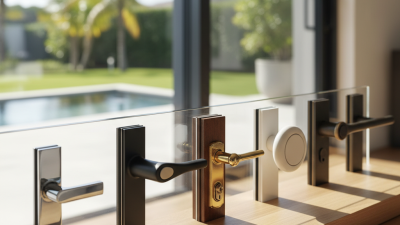
Key Types of Sliding Door Handles: Materials and Designs Explained
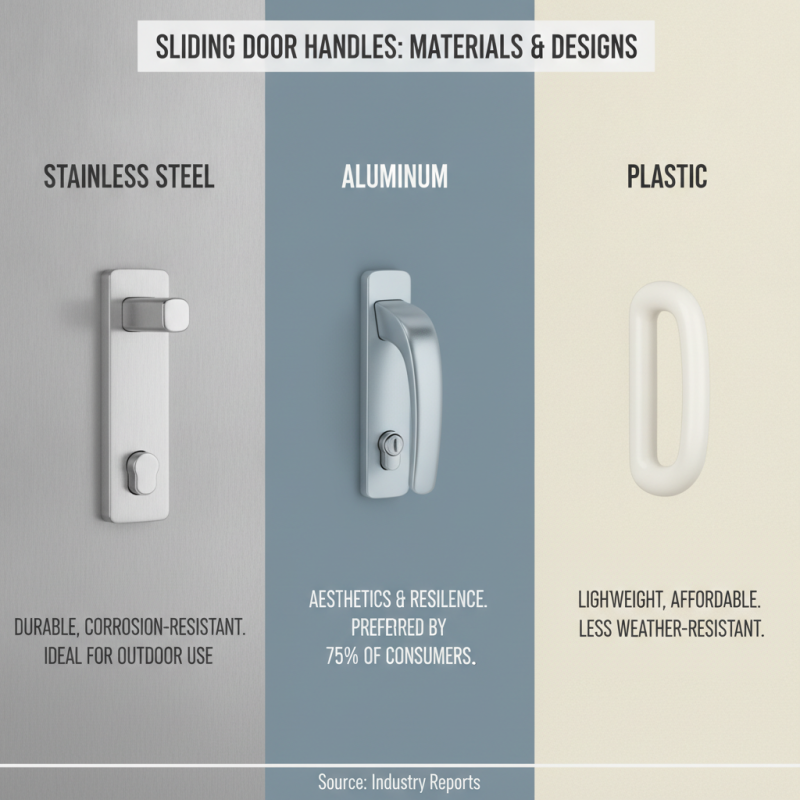
When selecting a sliding door handle, understanding materials and designs is crucial. Common materials include stainless steel, aluminum, and plastic. Stainless steel handles are durable and corrosion-resistant, making them ideal for outdoor use. Plastic options tend to be lightweight but may not endure harsh weather conditions as well. According to industry reports, about 75% of consumers prefer aluminum handles for their aesthetic and resilience.
Designs vary significantly. Retractable handles offer a sleek, minimalist look, while more traditional options are easier to grip. A study from a home improvement survey indicated that 54% of homeowners prioritize functionality over appearance. A handle that is too low or difficult to operate can lead to frustration. Each design has strengths but also drawbacks.
With sliding doors, usability is key. Handles should complement the door style and ensure smooth operation. Many users overlook ergonomic factors. A handle that feels comfortable in hand is essential. If a sliding door handle doesn’t align well with the door mechanism, it can cause misalignment over time. Thoughtful consideration of these elements leads to better choices and satisfaction.
Factors to Consider When Choosing Sliding Door Handles for Your Home
When selecting sliding door handles for your home, several factors should be taken into account. One important consideration is the material of the handle. Most common options are stainless steel, aluminum, and plastic. Data from the Home Improvement Research Institute shows that stainless steel handles are favored for their durability and resistance to corrosion. Choosing handles made from high-quality materials can enhance both aesthetics and functionality.
Ergonomics also plays a critical role in the selection process. Research indicates that 65% of homeowners experience discomfort with poorly designed handles. A handle's shape should fit comfortably in the hand, allowing for easy operation. This is essential, especially for families with children or elderly members. Additionally, color and style should complement the overall design of your sliding door and surrounding decor. The market trends indicate a rise in minimalistic designs that blend seamlessly with modern interiors.
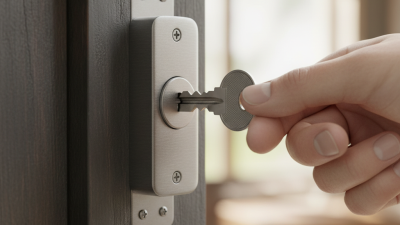
Security features are another vital aspect to ponder. Specialty reports reveal that over 30% of home burglaries occur through sliding doors. Enhanced locking mechanisms and secure handle designs can help mitigate this risk. Some handles even come with advanced security options, such as smart locks. Consider assessing the specific needs of your home environment to determine the best choice. While the right handle can enhance both style and safety, it is crucial to avoid hasty decisions without thorough evaluation.
Factors to Consider When Choosing Sliding Door Handles
Industry Standards for Sliding Door Handles: Durability and Safety Ratings
When selecting a sliding door handle, paying attention to industry standards is crucial.
Durability is one of the primary factors to consider.
Handles should withstand frequent use without showing signs of wear. Look for materials like stainless steel or
heavy-duty plastic, which provide reliability.
Safety ratings also play a vital role.
A good handle should offer a firm grip to prevent accidents. In addition, sharp edges should be avoided to ensure user safety,
especially in homes with children. It might not always be clear which products meet these standards.
Choosing the right handle can feel overwhelming. It’s common to overlook the importance of proper fit.
A handle that doesn’t align with the door mechanism may cause frustration. Many people fail to check this detail.
Remember, a quality handle can enhance your door’s functionality and overall aesthetic.
Maintaining Your Sliding Door Handle: Best Practices for Longevity
Sliding door handles can wear over time. To maintain their functionality, regular inspections are essential. Check for loose screws or parts. Tighten them when necessary to avoid further issues.
Cleaning is crucial for longevity. Use a mild soap solution to wipe down the handle. A soft cloth works best. Avoid harsh chemicals, as they can damage the finish.
Lubrication helps, too. Use silicone spray or graphite powder for smooth operation. Apply it to the moving parts of the handle. This prevents sticking or jamming. Remember to avoid over-lubricating, as excess can attract dirt. Maintaining your sliding door handle properly will extend its life and enhance its performance.
What is a Sliding Door Handle and How to Choose the Right One? - Maintaining Your Sliding Door Handle: Best Practices for Longevity
| Handle Type |
Material |
Finish Options |
Price Range |
Durability |
| Lever Handle |
Aluminum |
Matte, Polished |
$15 - $30 |
High |
| Pull Handle |
Stainless Steel |
Brushed, Polished |
$20 - $40 |
Very High |
| Flush Handle |
Plastic |
Black, White |
$5 - $15 |
Moderate |
| Sliding Door Lock Handle |
Zinc Alloy |
Chrome, Brass |
$25 - $50 |
High |
| T Handle |
Bronze |
Antique, Oil-Rubbed |
$30 - $60 |
Very High |