How to Choose the Best Casement Door Lock Box for Your Home?
Choosing the best casement door lock box for your home is critical. Security is a top concern for homeowners. A reliable lock box enhances safety. It adds peace of mind, knowing your home is protected.
When selecting a casement door lock box, consider several factors. Quality materials are essential for durability. Additionally, the design should complement your home’s aesthetic. Take note of the locking mechanism; it should be easy to use but difficult to tamper with.
Finding the right lock box can be tricky. Many options exist on the market. Some may look appealing but lack strength. Balancing style and security is important. Make informed choices to safeguard your home effectively.
Understanding Casement Door Locks: Types and Mechanisms
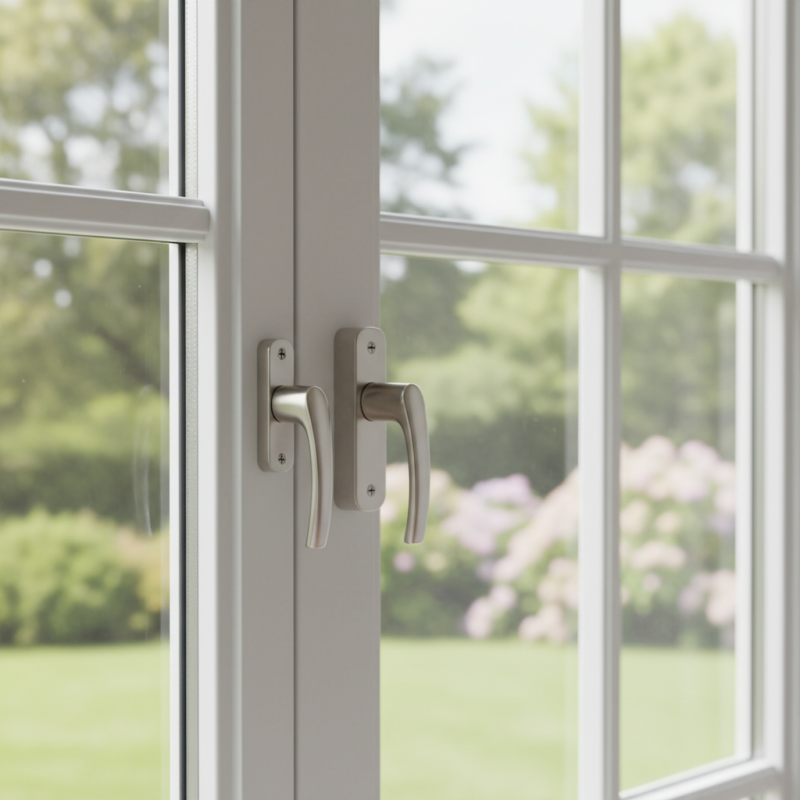
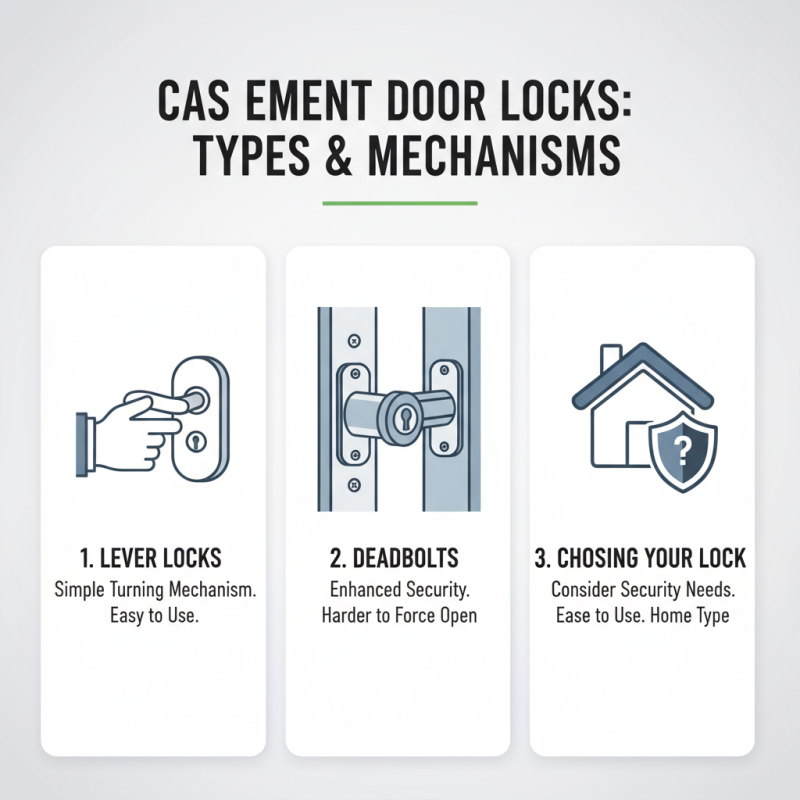
Casement door locks are essential for securing your home. They come in various types, each designed with different mechanisms. Lever locks, for instance, provide a simple turning mechanism. Deadbolts offer enhanced security, making it harder for intruders to gain access. Understanding these options allows homeowners to choose effectively based on their needs.
Experts suggest considering your home's specific vulnerabilities. A report by the Home Security Association states that 30% of break-ins involve forced entry through weak locks. Opting for a heavy-duty lock mechanism can significantly deter potential threats. Always check the locking system's durability and resistance to tampering.
Tip: Ensure compatibility between your door design and the lock you choose. Some designs may require specialized locks, and failing to match these could create security gaps. Periodically assess your door locks for wear and tear. Locks can age and lose effectiveness, so regular checks are crucial for maintaining safety. Understanding the types and mechanisms of casement door locks helps you make informed decisions.
Key Factors to Consider When Selecting a Casement Door Lock Box
Choosing the right casement door lock box can enhance your home security. The first factor to consider is the material. A lock box made of sturdy metal is preferred over plastic. Metal offers better resistance to tampering and wear. Checking the thickness of the metal is also crucial. A thicker gauge means added protection.
Another aspect is the size and design of the lock box. It should fit well on your door without being an eyesore. Some homeowners struggle to find a balance between aesthetics and functionality. Consider the location as well. A lock box in a discreet area can deter thieves. However, accessibility for trusted individuals is important too.
Key features include a weatherproof design and a secure latch. These elements ensure the contents stay safe and dry. Ensure the lock mechanism functions smoothly. An overly complicated lock can frustrate users. Reading reviews can provide insight into the reliability of a particular lock box. Remember, a suitable choice enhances security but may require adjustments later on. Always evaluate your specific needs before making a final decision.
Industry Standards: Security Ratings for Casement Door Locks
When selecting a casement door lock box, understanding security ratings is crucial. These ratings reflect the effectiveness of the locks in protecting your home. The most recognized standards come from reputable organizations that assess lock strength and durability. Higher ratings often indicate better resistance to forced entry.
Security ratings can vary significantly. Some locks might meet basic requirements but lack advanced features. For instance, a lock rated only for residential use may not withstand a determined intruder. Homeowners should pay attention not just to numbers, but to the quality of materials used. Locks made from hardened steel are often more secure than those from softer metals.
Recognizing potential weaknesses is also vital. A lock may have high ratings but be poorly installed. An experienced locksmith can help ensure proper installation. Inadequate installation can render even the best locks ineffective. Regular maintenance is necessary. Check the condition of your casement door lock box periodically to ensure it remains in good working order.
Material Durability and Weather Resistance in Lock Box Selection
When selecting a casement door lock box, material durability is crucial. Opting for high-quality materials guarantees better resistance to wear and tear. Metal options, such as stainless steel, are typically more robust than plastic alternatives. They withstand physical impact well and resist corrosion, particularly in humid climates. However, metal lock boxes can be heavier. This is a factor to consider if you're concerned about ease of installation.
Weather resistance is another vital aspect. Choose lock boxes designed to handle rain, snow, and fluctuating temperatures. Weather-resistant coatings can further enhance longevity. A lock box exposed to harsh elements can rust or degrade over time. Look for models with seals that prevent moisture from entering. This small detail can significantly prolong the life of the lock box.
Evaluate the environment where you live. Urban areas may face different weather conditions compared to coastal regions. Reflecting on local climate challenges can inform your selection. Sometimes, a less expensive option may perform poorly in heavy rains or extreme temperatures, leading to costly repairs. Investing in a durable, weather-resistant lock box pays off in the long run.
Installation Techniques for Optimal Security and Functionality
When installing a casement door lock box, proper techniques are crucial. According to the National Institute of Standards and Technology, nearly 70% of burglaries involve forced entry. This emphasizes the need for secure installations. Begin by ensuring that the lock box aligns perfectly with the door latch. Misalignment can weaken security, making it easier for intruders to exploit vulnerabilities.
The choice of materials is also vital. High-quality steel or reinforced materials can significantly increase resistance to tampering. A study by the Security Industry Association found that doors with sturdy locks are 50% less likely to be breached. It’s essential to use appropriate screws and keep them tight. Loose fixtures can make security features ineffective, creating points of failure.
Consider the placement of your lock box. Positioning it lower can improve accessibility but may compromise security. A higher placement deters tampering but can be inconvenient. Regular inspection is key to maintaining security. Even a well-installed lock box can fail over time. Therefore, ensure you check functionality and alignment periodically. Ultimately, careful installation plays a pivotal role in safeguarding your home.