2026 How to Choose the Right Sliding Door Handle?
Choosing the right sliding door handle can seem daunting. There are various styles, materials, and functions available. A well-selected handle can enhance both aesthetics and usability.
Consider the size and style of your sliding door. The handle should complement the overall design of your space. For example, a sleek, modern handle suits contemporary decor, while a vintage handle adds charm to traditional homes.
Functionality is essential. Look for handles that offer a comfortable grip and easy operation. Some handles provide added security features, which may be crucial for your peace of mind. A good sliding door handle should balance form and function, but finding this balance can be a challenge. Take time to reflect on your needs.
Understanding the Different Types of Sliding Door Handles
Sliding door handles come in various types, each serving specific functions and styles. Understanding these options is essential for homeowners. A recent industry report highlights that nearly 40% of sliding door issues stem from improper handle selection. The right handle ensures durability and ease of use.
There are two primary types of sliding door handles: surface-mounted and mortise. Surface-mounted handles are often easier to install. They sit on the door's face. Mortise handles, while requiring more installation work, often offer better security and aesthetic appeal. Each choice affects the door's functionality. Statistically, about 60% of remodelers prefer mortise handles for this reason.
When selecting a handle, consider the door's material and usage frequency. A heavy glass door requires a different handle than a lightweight vinyl door. Also, the grip plays a key role. Ergonomically designed handles contribute to user satisfaction. Yet, many overlook handle selection, risking frequent replacements. User feedback highlights that 25% of homeowners regret their handle choices after installation.
Key Factors to Consider When Choosing Sliding Door Handles
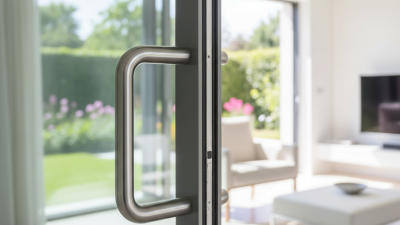
Choosing the right sliding door handle involves several key factors. First, consider the material. Handles come in various materials, such as stainless steel and aluminum. According to industry reports, stainless steel offers better durability and corrosion resistance. This makes it ideal for exterior sliding doors. Aluminum, while lighter, may not withstand harsh weather conditions.
Another critical factor is the design and ergonomics of the handle. The handle should be comfortable to grip and easy to operate. Research indicates that a well-designed handle can improve user satisfaction significantly. Look for handles that have an ergonomic shape and smooth finish. Pain-free usability enhances accessibility, especially for those with limited hand strength.
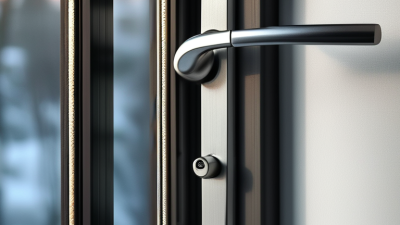
Security features also matter. Some sliding door handles include integrated locking mechanisms. These features can deter burglaries and enhance safety. Studies show that homes with sturdy locks reduce break-in attempts by over 30%. Reflect on what security level is necessary for your home or business. Balancing aesthetics with functionality is vital. A visually appealing handle should not compromise practicality. By focusing on these aspects, you can choose the perfect sliding door handle suited to your needs.
Materials and Durability: What to Look For
Choosing the right sliding door handle is essential for functionality and aesthetics. The material of the handle significantly affects its durability and performance. Common materials include stainless steel, aluminum, and plastic. Stainless steel offers strength and resistance to corrosion, making it ideal for outdoor use. However, aluminum can be lightweight and more economical, though it may not withstand wear as well as stainless steel.
A report by the American Architectural Manufacturers Association highlights that over 60% of homeowners prioritize durability when selecting door hardware. Durability ratings should be considered when making a choice. For instance, handles exposed to harsh weather should ideally be made of higher-grade materials. It's concerning that many products available do not disclose their materials or durability ratings, leaving customers unsure of their choices.
Moreover, aesthetics also matter. Comfort and ease of use should go hand in hand with style. Handles should feel good in hand and complement the overall design of the sliding door. Skimping on comfort might lead to dissatisfaction over time. Industry standards suggest that ease of grip and smooth operation enhance user experience, yet many overlook this aspect. Checking user reviews and wear reports is crucial for informed decisions.
Aesthetic Styles of Sliding Door Handles
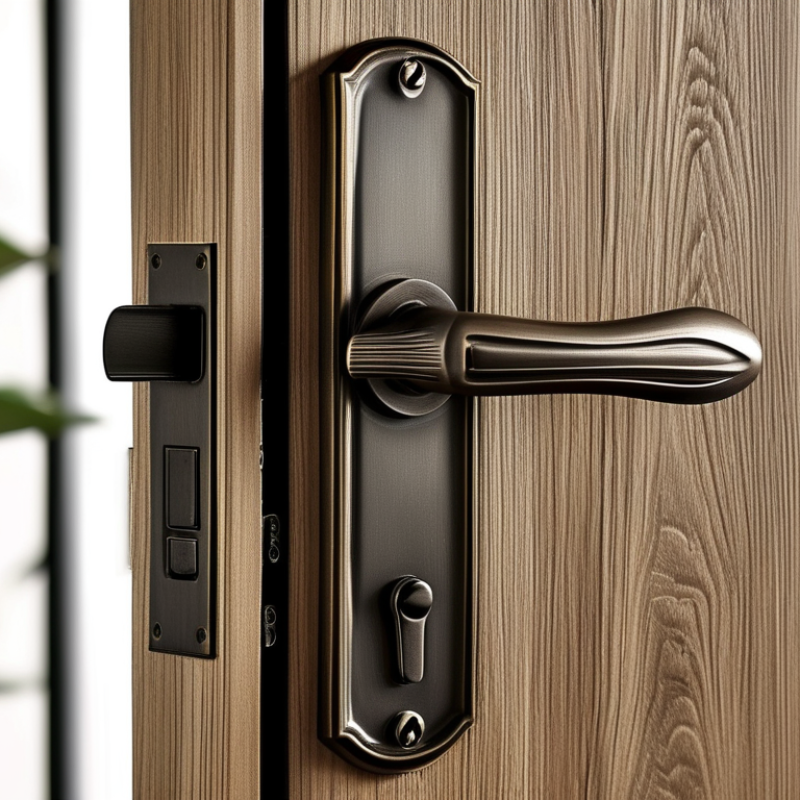
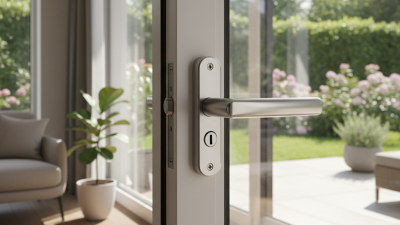
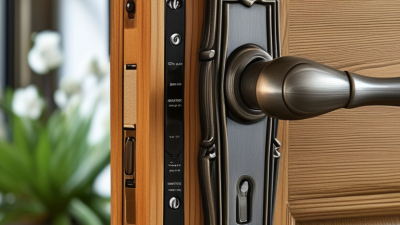
When selecting a sliding door handle, aesthetic style plays a crucial role. Handles not only facilitate operation but also contribute to the overall look of your space. Various styles can match different interior themes, from modern to rustic. For sleek, contemporary designs, opt for minimalistic handles made from brushed stainless steel. They lend a clean, elegant feel to any room. Alternatively, if you favor a vintage look, consider ornate brass handles. Their intricate designs can add character and warmth.
Tip: Assess your interior design before choosing a handle. This ensures the handle complements existing decor and fits with personal tastes.
Another aspect to consider is the finish of the handle. A matte finish creates a subtle appearance, while glossy finishes catch the eye. Black handles can provide a bold statement, especially against lighter door surfaces.
Tip: Remember to measure the door thickness before purchasing. An ill-fitting handle can be both frustrating and unappealing.
Some handles might pose operational challenges over time. Look for durable options that reduce wear and tear. In the long run, a reliable handle saves you hassle and enhances functionality. Choose wisely, as the right sliding door handle unifies style and utility seamlessly.
2026 How to Choose the Right Sliding Door Handle? - Aesthetic Styles of Sliding Door Handles
| Style |
Material |
Finish |
Ergonomics |
Price Range |
| Modern |
Stainless Steel |
Brushed Nickel |
Comfort Grip |
$30 - $50 |
| Traditional |
Brass |
Polished Brass |
Standard Grip |
$40 - $70 |
| Rustic |
Iron |
Antique Black |
Textured Grip |
$25 - $45 |
| Contemporary |
Aluminum |
Satin Finish |
Ergonomic Design |
$35 - $60 |
| Minimalist |
Zinc Alloy |
Matte Black |
Slim Grip |
$20 - $40 |
Installation Tips for Your Chosen Sliding Door Handle
Choosing the right sliding door handle is essential for functionality and aesthetics. Once you've made your selection, installation is key. Start by reviewing the handle’s instructions thoroughly. You might find that some steps are not as clear as you'd like. Don’t hesitate to research online tutorials for visual guidance; they can be invaluable.
Before you begin, gather all necessary tools. A screwdriver, measuring tape, and level ensure a precise installation. When measuring, take extra care to double-check your dimensions. Many people overlook this step, resulting in misaligned handles. Ensure the handle height is comfortable for use. This consideration is often debated—height preferences vary widely.
During installation, remember to pre-drill holes to avoid splintering. If you're dealing with older doors, the material may not be as reliable. Be prepared for unexpected issues like warped frames. If the handle feels loose after installation, it may need adjustments. You might find yourself needing to redo certain steps. Don't rush; a careful installation pays off in the long run.