How to Choose the Right Sliding Door Handle for Your Home?
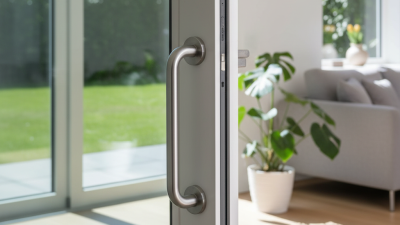
Choosing the right sliding door handle can significantly impact your home's aesthetic and functionality. According to Mark Thompson, a sliding door handle expert at Home Hardware, "A well-chosen handle not only enhances the door but improves the overall usability.” This quote encapsulates the importance of considering style, material, and ergonomics in your selection process.
When picking a sliding door handle, think about your home’s décor. A modern handle may clash with a rustic door. Likewise, consider the material; stainless steel may endure wear better than plastic. Each option has its own appeal and drawbacks. You may need to test how each handle feels in your hand.
Also, don’t overlook the installation process. Some handles require tools you might not have. Others may not fit without adjustments. Evaluating your experience with DIY tasks is essential. Balancing style with practicality is crucial. A sliding door handle should fit seamlessly into your lifestyle and environment.
Understanding the Types of Sliding Door Handles Available
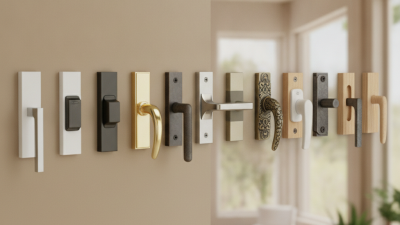
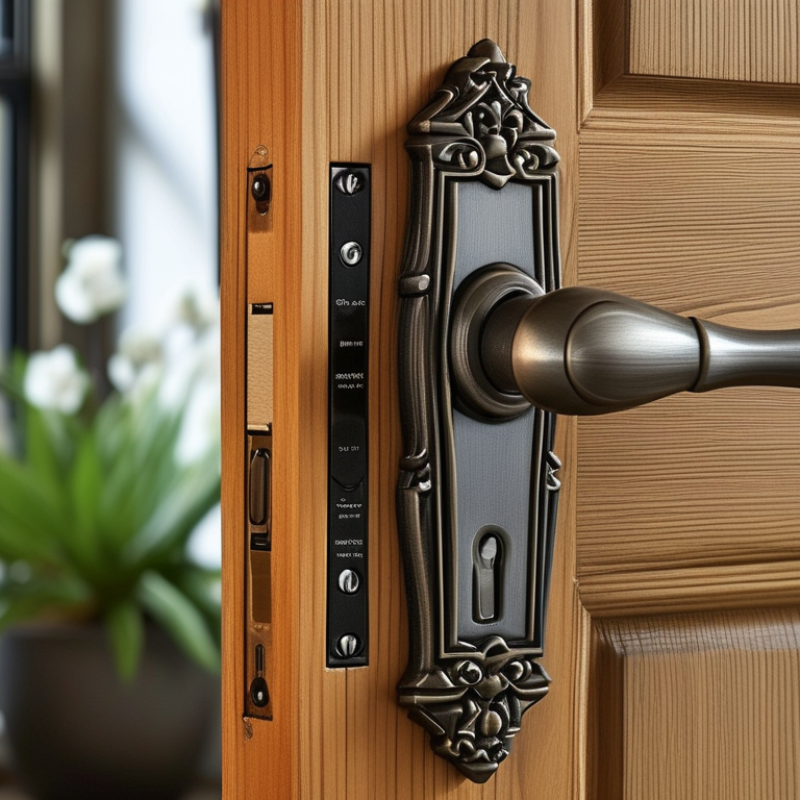
When choosing a sliding door handle, understanding the types available is crucial. Traditionally, handles can be categorized into two main types: *interior handles* and *exterior handles*. Interior handles, often found in closets, come in simple designs, focusing on functionality. Conversely, exterior handles are designed for durability and security, suited for outdoor settings. According to industry reports, about 40% of homeowners prefer contemporary styles, favoring sleek designs over traditional ones.
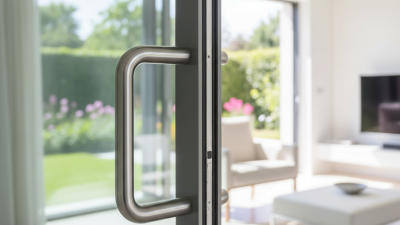
Another notable type includes *flush handles*, commonly used in sliding patio doors. These handles provide a minimalist look while allowing smooth operation. They sit within the door frame, preventing protrusion, which aids in tight spaces. However, some users report difficulties with accessibility. There's a growing trend toward *smart handles*, integrating technology for added convenience. In fact, a recent survey indicated that nearly 25% of consumers are interested in smart home features, including sliding door hardware.
When selecting a handle, consider material choices, such as stainless steel or aluminum, which offer varying degrees of resistance to corrosion and wear. Many homeowners overlook maintenance needs associated with different materials, leading to unforeseen replacements. Understanding these options impacts longevity and aesthetics of your door systems.
How to Choose the Right Sliding Door Handle for Your Home? - Understanding the Types of Sliding Door Handles Available
| Handle Type |
Material |
Style |
Best For |
| Standard Sliding Handle |
Aluminum |
Minimalist |
Casual homes |
| Pull Handle |
Stainless Steel |
Contemporary |
Modern designs |
| Locking Handle |
Brass |
Classic |
Security-focused homes |
| Sliding Door Handle Set |
Plastic |
Functional |
Budget-conscious buyers |
| Lever Handle |
Aluminum / Stainless Steel |
Elegant |
Stylish homes |
Key Factors to Consider When Choosing a Sliding Door Handle
Choosing the right sliding door handle can transform your home's aesthetics and functionality. When selecting a handle, consider several key factors.
First, assess the material. Handles can be metal, plastic, or wood. Metal options often offer durability. Plastic might be lighter but can wear quickly. Wood provides warmth and style but requires more maintenance. Think about your sliding door's style, too. A sleek handle may complement modern designs, while a vintage-style handle can enhance traditional aesthetics.
Size matters. The handle must fit comfortably in your hand. Too large, and it could be awkward. Too small, and it may lack appeal. Measure carefully to ensure a good fit. Installation is another consideration. Some handles require tools and skills. Others are user-friendly and easy to install.
Tips: Test handles in-store. Feel the grip, and check the mechanism. Also, look for finishes resistant to rust and wear. A reliable finish is crucial for longevity. Choosing the wrong handle can lead to frustration, especially if it doesn't match your door's function. Reflecting on your choices is essential. Each detail adds to your home's overall atmosphere.
Material Options for Sliding Door Handles: Pros and Cons
When selecting a sliding door handle,
the material choice is crucial. Various materials offer different advantages and drawbacks.
Stainless steel, for example, is popular due to its durability and sleek appearance.
It resists rust and corrosion, making it ideal for areas with moisture, such as patio doors.
However, stainless steel can be pricier compared to other options, which may not suit every budget.
Wooden handles provide a warm, natural look.
They can complement traditional home styles well. However, they may require more maintenance to prevent warping or cracking.
Over time, wood can also be less durable than metal, especially in high-traffic areas.
This can lead to the need for replacements sooner than expected.
Plastic and composite handles are lightweight and affordable.
They come in various colors and designs, making them flexible for home decor.
Yet, these materials may not hold up as well over time.
They can fade in sunlight and become brittle in cold weather.
Reflecting on the choices, it's clear that weighing these pros and cons helps in finding the right fit for your home.
Aesthetic Considerations: Matching Handles with Your Home Decor
Choosing the right sliding door handle can greatly enhance your home's aesthetic appeal. When selecting a handle, consider how it complements your overall decor. A handle should not just be functional; it should also blend seamlessly with your interior and exterior styles. Whether you have a modern or rustic theme, the handle choice matters.
Tip: Look at existing hardware in your home. Matching finishes can create a cohesive look. For instance, if your doorknobs are brushed nickel, opt for a sliding door handle in a similar tone. This connection can elevate the entire space.
Color also plays a role. A bold handle can act as a statement piece, but it can clash with neutral decor. Conversely, a muted handle can enhance a vibrant space without overwhelming it. Reflect on how colors interact in your home.
Tip: Consider the size of the handle. A too-small handle can look insignificant, while an oversized one may overpower the door. Finding that balance is key. Think about proportion and scale to achieve harmony in your design.
Installation Tips for Your New Sliding Door Handle
When installing a sliding door handle, consider the weight and size of your door. A heavier door needs a handle that can bear its weight. According to a recent industry report, 57% of homeowners face handle-related issues due to poor installation. This highlights the importance of getting it right the first time.
Start by gathering necessary tools: a screwdriver, measuring tape, and level. Accurate measurements ensure that the handle aligns perfectly with the door frame. Drill pilot holes at the marked spots for mounting screws; this reduces wood splitting and damage. Notably, it’s essential to double-check your measurements. A small error can lead to misalignment and functionality problems later.
Always test the handle after installation. Ensure it operates smoothly without any friction. A common oversight is neglecting to check the final alignment. This small detail can significantly impact daily use. Maintain a consistent level of care in the installation process; rushing may result in a subpar outcome.