Leave Your Message
AI Helps Write

Top Casement Door Lock Box Buying Guide for Global Buyers

Buying a Casement Door Lock Box for global projects requires more than comparing prices. The right box must fit the door profile, locking mechanism, and installation conditions. Small differences matter. A few millimeters can affect alignment, security, and smooth operation.

Fenestration hardware consultant Elena Brooks explains, “A lock box is reliable only when the door, cylinder, and installation method work together.” Her observation reflects a common purchasing mistake. Buyers often select a box from a product photograph, without checking measurements or compatibility charts. That approach can create delays, returns, and difficult site modifications.

This guide examines the details that influence a dependable purchase. It considers steel grade, corrosion resistance, latch geometry, screw positioning, cylinder compatibility, and tested operating cycles. Coastal projects may require stronger protective finishes. High-use buildings may need reinforced internal components. Export buyers should also review packaging quality, product traceability, technical drawings, and supplier communication.

Look closely.

A good Casement Door Lock Box should arrive with clear dimensions and practical installation information. It should match the intended door system, not merely resemble it. Supplier experience also matters, especially when specifications vary between regions. Certifications can support confidence, but they should be checked carefully and matched to the actual product model.

There is no perfect selection formula. Even experienced buyers sometimes overlook hinge clearance or frame thickness. That is why this guide encourages measured comparison, sample testing, and honest review of installation risks. A lower purchase price may seem attractive. However, inconsistent fit can cost far more after shipment.

Top Casement Door Lock Box Buying Guide for Global Buyers

What Is a Casement Door Lock Box?

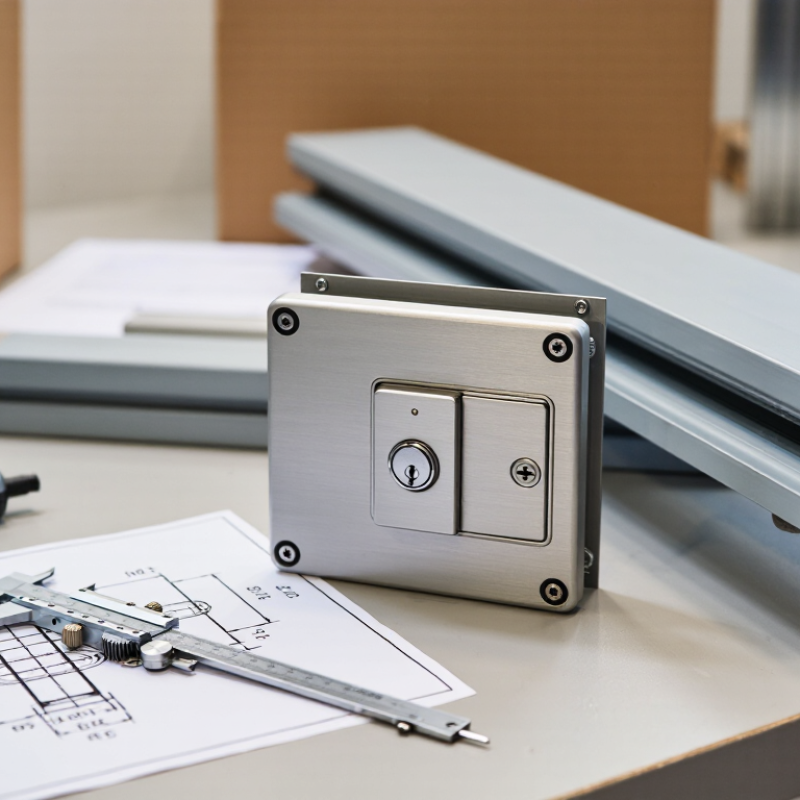
A casement door lock box is a protective metal housing that contains and supports the door’s locking mechanism. It is usually fitted near the door edge, where the handle, spindle, latch, or multipoint components connect. The box keeps these parts aligned and reduces damage from daily pressure, vibration, and forced impact. It is not the complete lock. Think of it as the lock’s working enclosure.

In practical installation, the lock box must match the door’s material, thickness, opening direction, and hardware layout. A technician normally checks the backset, faceplate length, fixing-hole positions, and spindle height before ordering. Small errors matter. A few millimetres can prevent smooth locking. Steel boxes often provide strong support, while stainless steel may suit damp coastal environments. Surface protection also deserves attention, especially on frequently handled doors.

Global buyers should request clear drawings, material details, corrosion-test information, and sample measurements. Packaging should protect the faceplate and moving parts from scratches. I have seen buyers focus on appearance and overlook the internal clearance. That decision can create binding after installation. It is also wise to test the box with the actual cylinder, handle, and strike plate, rather than checking the box alone. Some designs look compatible but leave insufficient space for adjustment. Reliability depends on the whole door assembly, not one attractive component.

Top Casement Door Lock Box Buying Guide for Global Buyers - What Is a Casement Door Lock Box?
Data Dimension Typical Specification or Fact Why It Matters When Buying Recommended Buyer Check
Product Definition A casement door lock box is the recessed metal case installed inside the door edge. It houses the lock mechanism, latch bolt, deadbolt, follower, and related springs. The lock box is the functional body of the door lock, while the visible handles, escutcheons, and strike plates are separate components. Confirm whether the quotation includes only the lock box or a complete lockset.
Common Door Application Usually used on hinged casement doors that open inward or outward from side-mounted hinges. Casement doors require a lock case and strike arrangement that match the door's opening direction and edge preparation. Check door type, hinge side, opening direction, and whether the door is single-leaf or double-leaf.
Lock Case Backset Common residential backsets include approximately 45 mm, 50 mm, 55 mm, and 60 mm, depending on the market and door system. Backset is the distance from the door edge to the centerline of the spindle or cylinder. An incorrect size can prevent proper handle and cylinder alignment. Measure from the finished door edge to the center of the handle spindle or cylinder opening.
Case Depth Often approximately 60–100 mm, depending on the backset, lock functions, and internal mechanism. The case must fit inside the prepared mortise without weakening the door or interfering with internal reinforcement. Compare the lock case depth and height with the existing mortise dimensions.
Faceplate Length Common faceplate lengths are roughly 150–240 mm for many residential mortise lock applications. The faceplate covers the lock-case cutout and must align with the door edge and existing screw holes. Measure the current faceplate length, width, screw-hole spacing, and corner shape.
Faceplate Width Typical faceplate widths are approximately 18–24 mm, although narrow and specialty profiles also exist. A faceplate that is too wide or too narrow may not cover the mortise correctly or may conflict with weather seals. Match the faceplate width to the door edge preparation and available clearance.
Latch Bolt A spring-loaded beveled latch bolt holds the closed door in the strike plate and retracts through the handle or lever. The bevel and projection affect closing force, door alignment, and compatibility with the strike plate. Check latch projection, bevel direction, follower size, and whether the latch is reversible.
Deadbolt Function Some lock boxes include a separate deadbolt operated by a key, thumb turn, or cylinder. A deadbolt can provide an additional locking point, but it requires matching cylinder, strike, and door clearances. Specify latch-only, deadbolt-only, or combined latch-and-deadbolt operation.
Cylinder Compatibility Lock boxes may be designed for profile cylinders, oval cylinders, rim cylinders, tubular cylinders, or non-cylinder mechanisms. The cylinder format determines the required door cutout and affects replacement, keying, and security options. Confirm cylinder type, cylinder length, cam position, and door thickness range.
Door Thickness Many residential casement doors are approximately 35–50 mm thick, while thicker commercial and specialty doors are also available. Handle screws, spindle length, cylinder length, and lock-case position all depend on the door thickness. Measure the finished door thickness, including decorative panels or cladding where applicable.
Spindle Size Square spindle sizes commonly include 7 mm, 8 mm, and 10 mm, depending on regional hardware practice. The spindle transfers handle rotation to the latch follower. A mismatch can cause loose operation or prevent the latch from retracting. Match the lock follower opening with the handle spindle size before ordering.
Material Options Common lock-case materials include stamped or formed steel, stainless steel, zinc alloy components, and engineered polymer parts for selected internal elements. Material influences corrosion resistance, strength, weight, operating life, and suitability for indoor or outdoor exposure. Request the material specification for the case, faceplate, latch, deadbolt, and springs separately.
Surface Finish Typical finishes include polished stainless steel, satin stainless steel, plated steel, painted steel, and protective coated finishes. The finish affects appearance and resistance to humidity, handling, and surface corrosion. For coastal or humid locations, request corrosion-resistant materials or a tested protective finish.
Security Configuration Available configurations range from latch-only models to multi-point systems with several locking points along the door edge. Higher security configurations may improve resistance to forced entry but usually require more precise installation and compatible keeps. Define the number of locking points, cylinder security level, anti-drill features, and intended risk environment.
Fire-Door Suitability A lock box should not be assumed to be suitable for a fire door unless the complete door hardware assembly has the required test evidence and approvals. Fire performance depends on the complete door, frame, seals, hardware, installation method, and tested configuration. Request applicable fire-test documentation for the exact lock, door, frame, and installation combination.
Weather Exposure Outdoor casement doors need protection against moisture, condensation, temperature changes, and airborne contaminants. Moisture can cause corrosion, stiff operation, spring deterioration, and cylinder failure. Check corrosion-test information, drainage provisions, protective coating, and suitability for the installation climate.
Installation Method Most mortise lock boxes are installed by routing or chiseling a cavity into the door edge and securing the faceplate with screws. Accurate mortise dimensions and correct alignment are essential for smooth operation and reliable locking. Obtain the installation drawing, mortise template, screw specifications, and required tool list.
Strike or Keep Compatibility The strike plate or keep must align with the latch and deadbolt and provide sufficient engagement depth. A correctly fitted lock box can still operate poorly if the strike is misaligned, too shallow, or unsuitable for the bolt shape. Check strike dimensions, bolt-hole position, fixing method, and adjustment range.
Opening Direction Some lock boxes are handed for left- or right-opening doors; others use a reversible latch or symmetrical design. Incorrect handing can make the latch bevel face the wrong direction or prevent proper door closing. Confirm handing from the hinge side and verify whether the latch can be reversed during installation.
Operating Temperature Mechanical lock boxes generally require smooth operation across the temperature range expected at the installation site; exact limits depend on materials and design. Temperature changes can affect clearances, lubricants, seals, and door alignment. Request the manufacturer’s operating-temperature range for unusually hot, cold, or exposed locations.
Quality Verification Useful quality checks include dimensional inspection, cycle testing, corrosion testing, latch-force testing, and inspection of locking components. Testing helps confirm consistency between production batches and suitability for the intended door system. Request inspection records, test methods, sampling rules, and pre-shipment quality-control requirements.
Packaging Requirements Protective packaging should prevent faceplate scratching, component movement, moisture exposure, and loss of small fixing parts. Lock boxes can be damaged or become incomplete during international transport if not individually protected. Specify individual boxes, moisture protection, spare parts labeling, carton markings, and export packing requirements.
Key Buying Measurements The essential measurements are backset, case depth, case height, faceplate size, door thickness, spindle size, cylinder position, and screw-hole spacing. These dimensions determine whether the new lock box can replace or fit the existing hardware without major door modification. Prepare a dimensioned drawing or clear measurement sheet before requesting quotations.

How Casement Door Lock Boxes Work

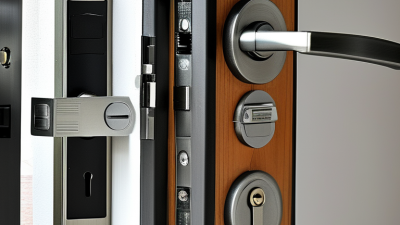
A casement door lock box is the metal case inside the door edge. It connects the handle spindle to a latch, deadbolt, or locking hooks. When the handle turns, the spindle moves a gearbox inside the case. That gearbox changes rotation into straight movement. The latch retracts, while extra bolts may slide upward and downward. When closed, the frame keeps these parts aligned. Small alignment errors matter.

For global buyers, checking the operating sequence is more useful than judging appearance. With the door open, turn the handle slowly and watch each locking point move. The latch should retract fully before the handle reaches its end position. If it scrapes, the door may be sagging, or the lock box may not match the profile. A practical test uses a paper strip around the seal. It should resist lightly when the door closes, not tear or fold sharply. This simple check is often missed.

Lock boxes differ in backset, faceplate length, spindle height, and screw spacing. Measure the existing case, not only the door thickness. Compare every dimension with the technical drawing and required performance documents. Corrosion-resistant steel suits humid shipping routes, but coating quality still needs inspection. Avoid forcing the handle; pressure can hide a weak alignment problem. Even experienced installers occasionally measure from the wrong edge. That is an ordinary mistake, and it deserves a second check.

Key Features to Compare Before Buying

Top Casement Door Lock Box Buying Guide for Global Buyers

Key Features to Compare Before Buying

Start with the lock box material and wall thickness. Stainless steel resists moisture, while coated steel may suit drier locations. Check the coating carefully. A bright finish can hide weak surface preparation. Look for even coverage, clean edges, and protection around screw holes.

Measure the door profile before comparing prices. The lock box must fit the sash depth, handle position, and available fixing space. Even a few millimeters can cause rubbing or poor engagement. Compare the latch movement, bolt length, and strike plate alignment. Smooth operation matters more than a heavy appearance. Test the mechanism repeatedly with the door both open and closed.

Check resistance to corrosion, impact, and repeated use. Ask for test information, material specifications, and inspection records. Reliable suppliers should explain how samples were tested, not only provide attractive photographs. Consider installation conditions across different regions, including salt air, dust, temperature changes, and high humidity. A compact box may simplify shipping, but thin metal can reduce durability. That trade-off deserves attention. Confirm compatible screws, replacement parts, and maintenance guidance before ordering. Some buyers overlook packaging, then receive bent plates or scratched surfaces. Secure internal packing is a practical quality feature. Local installers should also review applicable building and security requirements, because product suitability can vary by project.

Top Casement Door Lock Box Buying Guide for Global Buyers

Key dimensional features to compare before buying

Typical casement lock box specifications commonly vary by door profile and market. Compare the backset, faceplate width, case depth, and spindle size with the existing door preparation before ordering. Always verify the final dimensions with the supplier’s technical drawing and applicable local standards.

How to Select the Right Lock Box for Global Markets

Top Casement Door Lock Box Buying Guide for Global Buyers

Selecting a lock box for global markets requires more than checking its price. Start with the door profile, material, handing, backset, and available installation space. Fit matters. A small dimensional error can cause misalignment, scraping, or poor latch engagement.

Choose corrosion-resistant steel or treated alloys for humid coastal regions. For dry indoor projects, a standard protective finish may be enough. Check coating thickness, salt-spray results, screw quality, and moving-part tolerances. These details affect service life. Field evaluations often show that weak fasteners fail before the lock box itself.

Global buyers should request clear drawings, installation instructions, material declarations, and test records. Confirm compatibility with local door systems and project requirements. Do not assume one configuration suits every market. Regional climate, security expectations, fire-door applications, and installer habits can differ significantly. Verify relevant local standards with a qualified professional.

Packaging also deserves attention. Separate hardware bags, readable labels, and moisture protection reduce installation errors during international shipping. Sample testing is useful, but it cannot replace batch inspection. A sample may perform well while production quality varies. Ask about dimensional checks, torque testing, traceability, and corrective procedures. No checklist is perfect. Recheck the details before placing a large order.

Installation, Maintenance, and Quality Checks

Top Casement Door Lock Box Buying Guide for Global Buyers

A lock box should match the door’s material, thickness, handing, and frame depth. Measure the cutout twice. A few millimeters can create binding or weak engagement. Grand View Research valued the global door hardware market at roughly USD 16 billion in 2023, showing strong demand for reliable replacement components. However, market growth does not guarantee consistent quality. Ask suppliers for dimensional drawings, material certificates, batch records, and test results.

Installation should keep the lock case square and flush. Use the specified screw length, then tighten gradually to avoid distorting thin metal. The latch must enter the strike without scraping. Test the handle and key at least ten times with the door open, then repeat with the door closed. For corrosion resistance, check whether testing follows ASTM B117 or an equivalent standard. EN 12209 may also help evaluate mechanical lock performance, but its scope must match the product. Field conditions are often harsher than factory tests.

Tips: Apply a dry lubricant, not heavy oil. Inspect screws every six months. Remove dust from the strike opening. Record cycle counts in commercial projects. Salt air needs closer inspections. One overlooked issue is drainage. Water trapped inside the box can defeat good plating. A perfect installation is unlikely; careful rechecking still prevents expensive callbacks.