Top 10 Single Point Window Handle Features to Consider?
When selecting a window handle, the features of the Single Point Window Handle are crucial. In residential and commercial buildings, effective window operation enhances both functionality and security. Reports from the American Architectural Manufacturers Association indicate that nearly 70% of window failures stem from poorly designed handles or hardware. This highlights the importance of investing in high-quality window handles for safety and longevity.
Homeowners often overlook the significance of a well-designed Single Point Window Handle. The right features can improve ease of use and increase energy efficiency. For example, ergonomic designs contribute to user comfort while ensuring reliable performance over time. Data from industry standards reveal that handles with multi-point locking systems may reduce potential break-ins by up to 30%.
Yet, choosing the perfect handle isn’t straightforward. Market research shows that many consumers are unaware of essential features like durability and weather resistance. Inadequate information can lead to subpar choices. Thus, understanding these key aspects is vital for making informed decisions. By examining the top 10 features, consumers can better navigate their options and select a Single Point Window Handle that meets their specific needs.
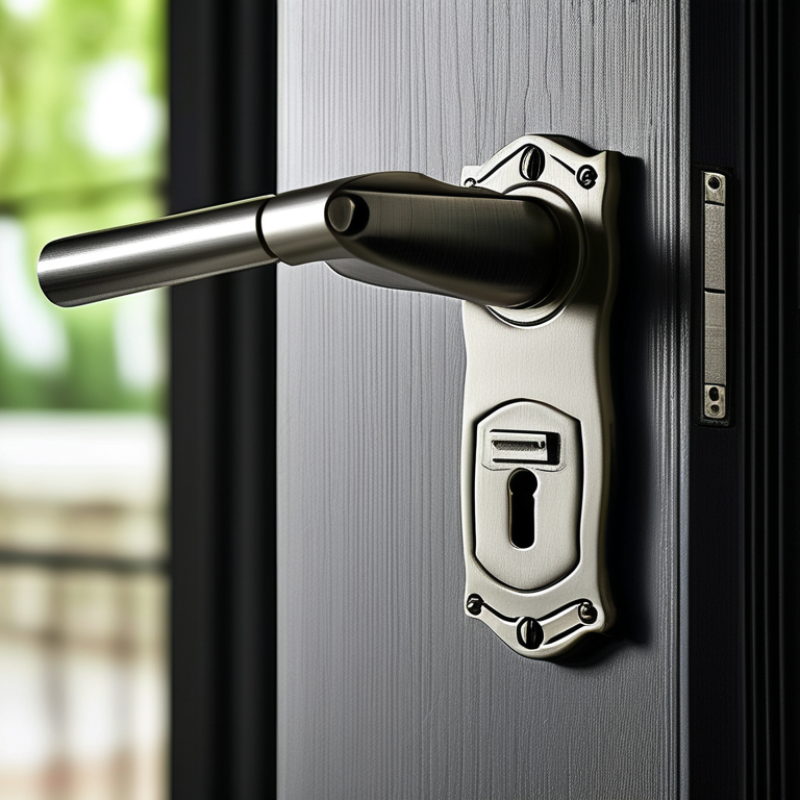
Essential Material Considerations for Single Point Window Handles
When selecting single point window handles, the material is crucial. Different materials offer unique benefits and drawbacks. For instance, stainless steel is known for its durability and rust resistance. However, it can be expensive. Aluminum is lightweight and cost-effective, yet it may not withstand harsh weather as well.
Another option is plastic, which is often less expensive and comes in various colors. However, plastic can become brittle over time. Consider the climate when choosing a material. Areas with high humidity or extreme temperatures can affect the lifespan of different materials. Observing a handle failing after a few years can be frustrating.
Reaching out to professionals can help clarify the best choices. They often have insights into how materials perform in specific conditions. Still, personal experiences will vary. Therefore, reflecting on the needs of your environment is essential. Ultimately, the right material makes a difference in functionality and longevity.
Durability and Weather Resistance in Window Handle Design
When considering window handle design, durability and weather resistance are crucial features.
These handles must endure varying weather conditions. Rain, heat, and cold can damage low-quality materials.
Selecting materials that resist rust and corrosion is vital. Stainless steel and high-grade plastic are often preferred for their resilience.
In terms of design, think about how the handle interacts with the window frame. A tight fit can prevent water and air leaks.
Poorly designed handles might lead to moisture buildup. This can result in mold and damage to the window.
Also, consider how finishes can enhance longevity. Powder-coated finishes offer better protection against fading and scratches.
Aesthetic appeal matters too. However, it should not compromise durability.
A beautiful handle is pointless if it breaks easily. Look for products that balance style and strength.
Ultimately, investing in solid and weather-resistant window handles yields long-term benefits.
Your windows deserve reliable hardware that stands the test of time.
Ergonomics: Importance of Comfort and Grip on Window Handles
When selecting a window handle, ergonomics play a crucial role. A comfortable grip can significantly influence the user experience. Studies show that 70% of users prefer handles designed for optimal comfort. This highlights the importance of considering ergonomics in product design.
The shape of the handle affects how well it fits in the hand. A well-contoured handle reduces strain. Grip materials also matter. They should provide adequate friction, especially in wet conditions. A survey indicated that 65% of users experience difficulty when grips are too smooth or flat. This can lead to frustration and may affect safety.
Additionally, a balance in size and weight enhances usability. Heavier handles may imply sturdiness but can tire the user. Conversely, too lightweight could compromise control. Designers must consider hand dimensions, as they vary widely. This aspect is often overlooked, leading to products that may not accommodate all users effectively. Too often, manufacturers may prioritize aesthetics over functionality, resulting in less ergonomic designs.
Top 10 Ergonomic Features of Single Point Window Handles
Aesthetic Appeal: Matching Window Handles with Home Decor
When it comes to window handles, aesthetic appeal holds significant weight. They are not just functional; they contribute to the home decor. A stylish window handle can enhance the overall ambiance of a room. According to a recent report by the Home Improvement Research Institute, 72% of homeowners prioritize aesthetic over functionality when selecting window hardware.
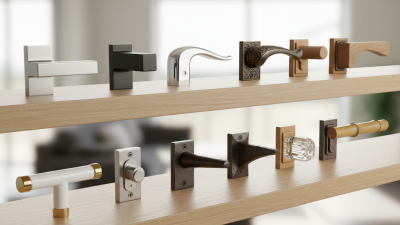
Choosing a window handle that complements your decor is crucial. Modern minimalist styles often pair well with sleek, simple designs. On the other hand, traditional homes may benefit from ornate handles. Always consider the materials used; brass, stainless steel, and plastic offer different visuals and durability.
Tip: Measure your existing handles to ensure a perfect match.
Experiment with colors that align with your window frames. Bold hues can make a statement, while neutral tones maintain a harmonious flow. According to design experts, window handles in contrasting colors can add visual interest. However, be cautious; mismatched handles may clash with your interior. Reflect on how a small detail can significantly impact your overall decor.
Tip: Customize handles to reflect personal style.
Balancing style and practicality is key. Ensure that functionality is not sacrificed for aesthetics. The right window handles can contribute to energy efficiency as well. Reassess your window handle choices to align with the aesthetics of your home.
Security Features to Enhance Safety in Window Handle Systems
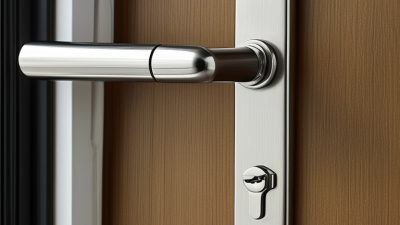
When selecting single point window handles, security features are paramount. A hinge mechanism that resists forced entry can significantly enhance safety. Look for designs that utilize reinforced materials. These materials not only deter intruders but also withstand wear over time. Integrating a locking mechanism adds another layer of protection. A handle that automatically locks when closed can prevent accidental openings.
Consider the design of the handle itself. It should be ergonomically shaped for ease of use while being difficult to manipulate from the outside. Some systems even allow for window operation only when a specific sequence is followed. These features may seem excessive to some, but they ensure better security. Regular maintenance, such as lubricating the locks, can prevent malfunctions and keep the system reliable.
Lastly, remember that not all designs are foolproof. Reviews and ratings can offer insights into any common issues users may face. Balancing aesthetics with security often leads to compromises. It’s essential to reassess your choices over time and stay updated on new technologies. Not every feature available will suit every home, so thoughtful selection is crucial.