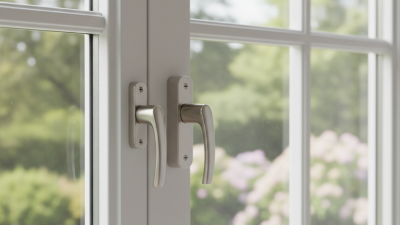
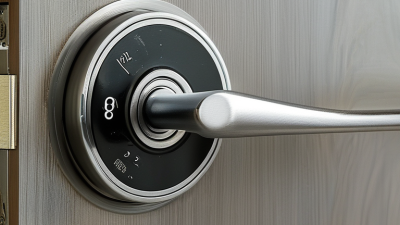
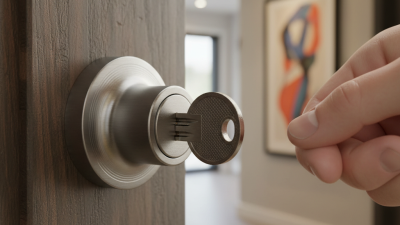
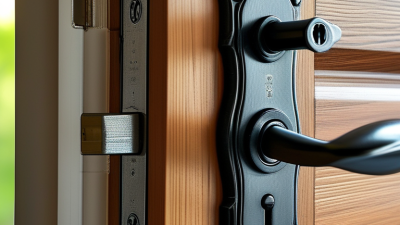
Choosing the right Casement Door Lock Box in 2026 requires more than comparing prices or polished product photos. A casement window opens outward, so the lock box must work with the sash, frame depth, handle position, and available clearance. A small mismatch can create pressure, rattling, or restricted opening. That matters during daily use.
Market forecasts show why this category deserves closer attention. Grand View Research estimated the global smart lock market at approximately USD 2.49 billion in 2023, with strong growth projected through 2030. MarketsandMarkets also predicts continued expansion, although its figures differ because definitions and research methods vary. That difference is worth remembering. Forecasts are useful, not perfect.
This guide evaluates the 2026 Best Casement Door Lock Box options through practical installation and security considerations. It examines material strength, corrosion resistance, cylinder quality, tamper protection, weather sealing, and compatibility with existing hardware. Products should also be checked against relevant regional requirements and recognized standards, such as ANSI/BHMA specifications where applicable. Professional installers often inspect the hinge-side movement before selecting a box. You should too.
Look closely at the details. A stainless-steel body may resist rain, while a weak mounting screw still creates a failure point. A smart access feature may seem convenient, but it can add batteries, software, and maintenance. Simple is sometimes better. This guide combines manufacturer information, industry research, and field-based reasoning to support a careful purchase. No lock box fits every casement door. That is the uncomfortable part.
A casement door lock box is a protective metal housing around the lock body, cylinder, or latch. It fits inside the door edge or over the mounting area. Unlike a key safe, it does not store keys. Its job is simpler: protect locking hardware and keep it aligned.
A well-fitted box can reduce damage from impact, prying pressure, and repeated slamming. It may also shield the mechanism from rain and dust. The FBI Crime Data Explorer recorded more than 800,000 burglary offenses in the United States during 2023. That figure does not prove a lock box prevents entry. It does show why hardware protection deserves attention.
For a 2026 purchase, measure the door thickness, lock case depth, backset, and hinge clearance. Check the metal thickness and screw length. Thin steel can look convincing but deform quickly. Drainage holes matter on exposed doors. So does corrosion resistance.
ANSI/BHMA A156.13 provides useful guidance for mortise lock construction and performance. Still, standards cannot correct poor installation. A box mounted against a warped door may create friction and failed latching. I have seen buyers focus on heavy steel and overlook alignment. That is an easy mistake.
Fit comes first. Security follows.
2026 Best Casement Door Lock Box Buying Guide
How to Identify the Right Lock Box for Your Door
Start with the door, not the product photo. Measure the lock body, backset, faceplate, and box depth. Record the opening direction, frame thickness, and handle clearance. A casement door may need a narrow enclosure because its handle moves close to the frame. The wrong depth can cause rubbing, weak fastening, or a door that will not close fully. I still measure twice. Small errors matter.
The FBI Crime Data Explorer estimated 847,522 burglary offenses in the United States during 2023. That figure supports careful hardware selection, but a lock box cannot replace a complete security plan. Check the box material, corrosion resistance, screw quality, and tamper resistance. For high-use doors, compare cycle ratings tested under ANSI/BHMA standards. A stronger rating usually suits busy entrances better. However, ratings do not prove perfect installation.
Check emergency operation before purchase. NFPA 101 requires exit doors to remain readily openable in relevant occupancies. The box must not trap the handle, narrow the passage, or block emergency release. Test it with the door closed and the latch engaged. Include gloves and poor lighting in your test. It may sound excessive. It is not. Choose a model with clear dimensions, installation instructions, and traceable test documentation. A neat-looking box can still be the wrong box.
When comparing a casement door lock box, start with fit, not appearance. Measure the lock body, door stile, frame clearance, and screw-hole spacing. A box that looks sturdy may still block the handle or restrict the sash. I usually sketch these measurements before ordering. It prevents an expensive return.
Material affects service life. Powder-coated steel offers strong impact resistance, while stainless steel suits damp entrances better. Check the box thickness, hinge strength, latch design, and resistance to forced prying. A concealed fixing system can reduce tampering, but only when the surrounding door material is solid. Thin timber may need reinforcement. Do not ignore it.
Weather protection deserves close attention. Look for a tight lid, drainage paths, and corrosion-resistant fasteners. Dust and rain can reach the lock through tiny gaps. A replaceable seal is useful during long-term maintenance. Also compare key access, emergency release options, and compatibility with your existing cylinder or locking system. Installation instructions should show clear diagrams and required tools. Vague instructions create avoidable errors.
Security ratings can help, but read the testing scope carefully. A rating for the lock may not cover the box or the door frame. Check installation requirements and relevant local building rules before drilling. I once focused too heavily on metal thickness and overlooked handle clearance. That mistake taught me to test the full opening movement, not just the closed position. Consider that before buying.
Measure the existing lock box before ordering a replacement. Remove the handle and faceplate, then record the case height, case depth, faceplate length, and backset. Measure the door thickness at several points. Older timber doors can swell, so one measurement may mislead you.
Check the lock box against the door edge and frame. Confirm the faceplate shape, screw spacing, spindle position, latch direction, and cylinder opening. The follower must align with the handle spindle without force. Also check whether the door is left- or right-handed. ANSI/BHMA A156.2 covers many cylindrical lock designs, while mortise products follow different requirements. A matching standard does not guarantee a matching installation. I have seen near-identical boxes fail because the case was only 3 millimetres deeper.
Tips: Use a steel ruler, not a flexible tape. Photograph the removed hardware beside a ruler. Test the key, handle, and latch before tightening every screw. Leave clearance around the latch. A tight fit can distort the door edge and shorten service life. The U.S. Department of Energy reports that windows and doors can contribute significantly to household heating and cooling losses, with openings commonly accounting for about 25–30% of energy use. A properly aligned lock box also helps the seal compress evenly. Check the weatherstrip afterward. Small gaps matter.
| Measurement or Feature | What to Check | Typical Residential Range | Compatibility Guidance | Pass Indicator |
|---|---|---|---|---|
| Door handing | Viewed from the outside, identify whether the hinges are on the left or right. | Left-hand or right-hand operation | The lock box, latch direction, and handle set must match the door handing. Some multipoint systems use reversible components. | Matches existing hardware |
| Backset | Measure from the door edge to the centerline of the spindle or cylinder opening. | Approximately 35–50 mm (13/8–2 in) | Choose the same backset, or verify that the replacement lock box is adjustable and that the faceplate covers the existing cutout. | Exact or approved adjustable size |
| Faceplate length and width | Measure the visible metal strip on the door edge, including its length and width. | Common lengths are about 180–240 mm; widths often measure 16–24 mm | The new faceplate should cover the old mortise without extending beyond the stile or interfering with weather seals. | Covers old mortise cleanly |
| Lock box depth | Measure the available cavity depth behind the faceplate inside the door stile. | Often about 45–75 mm, depending on door construction | The lock body must fit fully inside the stile without contacting glass, reinforcement, cables, or internal glazing components. | Clearance exceeds body depth |
| Spindle height | Measure vertically from the bottom or top reference edge of the faceplate to the center of the handle spindle. | Varies by lock case; commonly around 85–92 mm from a reference point | A mismatch can prevent the existing handle from engaging the follower correctly and may require a new handle set. | Centers align precisely |
| Cylinder profile and length | Identify the cylinder type and measure from its fixing screw centerline to both ends. | Common total lengths are approximately 60–120 mm | The cylinder profile must match the lock box cutout. Select a length that leaves the exterior and interior ends nearly flush. | Correct profile and balanced length |
| Fixing screw position | Measure the distance between the center of the cylinder screw hole and the handle spindle center. | Often about 70–92 mm, but it is not universal | This dimension must match the lock box and handle set. Do not rely on the overall faceplate length alone. | Screw and spindle centers match |
| Latch projection | Measure how far the latch extends from the faceplate when the door is closed and unlocked. | Commonly about 10–20 mm | The latch must enter the frame keep without bottoming out or rubbing against the strike opening. | Smooth latch engagement |
| Handle follower shape | Check whether the lock box uses a square spindle follower and record the spindle size. | Common square spindles include 7 mm and 8 mm | The spindle must fit the follower with minimal play while allowing the handle to return freely. | Correct size and free rotation |
| Frame keep alignment | Close the door slowly and observe whether the latch and any hooks or bolts line up with the frame keeps. | No binding; consistent clearance around moving parts | A compatible lock box cannot compensate for a twisted frame, sagging sash, or incorrectly positioned keeps. | Locks without force |
| Door stile material | Identify whether the stile is timber, uPVC, aluminum, composite, or reinforced construction. | Material and internal reinforcement vary by door system | Confirm that the lock box is rated or designed for the material and that screws will reach solid reinforcement. | Suitable fixing depth |
| Security function | Determine whether the door needs a latch-only case, deadbolt case, hook-bolt case, or multipoint locking function. | Function depends on door design and security requirements | Replacing a multipoint mechanism with a single latch case may reduce security and leave unused cutouts. | Same locking function |
| Fastener compatibility | Check screw diameter, length, thread type, and whether existing holes are worn or enlarged. | Fasteners vary by door material and lock construction | Use corrosion-resistant screws of suitable length; avoid screws that penetrate glass or damage internal components. | Secure, undamaged fixings |
| Weather exposure | Check whether the lock is exposed to rain, condensation, salt air, or frequent temperature changes. | Indoor, sheltered outdoor, or fully exposed installation | Select corrosion-resistant components and maintain drainage and weather seals; avoid blocking weep paths. | No binding or corrosion risk |
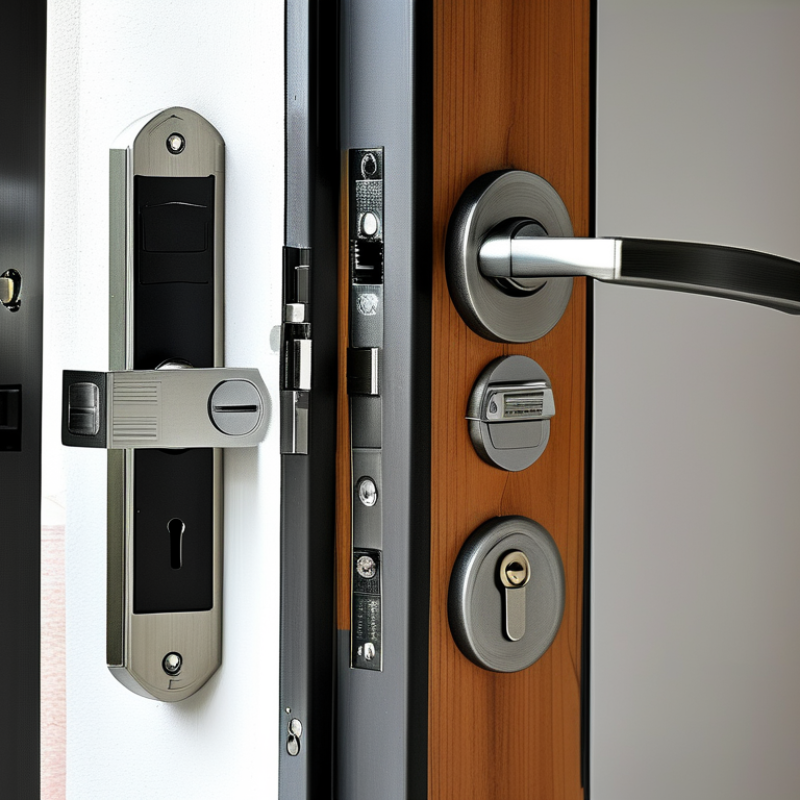
Choosing the best casement door lock box starts with measured security, not appearance.
The FBI’s 2023 Crime Data Explorer recorded more than 800,000 burglary offenses in the United States. A weak enclosure can still leave the locking point exposed.
Check the box material, wall thickness, hinge protection, and fastening method. Powder-coated steel usually handles daily contact better than thin painted sheet metal. Look for compatibility with your casement profile, handle position, and latch throw. The ANSI/BHMA A156.2 standard provides useful guidance for lock strength and operational testing, although not every lock box carries a formal certification. That detail matters.
During installation, I measure the clearance with the window fully closed. A box that rubs against the frame may prevent complete engagement, reducing real security. The fasteners should anchor into solid framing, not only trim. Rounded edges, concealed screws, and drainage openings can improve durability, especially near kitchens or coastal rooms. The National Association of Home Builders’ 2024 Cost of Construction report also shows why replacement labor deserves attention: access and installation complexity can quickly increase project costs.
Do not equate heavier with better. I once preferred a thicker enclosure, but its poor alignment created more trouble than protection.
Compare the purchase price, installation time, corrosion resistance, and replacement access.
A practical lock box should protect the latch, operate smoothly, and remain serviceable years later. Verify those points before buying.