How to Choose the Best Window Lock for Your Home Security?
When it comes to home security, the importance of a reliable window lock cannot be overstated. According to the Bureau of Justice Statistics, nearly 30% of burglaries involved entry through a window. This statistic highlights the critical need for effective locking mechanisms. A good window lock serves as a deterrent, safeguarding your home and belongings from unwanted intruders.
The market for window locks has evolved significantly over the years. Reports indicate that high-quality locks can reduce the likelihood of break-ins by up to 50%. Considering the various types available, homeowners may feel overwhelmed by choices. It’s essential to balance security features with ease of use. Not all locks are foolproof, and some may have vulnerabilities that can be exploited. Assessing these factors can make a substantial difference in your home’s security.
Selecting the right window lock is not solely about technology. It's about understanding your specific needs and environment. A lock that works for one home may not be suitable for another. While it is easy to overlook this aspect, each choice carries weight. Investing in the right window lock is a proactive step towards creating a safer living space for you and your family.
Factors to Consider When Selecting Window Locks for Home Security
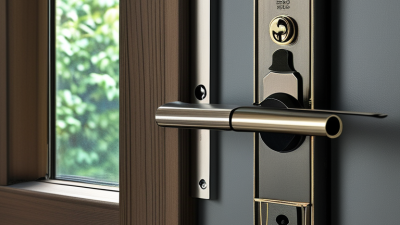
When selecting window locks for home security, several factors demand attention. Security should be your primary concern. Consider the lock's material and design. High-quality stainless steel locks often provide better resistance against forced entry. A poorly designed lock may look good but offers little real protection.
Next, think about ease of use. Locks should not be overly complicated. If you struggle to operate them, you might neglect locking up your windows. Also, consider the installation process. Some locks are easy to install, while others may require professional help. This factor can influence your decision significantly.
Compatibility with your window type is crucial. Different windows may require specific locks. Take measurements to ensure a proper fit. Avoid rushing this step, as a misfit can create vulnerabilities. Reflect on your home’s security needs. Regularly assess whether your current locks meet your evolving security demands. It’s not just about buying the fanciest lock; it's about choosing the right one for your home.
Types of Window Locks Available for Enhanced Protection
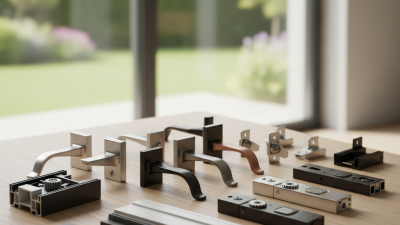
When it comes to window locks, choosing the right type is crucial for home security. Various options are available, each designed to enhance protection. Sliding window locks are popular as they secure panels against unauthorized entry. These locks are easy to install and effective. They typically feature a simple latch mechanism. This mechanism can sometimes be prone to wear over time.
Another option is keyed locks, which provide a higher level of security. They require a key for operation, making them less accessible to potential intruders. However, they may not be suitable for all types of windows. Additionally, key-based systems can be problematic if keys are misplaced. The inconvenience of lost keys can cause frustration.
Pin locks are another method to consider. They work by inserting a pin through the window frame and sash. This simple solution effectively prevents the window from being opened from the outside. However, not all window types can accommodate pin locks. Homeowners should assess their specific windows before making a decision. Each lock type has its advantages and disadvantages. It's crucial to evaluate your needs carefully.
Evaluating the Strength and Durability of Window Locks
When evaluating the strength and durability of window locks, it's crucial to consider several key factors. Security experts suggest that effective window locks can deter 60% of break-in attempts. A robust lock system combines materials like hardened steel and reinforced components. This ensures they resist tampering and force.
Testing is vital for understanding a lock's durability. The American National Standards Institute (ANSI) provides ratings that gauge a lock's performance. ANSI Grade 1 is highly recommended for residential use. Locks with this rating typically withstand over 600 pounds of force. This means they offer significant resistance to forced entry.
Additionally, environmental factors should not be overlooked. Over time, exposure to weather conditions can weaken materials. Regular inspections may reveal corrosion or wear. Homeowners often underestimate these maintenance aspects. Addressing them is essential for sustained security. Opting for locks made from corrosion-resistant materials can enhance longevity. Choosing the right window locks requires careful consideration and awareness of these details.
Installation Tips for Maximum Effectiveness of Window Locks
When it comes to enhancing home security, installing window locks correctly is crucial. Start by assessing the type of windows you have. For sliding windows, use locks that secure the sliding pane to the frame. Casement windows require different locking mechanisms. Make sure to understand the locking system for your specific windows.
Ensure the lock fits snugly. Gaps can create vulnerabilities. If possible, install locks that require a key for added security. While you are putting on your locks, check for proper alignment. Misalignment can prevent locks from functioning correctly. A simple misalignment might render a strong lock ineffective.
Regularly test the locks after installation. Do they open and close smoothly? Are they resistant to pressure? Sometimes, a lock may seem functional but lacks the strength needed to deter intruders. If, over time, you notice any wear or difficulty, it’s best to replace the lock promptly. Effective window locks play a vital role in your overall home security strategy.
Ensuring Compatibility of Window Locks with Different Window Types
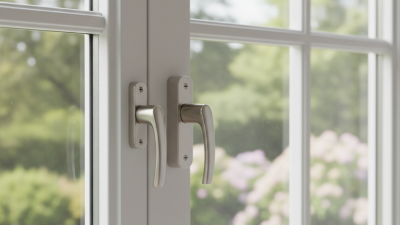
Choosing the right window lock involves understanding the compatibility with your window type. Different window designs require different locking mechanisms. For instance, sliding windows often need locks that secure the sliding panel effectively. Casement windows, which open outward, benefit from locks that can withstand pressure from the outside.
It's crucial to measure your windows properly before purchasing locks. If a lock doesn’t fit, it may compromise your security. Additionally, not all window locks are user-friendly. Some might be complex and difficult for older adults or children to operate. Finding a balance between security and ease of use is essential.
Investing time in research can pay off. Look for solutions that offer both security and compatibility. Check user reviews and seek expert advice if needed. Remember that prioritizing a single lock type may lead to regrets later. Every window serves a different purpose. Be open to exploring various options.