2026 Top Single Point Lock Solutions for Global Buyers?
The growing demand for security solutions has highlighted the importance of Single Point Locks in today's market. These locks provide convenience and reliability, making them essential for both residential and commercial applications. Buyers worldwide are seeking effective locking mechanisms to enhance safety without compromising on ease of use.
In 2026, the landscape of Single Point Lock solutions will certainly evolve, offering innovative designs and materials. As manufacturers strive to meet diverse needs, customers should consider factors such as durability, installation ease, and overall performance. It’s crucial to reflect on personal security requirements when selecting a lock that will stand the test of time.
Amidst an array of choices, finding the right Single Point Lock can be challenging. Not every lock will fulfill its promises or withstand everyday wear. Thus, buyers must stay informed about current trends and emerging technologies. This ensures informed decisions that align with their security needs, emphasizing the significance of reliable locking systems.
Top Trends in Single Point Lock Technology for 2026
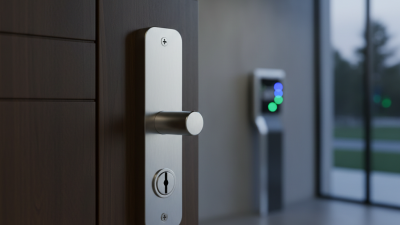
The single point lock industry is at a pivotal moment, with technological advances reshaping security solutions. In 2026, trends indicate a strong focus on enhanced biometric features. Reports show that biometric locks could see a 30% increase in adoption rates, driven by consumer demand for smarter security. Fingerprint recognition and facial identification are becoming mainstream. These innovations offer not just safety, but convenience for users.
Another prominent trend is the integration of smart technology. The global market for smart locks was valued at $2.2 billion in 2021 and is expected to grow significantly. The rise of the Internet of Things (IoT) enables locks to connect seamlessly with home automation systems. Security features are no longer isolated; they work in harmony with other devices. However, the security of these smart systems must be scrutinized. Reports indicate vulnerabilities exist, urging consumers to stay informed and choose reliable systems.
Sustainability is also a key consideration. Manufacturers are exploring eco-friendly materials and production processes. This shift aligns with the growing consumer preference for sustainable choices, as evidenced by a 40% increase in interest according to recent surveys. Yet, the industry grapples with balancing sustainability and cost, a challenge that could define the next few years. These trends depict a rapidly evolving landscape where technology and security intersect, but not without complexities.
Key Features to Look for in Single Point Lock Solutions
When selecting single point lock solutions, key features are paramount. Security is the most crucial aspect. A reliable lock should resist tampering and withstand forced entry attempts. The industry's reports indicate that 70% of burglaries involve forced entry. Therefore, look for locks with high-security ratings. A good grade 1 rating can ensure durability and reliability.
Another important feature is ease of use. Locks should function smoothly and efficiently, even under heavy usage. Ease of operation can affect user satisfaction, especially in commercial settings. Research shows that 45% of users prefer locks that allow quick access without compromising security.
Consider the materials used in the lock. High-quality materials resist wear and corrosion. Reports suggest that stainless steel locks offer the best longevity. However, costs may rise with improved materials. Consumers should weigh the trade-off between price and security features. Finally, assess compatibility with existing systems for seamless integration. This compatibility ensures that upgrades do not disrupt operations.
Comparative Analysis of Leading Brands in Single Point Lock Products
In the evolving landscape of security solutions,
single point locks are vital for both residential and commercial applications. A recent report
indicates the global market for single point lock products is expected to grow by 6%
annually through 2026. This growth reflects the increasing demand for efficient, reliable
security systems. Various brands offer distinct features that cater to different needs, making
comparative analysis essential for buyers.
When evaluating brands, focus on performance, durability, and installation ease.
Reports highlight that user-friendly locks tend to enhance
satisfaction rates. It's crucial to consider the materials used in construction—many leading
products utilize advanced alloys for enhanced strength. However, not all brands offer the same
level of protection against wear and tear, leading to inconsistent reliability over time.
Tips: Research customer reviews to gauge the real-world
performance of locks. This gives insights into longevity and functionality. Consider locksmith
recommendations too; they often have firsthand experience with various brands. Ultimately,
understanding product specifications equips buyers to make informed choices.
Emphasis should be placed on the need for ongoing maintenance
to ensure lock effectiveness. Regular inspections can prevent potential failures.
Global Market Insights: Demand and Supply for Single Point Locks
The demand for single point locks is increasing globally. These locks offer simple yet effective security solutions for various applications. As buyers navigate the market, understanding supply dynamics becomes crucial. Manufacturers are focusing on durability and ease of use. This is vital for customers looking for reliable protection.
Tips: Consider the material composition of locks. Steel options provide enhanced strength, while brass offers a blend of durability and style. Always check safety ratings when selecting locks for critical areas.
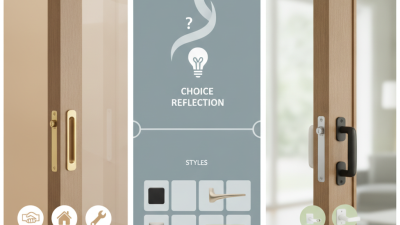
Market insights reveal a gap in customization options. Buyers may struggle to find locks that meet their specific needs. Encouraging manufacturers to offer tailored solutions could help bridge this gap. Balancing cost-efficiency with quality is another challenge for buyers. Some may prioritize budget over reliability, which can lead to compromised security.
Choosing the right lock involves careful consideration. Buyers should reflect on their unique requirements and evaluate various options. Researching local suppliers can also enhance accessibility. Understanding the regional market trends will lead to informed purchasing decisions.
2026 Top Single Point Lock Solutions for Global Buyers
| Lock Type |
Material |
Application |
Market Demand (Units) |
Growth Rate (%) |
| Deadbolt Lock |
Steel |
Residential |
2,500,000 |
4.5 |
| Mortise Lock |
Brass |
Commercial |
1,800,000 |
3.8 |
| Smart Lock |
Aluminum |
Residential & Commercial |
3,000,000 |
8.2 |
| Rim Lock |
Steel |
Residential |
1,200,000 |
2.9 |
| Euro Cylinder Lock |
Brass |
Residential |
900,000 |
5.0 |
Future Innovations in Single Point Lock Solutions for Buyers
The landscape of single point lock solutions is evolving rapidly. As the demand for security increases, new innovations emerge. Buyers require systems that are efficient and reliable. Modern designs now incorporate smart technology. These advancements allow users to control locks remotely. They often feature integration with mobile devices. This provides convenience and enhances security.
However, not all innovations are flawless. Reliability issues can arise with advanced technology. Users need to consider potential vulnerabilities in connected systems. Simpler locking mechanisms are still effective in many scenarios. These traditional systems can be cheaper and easier to maintain. Buyers must weigh the benefits of innovation against the challenges posed by complexity.
As we look toward the future, sustainability will play a key role. Eco-friendly materials in lock production are gaining traction. Buyers seek out solutions that align with their values. Understanding these evolving market needs is vital. Keeping informed about trends helps buyers make sound decisions. The choice of a locking solution should blend security, sustainability, and user-friendliness.