How to Choose the Right Single Point Lock for Your Security Needs?
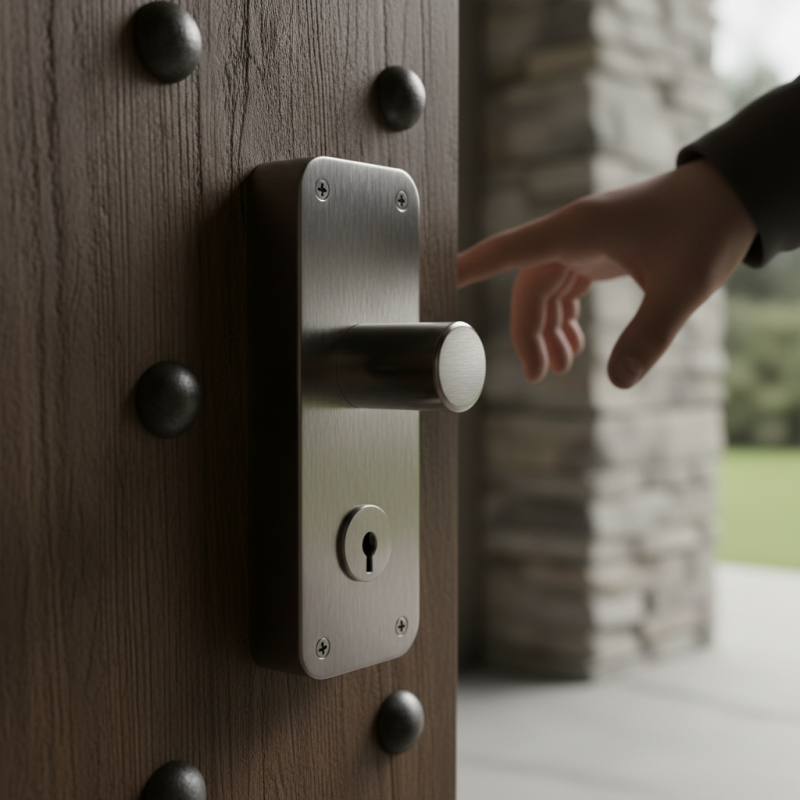
When it comes to enhancing security, choosing the right Single Point Lock is crucial. These locks provide a straightforward solution for securing doors and entry points. Understanding their features can help you make informed decisions.
Selecting a Single Point Lock hinges on various factors, including the environment and specific security needs. Consider the material of the lock, installation ease, and durability. Locks made from high-quality materials tend to offer better protection and longevity.
However, it's essential to acknowledge that not all locks are foolproof. Regular maintenance is key to ensuring their reliability. Reflecting on your current security measures is also important. By prioritizing your security needs and understanding your options, you can effectively protect your property.
Understanding Single Point Locks: Types and Features
Choosing the right single point lock involves understanding its types and features. Single point locks are critical for securing entry points in homes and businesses. They operate with a single mechanism, engaging a bolt into the door frame when locked. This simplicity can be effective, but it also has limitations.
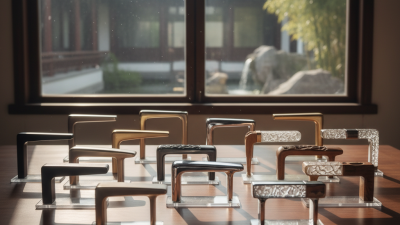
There are various types of single point locks available. Some are designed for residential use, while others are more robust for commercial applications. Consider the material and construction of the lock. Steel locks offer durability, while brass locks provide a stylish finish. Each option has unique attributes that may or may not meet your needs.
Tips: Assess your door's material. A lock should be compatible with your door type. If your door is wood, consider a different lock than if it is steel. Test the locking mechanism before purchasing. A lock should operate smoothly and without hesitation. Always remember, a lock's aesthetic may be appealing, but its functionality is paramount. When evaluating locks, reflect on your security priorities. A lock that looks secure may not be adequate for your specific situation.
Assessing Security Needs: Factors to Consider for Lock Selection
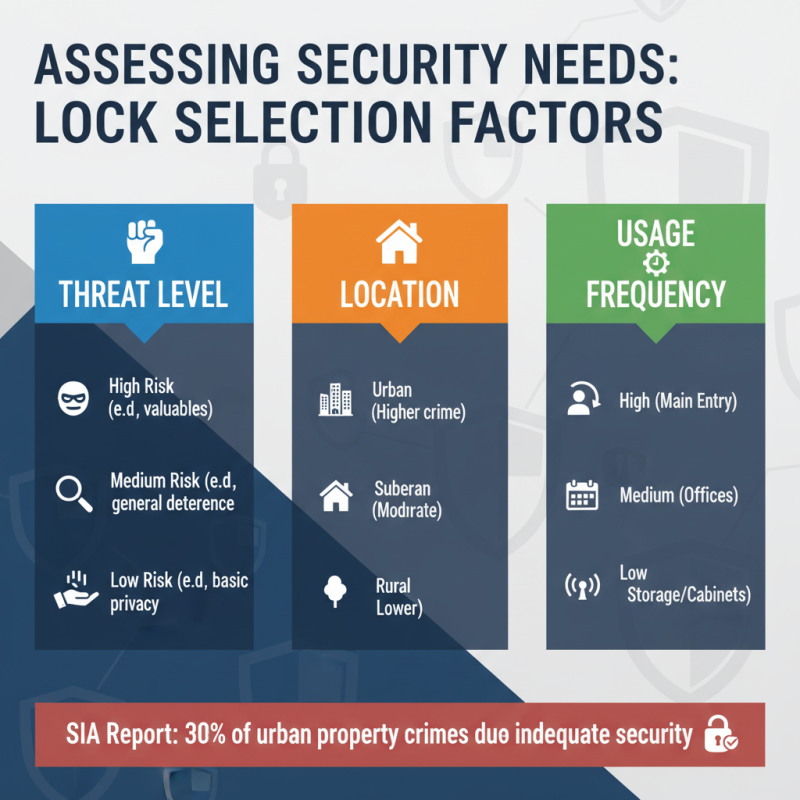
Choosing the right single point lock requires a careful assessment of security needs. Various factors come into play, including the level of threat, location, and usage frequency. According to a report from the Security Industry Association (SIA), nearly 30% of property crimes in urban areas occur due to inadequate security measures. This statistic underscores the importance of selecting the right lock to safeguard your premises.
Consider the specific risks associated with your environment. For example, residential areas may face different threats compared to commercial spaces. A report by the National Institute of Standards and Technology (NIST) indicates that over 40% of burglaries involve a forced entry through inadequate locks. Understanding the nature of potential threats can guide your selection process.
Additionally, the material and design of the lock matter significantly. A well-designed lock can resist tampering and weather conditions. However, it's crucial to recognize that no single lock can provide total security. Regular evaluations of security measures and adjusting them based on evolving risks is vital. Regular maintenance of locks will enhance their lifespan and efficiency, helping you avoid potential vulnerabilities in your security system.
Evaluating Lock Durability: Materials and Construction Quality
When selecting a single point lock, the materials and construction quality are vital. Many locks are made of steel or brass, but not all steel is equal. For instance, AISI 304 stainless steel offers substantial corrosion resistance, making it a good choice for outdoor environments. In contrast, lower grades may not stand the test of time, especially in humid conditions. According to the Security Industry Association, durability affects not just lifespan but also security effectiveness.
Construction matters, too. A solid core design enhances resistance to tampering and forced entry. However, some locks are hollow, offering little protection. The American National Standards Institute (ANSI) rates locks for durability, so checking these ratings can guide your choice. A Grade 1 rating indicates the highest level of security, but many users opt for Grade 2 or even Grade 3 without realizing the trade-offs.
Lock functionality is often hampered by poor installation or maintenance. Regular checks can reveal signs of wear that compromise security. In fact, a report by the National Crime Prevention Association highlighted that 30% of break-ins occur through faulty locks. This statistic emphasizes the importance of selecting a lock with proven durability and quality construction to effectively secure your premises.
Evaluating Lock Durability: Materials and Construction Quality
This chart illustrates the durability ratings of various lock materials and construction quality based on their ability to withstand physical attacks.
Installation Considerations: Professional vs. DIY
When considering the installation of a single point lock, think carefully about your skills.
Installing a lock may seem straightforward, but it can be more complex than expected. A misplaced drill hole can compromise security.
Ensure you understand the lock’s mechanics before diving in.
Hiring a professional offers peace of mind. Pros have experience, and they know the common pitfalls.
They can assess your door frame, ensuring a snug fit. This prevents future issues, like the lock jamming.
However, this option may come with higher costs.
DIY can save you money but requires tools and time. Balance your budget against potential mishaps.
Before finalizing your decision, weigh your comfort level.
Are you confident in your abilities?
Can you invest time for repairs if needed? Consider all aspects. The right choice ensures your security needs are met effectively.
Cost vs. Value: Budgeting for Your Security Lock Choice
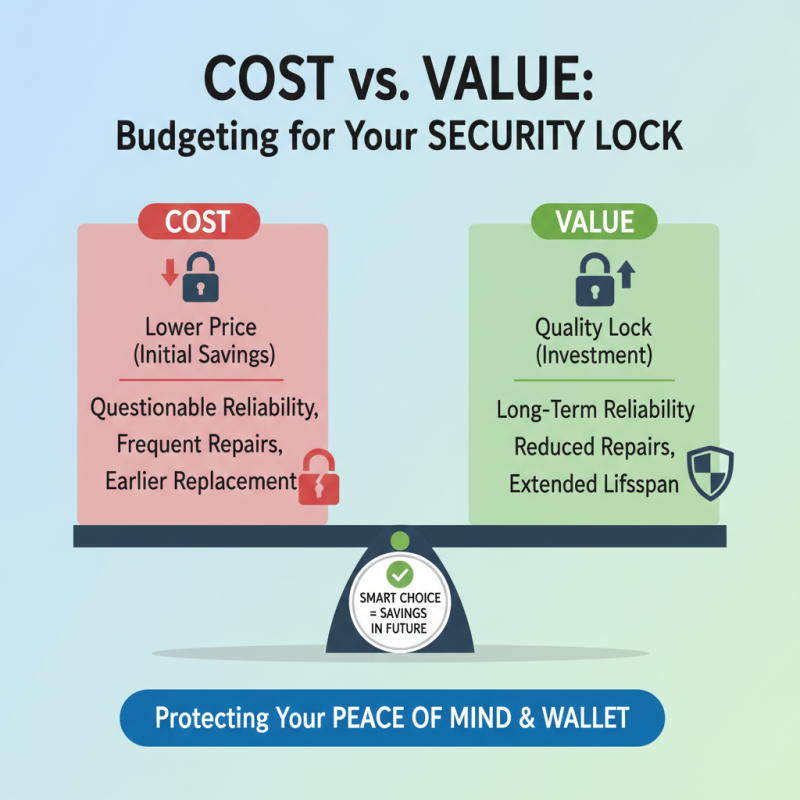
When selecting a single point lock, it's crucial to balance cost and value. A lower-priced lock may seem appealing initially. However, its long-term reliability could be questionable. Investing in a quality lock may save money in the future by reducing repair and replacement costs.
Consider the specific security needs of your property. A basic lock may suffice for low-risk areas. Yet, if your assets are valuable or you live in a high-crime area, a higher-end model is wise. Your choice should also reflect the potential impact of a security breach. The emotional toll of theft cannot be measured in dollars.
As you evaluate your budget, reflect on what security truly means to you. A lock is more than just a mechanism; it represents peace of mind. Be prepared to make adjustments in other areas of your spending to invest adequately in security. Often, the cheapest option generates regrets later, overshadowing the initial savings.