What is a Single Point Window Handle and How to Choose One?
Choosing the right window hardware can significantly impact both functionality and aesthetic appeal. A Single Point Window Handle is an essential component that offers both convenience and security. Understanding its features can help you make an informed decision.
Single Point Window Handles are designed to provide easy operation for various window types. Typically, they secure the window at a single locking point. This simplifies both installation and usage. However, selecting the right handle requires careful consideration of your specific needs.
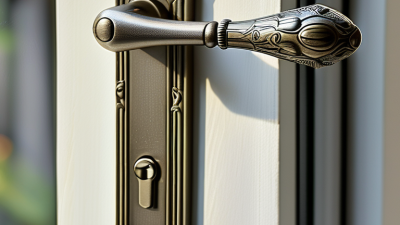
Different designs and finishes are available, each suited to particular window styles. Durability is a key factor. A quality Single Point Window Handle should withstand daily use while enhancing the window's overall look. Think about the style of your home and the security requirements for your windows. This is where your choices become critical.
What is a Single Point Window Handle?
A single point window handle is a locking mechanism that secures a window in one location. This type of handle fastens the window with a single action, offering convenience and security. Industry reports note that these handles reduce installation time by up to 30% compared to traditional locking systems. They are popular for residential and commercial use due to their efficiency.
When choosing a single point window handle, consider material and design. Stainless steel is durable and can withstand harsh weather. Aesthetic appeal matters too; select a design that complements your windows. According to the National Fenestration Rating Council, energy-efficient windows can enhance overall home insulation. Thus, a robust handle can improve your window's performance.
Tips: Test the handle for ease of use. It should feel sturdy but not overly stiff. Regular maintenance ensures longevity. Also, keep in mind that not all handles fit every window style. Research compatibility before making a purchase. Balancing functionality and design can sometimes be challenging but is crucial for overall satisfaction.
Components and Functionality of Single Point Window Handles
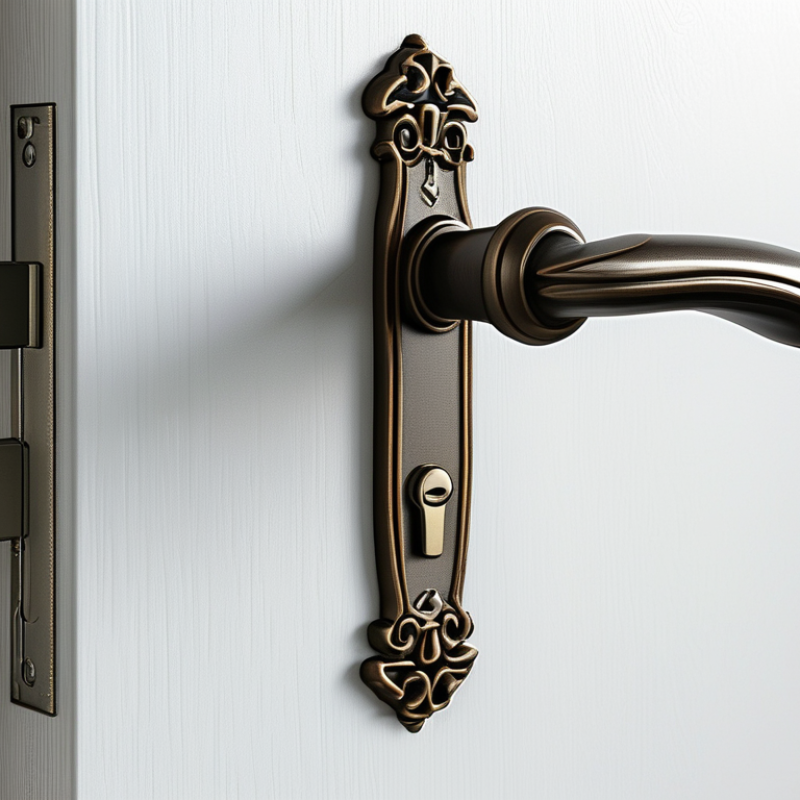
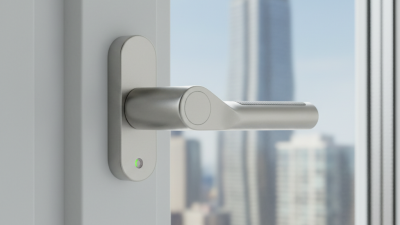
Single point window handles are essential for the functionality and security of your windows. They consist of a single mechanism that allows you to lock or unlock the window with ease. The simplicity of the design is its strength, ensuring that users can operate the window without complications. These handles typically include a lever or twist lock, which engages with the window frame. Materials like aluminum or stainless steel enhance durability, making them ideal for various environments.
When choosing a single point window handle, consider the components carefully. Look for ergonomic designs that offer comfort during use. The finish should resist wear and corrosion. Additionally, be attentive to the locking mechanism's quality—this determines the level of security. A poorly made handle may not fit perfectly, leaving gaps which can lead to potential security issues. Evaluate how well the handle blends with your window style for a cohesive look. Sometimes, the most straightforward designs can serve their purpose but may require more frequent adjustments or replacements.
Factors to Consider When Choosing a Single Point Window Handle
Choosing the right single point window handle can significantly impact security and usability. A reliable handle is essential for protecting your property. When considering options, think about the material, design, and compatibility with your window type. For instance, steel handles offer durability while aluminum is lighter and resistant to corrosion.
Understanding the ergonomics of a handle is also vital. A poorly designed handle can lead to strain during operation. According to industry reports, over 30% of users experience discomfort with suboptimal designs. Look for handles that allow for a secure grip without excessive force. This aspect is particularly important for elderly users or those with mobility issues.
Tip: Always test the handle before finalizing your choice. Ensure that it opens and closes smoothly. Additionally, consider the aesthetic appeal of the handle. It should complement your window style and the overall look of your home. A balance between functionality and style can enhance your living space significantly.
Types of Single Point Window Handles Available in the Market
When selecting a single point window handle, understanding the different types available is essential. The most common type is the paddle handle. It features a flat paddle design, making it easy to operate with a simple push. This straightforward mechanism is suitable for various window styles and is popular in both residential and commercial settings.
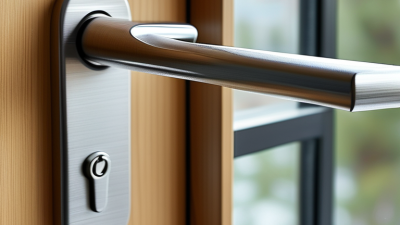
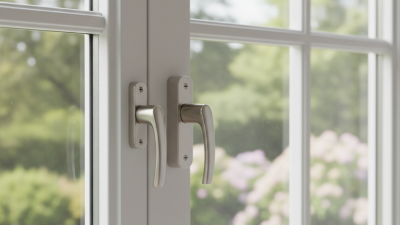
Another type is the cranked handle. This design has an angled arm that provides better leverage, especially for larger or heavier windows. Cranked handles can be beneficial if windows are difficult to reach. Additionally, they often come with a more secure locking mechanism, enhancing safety for residential applications.
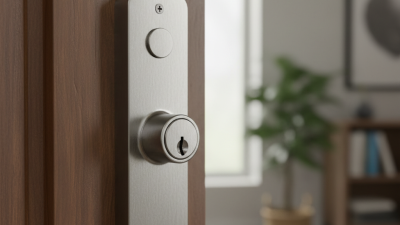
Lastly, there are key-operated handles. These offer an added layer of security, requiring a key for operation. They are ideal for ground-floor windows or properties in high-risk areas. While they provide excellent protection, users must be mindful of keeping the key accessible yet secure.
Understanding these types can help in making an informed choice that balances functionality and security.
Installation and Maintenance Tips for Single Point Window Handles
Single point window handles are essential for functionality and safety. Their seamless operation can enhance the user experience. However, improper installation and maintenance can lead to frequent issues. A recent industry report indicates that up to 25% of window handle failures stem from poor installation practices. It's vital to adhere to guidelines during installation to ensure longevity.
When installing, first check that the window frame is level and free of obstructions. Secure the handle in the correct position, allowing for smooth engagement with the locking mechanism. Tightening screws too much can cause misalignment. Regular maintenance is also crucial. Clean the handle often to remove dust and debris. Lubricating the mechanism once a year can prevent rust and sticking. Neglect can lead to costly repairs.
Keep an eye out for signs of wear. Cracked handles or rust can indicate the need for replacement. An expert reports that about 15% of window issues result from overlooked maintenance. It’s easy to overlook small signs, but addressing them early can save time and money. Implement these practices for better performance of your single point window handles.