2026 Top Sliding Window Handle Trends and Innovations?
As we look ahead to 2026, the world of home design continues to embrace innovation. One of the key areas of focus is the "Sliding Window Handle." This seemingly simple component has become a hub for creativity and functionality. In modern architecture, these handles are not just practical; they also enhance aesthetics.
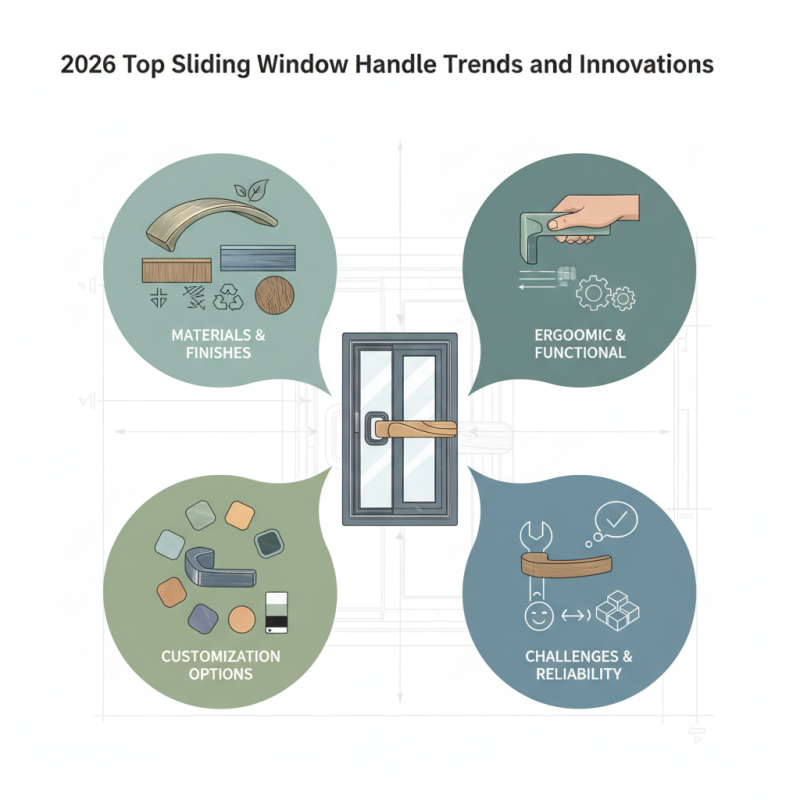
Designers are experimenting with materials and finishes. Sleek metals and eco-friendly materials are popular. Functionality is not overlooked; ergonomic designs are trending. Customers desire smooth operation and durability. Additionally, customization options are growing. This allows homeowners to match handles with their unique style.
Despite the advancements, the market faces challenges. Some designs may lack user-friendliness or reliability. Feedback from consumers often highlights issues with installation or maintenance. Addressing these concerns is vital for manufacturers aiming to create trust in their products. Overall, Sliding Window Handles represent a fusion of design and practicality, reflecting the changing landscape of home design.
Overview of Sliding Window Handles: Types and Functions
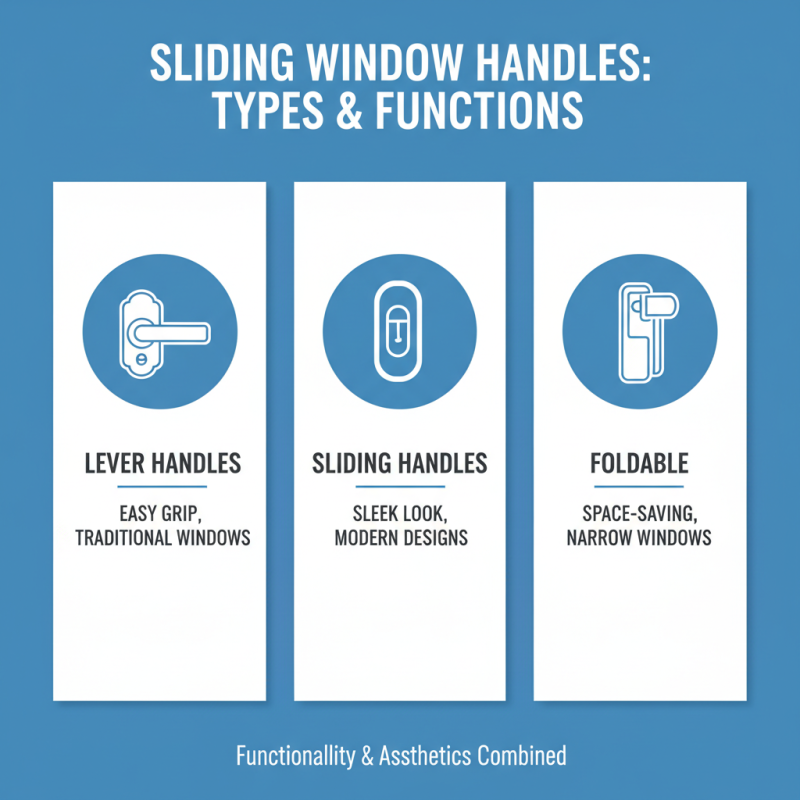
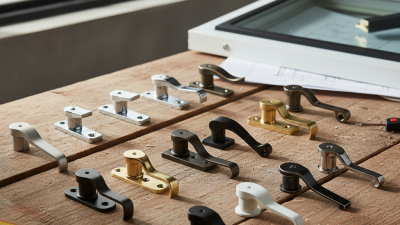
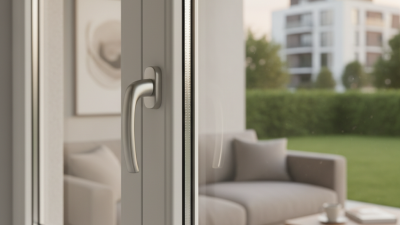
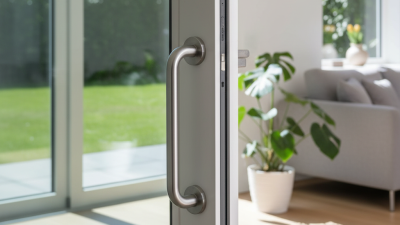
Sliding window handles are essential for functionality and aesthetics. They come in several types, including lever, sliding, and foldable designs. Each type serves a specific purpose and complements various window styles. The lever handle is easy to use and ideal for traditional windows. Sliding handles offer a sleek look for modern designs. Foldable handles make narrow windows user-friendly.
When it comes to materials, options range from durable metals to stylish plastics. Each material impacts durability and design. Metal handles provide strength and corrosion resistance, which is vital in harsh environments. In contrast, plastic handles can be more visually appealing and lightweight but may not last as long.
Innovation in this market continues to evolve, driven by user needs. Recently, there are more ergonomic designs that focus on comfort. Some handles feature anti-theft mechanisms for added security. However, the challenge lies in balancing innovation with cost-effectiveness. The right handle not only enhances aesthetics but also improves user experience. Design must also consider maintenance and repair issues over time.
Key Innovations in Sliding Window Handle Design for 2026
The design of sliding window handles is evolving rapidly. In 2026, functionality and aesthetics are paramount. One notable trend is the integration of smart technology. Handles equipped with sensors can enhance security and simplify access. Users appreciate the convenience that such innovations provide.
Materials are also changing. Lightweight alloys and durable plastics are more popular. These materials offer strength without adding bulk. Yet, there’s a learning curve. Manufacturers need to balance cost and quality. Not all materials perform equally well in various climates.
Color and texture are becoming important too. Matte finishes and vibrant colors attract attention. Homeowners want handles that complement their interiors. However, durability issues arise with some finishes. Reviews suggest that not all colors withstand the test of time. This reflects a need for improvement in coating processes. Overall, the future of sliding window handles is bright but requires careful planning and testing.
2026 Top Sliding Window Handle Trends
Materials and Durability Trends for Sliding Window Handles
The sliding window handle market is experiencing significant innovations in materials and durability. Recent industry reports indicate a growing preference for handles made from advanced composites and corrosion-resistant metals. These materials offer enhanced longevity and performance, crucial for applications in varied climates. Data shows that over 70% of consumers prioritize durability when selecting window hardware.
In terms of performance, studies reveal that more than 60% of homeowners have faced issues with traditional handles, often citing corrosion and wear as primary concerns. This has propelled manufacturers to experiment with polymer blends and stainless steel. The choice of materials not only affects functionality but also aesthetic appeal. Designers are increasingly blending function with style, creating handles that complement modern architecture while ensuring reliability.
Despite these advancements, the industry still grapples with challenges. For instance, some consumers report that new materials can lack the tactile feedback that traditional handles provided. Additionally, not all innovations are universally compatible with existing windows, leading to frustration. Continuous testing and refinements are necessary to meet the expected standards of high performance and user satisfaction.
2026 Top Sliding Window Handle Trends and Innovations
| Trend / Innovation |
Material Used |
Durability Rating |
Finishes Available |
Sustainability Score |
| Ergonomic Design |
Aluminum |
8/10 |
Matte Black, Satin Nickel |
8/10 |
| Smart Technology Integration |
Composite Materials |
9/10 |
Gloss White, Bronze |
7/10 |
| Retractable Handles |
Stainless Steel |
9/10 |
Brushed Finish, Glossy Finish |
8/10 |
| Multi-Point Locking Systems |
Zinc Alloy |
10/10 |
Antique Brass, Polished Chrome |
6/10 |
| Minimalist Aesthetics |
Plastic, Aluminum |
7/10 |
White, Gray |
9/10 |
Enhanced Security Features in Modern Sliding Window Handles
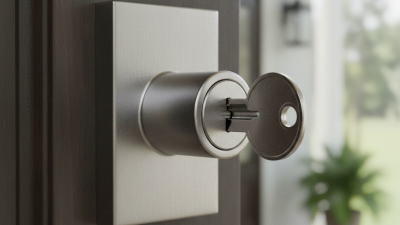
Sliding window handles have evolved significantly, with enhanced security features becoming a focal point of innovation. Modern homeowners prioritize safety when choosing window fixtures. New designs now integrate multi-point locking systems, providing added security against unauthorized access. These systems distribute force evenly, making it harder for intruders to compromise the window.
Incorporating durable materials is another trend. Manufacturers are using reinforced metals and high-strength polymers. These materials resist wear and tear, ensuring long-lasting function and security. Some models include anti-lift designs, preventing removal from the outside. While these advancements are promising, there is room for improvement. User experience can be inconsistent, with some handles being difficult to operate smoothly.
Moreover, the aesthetics of sliding window handles cannot be overlooked. Many people desire combinations of security and style. Yet, balancing both features can be challenging for designers. While some options look appealing, they may sacrifice functionality. Awareness of these trade-offs can help consumers make more informed choices. Enhanced security is crucial, but usability should remain a priority in future innovations.
Eco-Friendly Designs and Sustainability in Sliding Window Technology
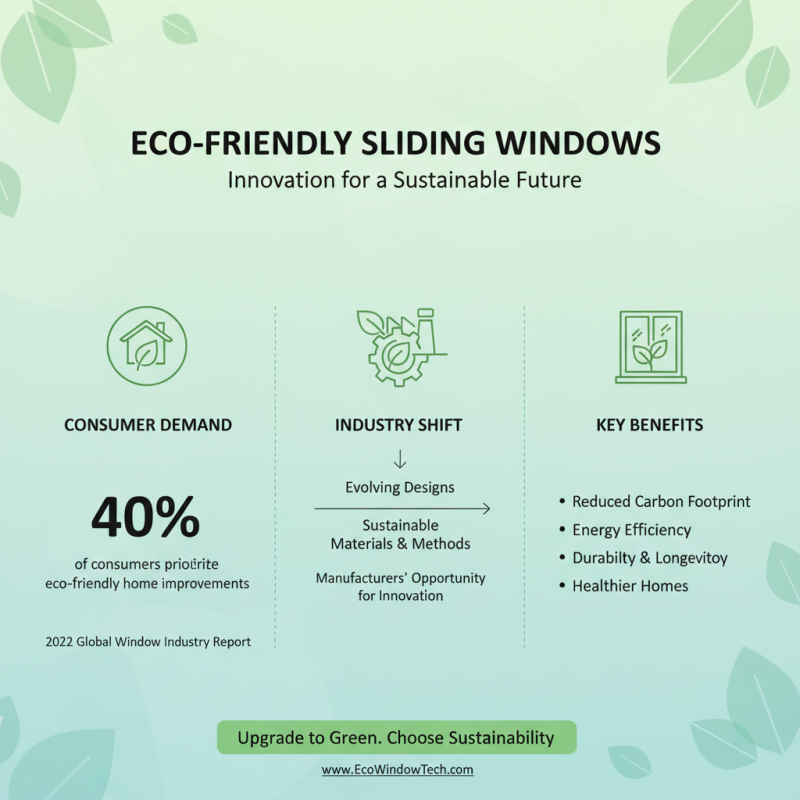
Sliding window technology is evolving towards more eco-friendly designs, reflecting the growing demand for sustainability. According to the 2022 Global Window Industry Report, nearly 40% of consumers now prioritize eco-friendly features in their home improvement choices. This shift presents a unique opportunity for manufacturers to innovate with sustainable materials and methods.
Many sliding window handles are now crafted from recycled aluminum and high-quality polymers, reducing environmental impact. The use of bio-based plastics has also gained traction. These materials not only decrease carbon footprints but also enhance durability. However, challenges remain. Some manufacturers still rely on traditional materials due to cost constraints or lack of awareness. The industry must balance this urgent demand for sustainability with the realities of production.
The trend of energy efficiency is also prominent. Energy-efficient windows can reduce heating and cooling costs by up to 30%, according to the U.S. Department of Energy. This metric speaks volumes about the potential long-term savings for homeowners and the environment. Additionally, efforts to implement better recycling programs for old windows need expansion. With a coordinated approach, the sliding window sector can lead change in the building industry while remaining profitable.