How to Choose the Best Sliding Window Lever for Your Needs?
Choosing the right Sliding Window Lever is crucial for both functionality and aesthetics. An ideal lever enhances your window's usability while complementing your home’s design. With numerous options available, it's easy to feel overwhelmed. Each lever offers its unique ergonomic features and style elements, making informed choices essential.
Understanding your specific needs is vital. Consider the window size and weight. A lever should provide a secure grip and smooth operation. Check the materials and construction quality. Durable options will last longer and require less maintenance. Research different styles to find a perfect match for your decor.
Personal experiences can further guide you. Many users report satisfaction with specific levers, while others highlight inconsistencies in performance. Reading reviews may help reveal hidden insights. Reflecting on these aspects will empower you to select a Sliding Window Lever that enhances both function and beauty in your living space.
Understanding the Functionality of Sliding Window Levers in Window Systems
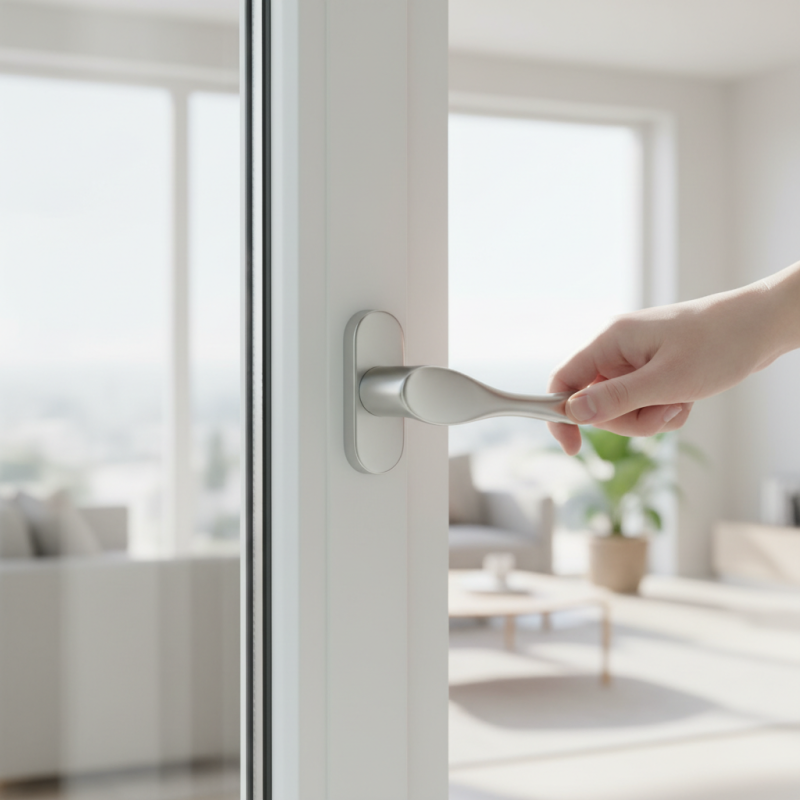
Sliding window levers play a crucial role in the functionality of window systems. They are designed to engage and disengage the locking mechanism effectively. A well-functioning lever allows for smooth operation, which is essential for both convenience and security. Research shows that over 70% of homeowners consider ease of use when selecting window hardware.
When examining sliding window levers, one must consider the materials used in their construction. High-quality materials enhance durability and performance. Corrosion-resistant finishes can prolong the lever's lifespan, especially in humid environments. Interestingly, data indicates that stretching window life by just 5-10 years can significantly reduce replacement costs and environmental impact.
However, not all levers are created equal. A poorly designed lever may lead to operational challenges. Some users report that levers feel stiff or unresponsive. It is important to test the lever before installation. Potential buyers should seek professional advice if unsure. Understanding these intricacies is vital in selecting the best sliding window lever to meet specific needs.
Sliding Window Lever Types and Their Popularity
This chart displays the popularity of different types of sliding window levers based on market research. The 'Standard Lever' is the most popular, followed by 'Child Safety Lever', 'Locking Lever', and 'Multi-Point Lever'. Understanding these options can help you choose the best sliding window lever for your needs.
Key Factors: Material Types and Durability of Sliding Window Levers
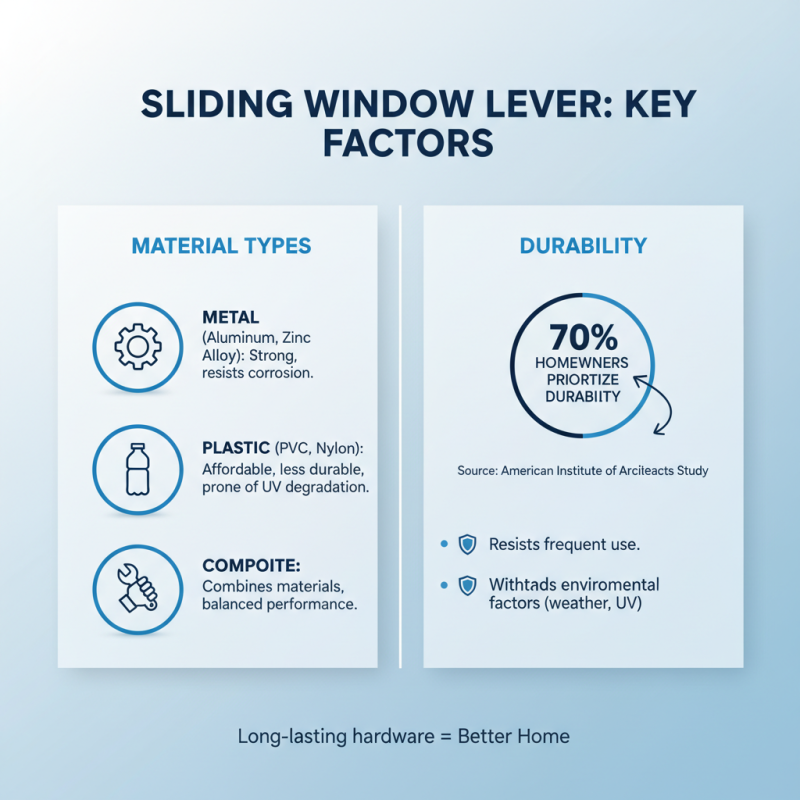
When selecting a sliding window lever, material and durability are crucial factors. A study from the American Institute of Architects indicates that over 70% of homeowners prioritize durability in their window hardware. This is not surprising, as the lever endures regular use and must withstand environmental factors.
Common materials for sliding window levers include aluminum, stainless steel, and plastic. Aluminum provides a lightweight yet strong option. A report from the National Research Council states that aluminum levers can last over 20 years when maintained properly. Stainless steel, while typically more expensive, offers superior corrosion resistance. Research reveals that these levers are especially beneficial in coastal areas, where salt exposure can be harsh. While plastic levers are often less expensive, they are prone to wear and cracking over time, making them a less reliable choice.
Durability assessment should also encompass resistance to weathering. The Consumer Product Safety Commission highlights that levers exposed to extreme temperatures may degrade faster. Homeowners are advised to consider both the aesthetics and functionality of their levers. Opting for high-quality materials can prevent frequent replacements and save money in the long run. However, affordability and aesthetics can sometimes cloud judgment, leading to poor choices that compromise longevity.
Evaluating Design: Aesthetic and Ergonomic Considerations for Use
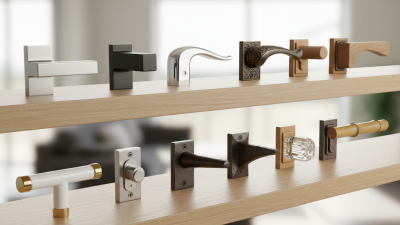
When choosing a sliding window lever, aesthetics and ergonomics are pivotal. A well-designed lever enhances the window's look and function. Consider the material and finish. For example, metal options offer modern appeal, while wood can add warmth. Color should complement your space. A good match can enhance the overall ambiance of a room.
Ergonomic design is about comfort and usability. A lever should fit your hand well, allowing for easy operation. Test different shapes and sizes to find what feels right. The grip should be natural, reducing strain during use. Additionally, the lever's positioning matters. It should be accessible yet unobtrusive. A poorly placed lever may hinder window function.
Reflecting on your choices can lead to improvements. Sometimes, aesthetic preferences may clash with ergonomic needs. Balancing these aspects requires consideration. Ultimately, a thoughtful selection process can create a functional and visually appealing window experience.
Technical Specifications: Dimensions and Compatibility with Window Frames
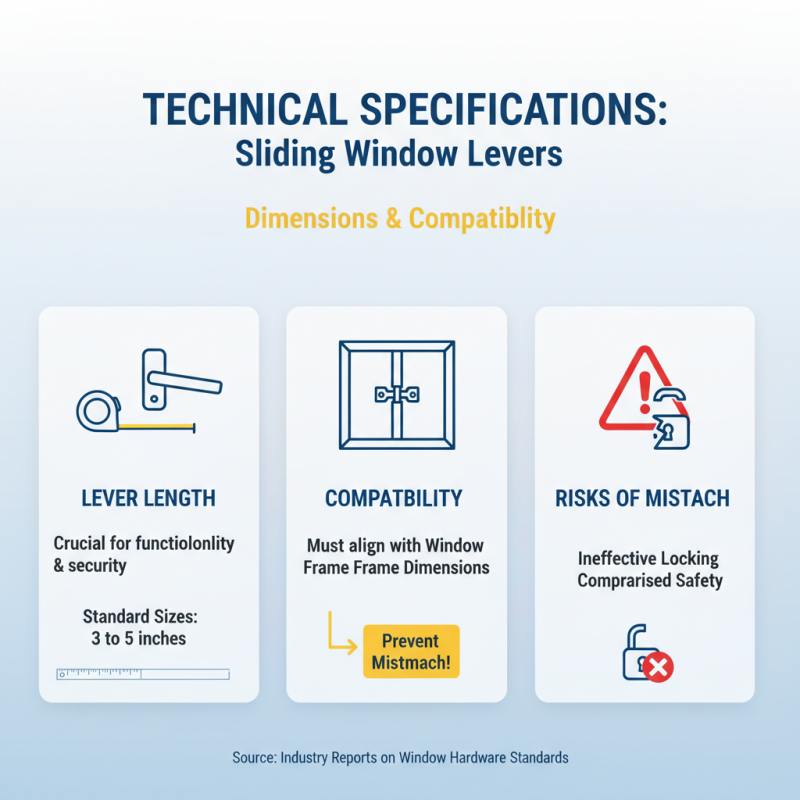
Choosing the right sliding window lever is crucial for functionality and security. Technical specifications must align with your window frame dimensions. Standard lever sizes vary, typically from 3 to 5 inches in length. Many industry reports indicate that a mismatch can lead to ineffective locking mechanisms, compromising safety.
Compatibility is also vital. For vinyl frames, levers need to accommodate specific profiles. According to the Window and Door Manufacturers Association, over 70% of window failures stem from improper hardware fit. Thus, knowing whether your frame is wood, aluminum, or vinyl can influence your choice significantly.
When selecting a lever, pay attention to mounting hole spacing. Common spacings are 3 and 5 inches. Some DIY enthusiasts overlook this detail, resulting in frustrating installations. It’s essential to measure accurately. Manufacturers often provide detailed specifications, yet users must double-check these against their window frames.
Cost vs. Quality: Analyzing the Best Value Sliding Window Levers on the Market
When selecting a sliding window lever, it's essential to balance cost and quality. A lower price may seem attractive, but it can often lead to compromises in durability and functionality. Quality materials can extend the lifespan of your lever, making it a better investment in the long run. Look for levers made from robust metals or high-grade plastics, which can withstand regular use. Avoid cheap levers that may wear out quickly, costing you more money in the end.
Tips: Always examine the finish of the lever. Rust-resistant coatings can prevent deterioration, especially in humid climates. Test the lever’s grip; it should provide a secure and comfortable fit. A smooth operation is vital for daily use and accessibility.
Consider the overall design of the lever. Aesthetic appeal and ease of use can significantly enhance your experience. Levers that are too complicated may frustrate users, while sleek, simple designs work well in various settings. Weigh your options carefully. Are you prioritizing style over function? Reflect on what matters most for your needs.
How to Choose the Best Sliding Window Lever for Your Needs?
| Feature |
Option 1 |
Option 2 |
Option 3 |
| Material |
Aluminum |
Stainless Steel |
Plastic |
| Durability |
High |
Very High |
Medium |
| Weight Capacity |
Up to 100 lbs |
Up to 200 lbs |
Up to 75 lbs |
| Price Range |
$15 - $30 |
$25 - $50 |
$5 - $15 |
| Ease of Installation |
Easy |
Moderate |
Easy |
| Design Options |
Sleek |
Classic |
Basic |