Leave Your Message
AI Helps Write

What Is Window Hardware and What Types Are There?

Window Hardware is easy to overlook, yet it controls how a window opens, closes, locks, and seals. A small handle can affect daily comfort. A weak hinge can create costly problems.

As Dr. Eckhard Keill, CEO of Roto Frank, has said, “Hardware is the heart of every window’s function.” This idea reflects what installers see on site. Hardware carries weight, guides movement, and helps protect a room from drafts, rain, and unwanted access. Its quality matters.

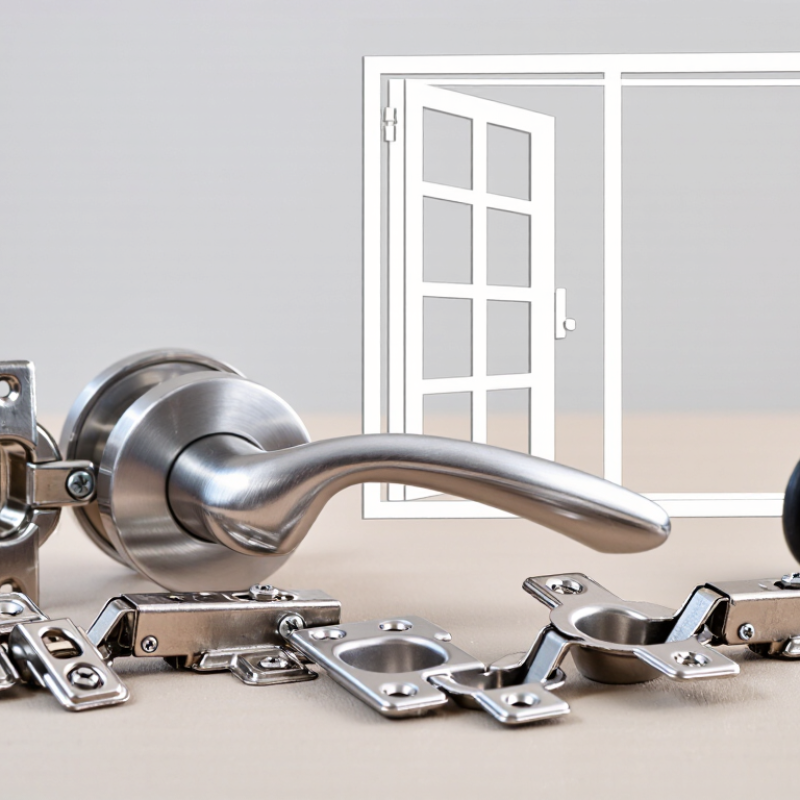
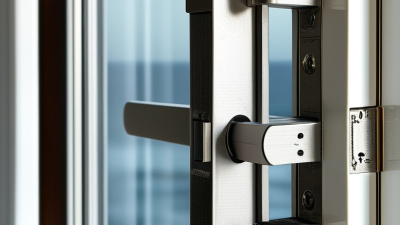
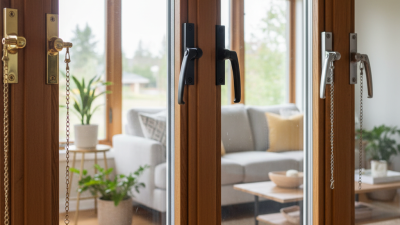
Window Hardware includes several practical categories. Handles provide grip and operating control. Hinges support the sash and guide its movement. Locking systems secure the meeting rails. Rollers help sliding windows move smoothly. Friction stays control the opening angle. Restrictors improve safety in selected applications.

The correct choice depends on more than appearance. Window type, sash weight, opening direction, frame material, exposure, and installation accuracy all matter. Stainless steel may suit damp coastal conditions. A stronger hinge may be necessary for a wide, heavy sash. Compatibility is critical.

This subject is less simple than it first appears. A premium handle cannot repair a poorly aligned frame. Even durable hardware may fail when screws are too short or drainage paths are blocked. That is why experienced professionals inspect the complete window system, not one component alone.

This guide explains what Window Hardware does and how its main types differ. It also considers materials, security features, maintenance needs, and common selection mistakes. The details may seem small. Their impact is not.

What Is Window Hardware and What Types Are There?

Defining Window Hardware and Its Role in Window Systems

Window hardware is the working interface between a window sash and its frame. It includes handles, locks, hinges, rollers, stays, operators, and restrictors. These parts control opening, closing, ventilation, compression, and resistance to forced entry. In a casement window, the operator pushes the sash outward. The lock then pulls it tightly against the seals. Small movements matter. Poor alignment can create drafts, noise, or difficult operation.

Hardware also affects energy performance, although it is not the only factor. The U.S. Department of Energy states that heat gain and heat loss through windows account for 25% to 30% of residential heating and cooling energy use. Its Energy Saver guidance connects performance with glazing, frames, air leakage, and installation. Hardware supports these elements by maintaining gasket contact. It cannot rescue a badly fitted frame. That limitation deserves more attention.

Different window systems require different mechanisms. Sliding windows use rollers, lifts, catches, and anti-lift devices. Tilt-and-turn designs combine hinges, multi-point locks, and controlled opening points. Awning windows commonly use friction stays or chain operators. In coastal or humid locations, corrosion-resistant finishes and drainage deserve inspection. The International Energy Agency’s Buildings 2023 report identifies buildings as responsible for about 30% of global final energy demand. That figure does not isolate hardware, but it shows why small operating details matter. A handle may look minor. It is a daily test of the whole window system.

Core Components Found in Modern Window Hardware

What Is Window Hardware and What Types Are There?

Core Components Found in Modern Window Hardware

Window hardware is the working system that opens, closes, supports, and secures a window. It includes handles, locks, hinges, rollers, operators, stays, and sash supports. The frame and sash provide structure, but hardware controls movement and compression. A casement window uses hinges and a crank operator. A sliding window depends on rollers, guides, and a latch. Tilt-turn designs combine hinges, locking points, and a multi-position handle. Each mechanism suits a different opening pattern.

Seals and glazing components also deserve attention. Gaskets compress against the sash, limiting air and water movement. Spacers keep insulating glass panels correctly separated. Drainage paths move trapped water toward exterior weep holes. Small parts matter. A slightly worn roller can make a wide sash drag across the track. A weak lock may reduce compression, even when the glass looks perfect.

The U.S. Department of Energy’s Energy Saver guidance estimates that windows can represent 25–30% of residential heating and cooling energy use. Hardware affects this performance by controlling closure pressure and alignment. ASHRAE’s Handbook—Fundamentals identifies U-factor, solar heat gain coefficient, and air leakage as key window performance measures. Hardware cannot improve poor glass alone, but it can preserve the designed seal. In field inspections, technicians often find adjustment problems before component failure. That is easy to overlook. Maintenance should include cleaning tracks, checking fasteners, testing handles, and inspecting compressed seals. Not every stiff window needs replacement; sometimes, alignment is the real fault.

What Is Window Hardware and What Types Are There? - Core Components Found in Modern Window Hardware

Hardware Component Common Types Primary Function Typical Materials Common Window Styles Key Performance Considerations
Handles and Cranks Lever handles, espagnolette handles, folding handles, operator cranks Operates the locking or opening mechanism and provides a user grip Aluminum, zinc alloy, stainless steel, engineered polymers Casement, awning, tilt-and-turn, hopper Ergonomics, corrosion resistance, operating torque, accessibility
Locks and Latches Cam locks, espagnolette locks, multi-point locks, sash fasteners Secures the sash to the frame and helps maintain compression around seals Steel, stainless steel, zinc alloy, reinforced polymer Casement, sliding, single-hung, double-hung Security rating, corrosion protection, alignment, resistance to forced entry
Hinges Butt hinges, friction hinges, concealed hinges, egress hinges Supports the sash and controls its pivoting or opening movement Stainless steel, galvanized steel, coated steel Casement, awning, tilt-and-turn, emergency-exit windows Load capacity, opening angle, adjustment range, fatigue resistance
Sliding Rollers and Guides Tandem rollers, single rollers, top guides, adjustable rollers Supports sliding sashes and keeps them aligned within the track Stainless steel, brass, nylon, acetal, aluminum Horizontal sliders, lift-and-slide, patio-style windows Load capacity, rolling resistance, track cleanliness, wear resistance
Window Stays and Restrictors Friction stays, cable restrictors, telescopic restrictors, safety stays Limits the opening distance or holds the sash in a selected position Stainless steel, coated steel, zinc alloy Casement, awning, projected, child-safety windows Controlled ventilation, fall prevention, escape requirements, durability
Balances and Counterweights Spiral balances, block-and-tackle balances, spring balances, weights and cords Offsets sash weight to support smooth vertical movement Steel springs, reinforced polymer, aluminum, textile cords Single-hung, double-hung, vertical sliding Sash weight range, cycle life, lift force, safe retention
Weatherstripping and Seals Compression seals, pile seals, bulb seals, wedge gaskets Reduces air leakage and helps block water, dust, and noise EPDM, silicone, thermoplastic elastomer, wool pile Most operable and fixed window systems Compression, recovery, ultraviolet resistance, temperature stability
Window Operators Casement operators, awning operators, chain actuators, linear actuators Converts handle or motor movement into controlled sash movement Steel, aluminum, zinc alloy, engineered polymers Casement, awning, clerestory, high-level windows Operating force, reach, corrosion resistance, manual or motorized control
Fasteners and Fixings Screws, bolts, rivets, brackets, mounting plates Connects hardware components to the sash, frame, or reinforcement Stainless steel, carbon steel, aluminum All window constructions Fastener compatibility, pull-out strength, galvanic corrosion, correct spacing
Ventilation Hardware Trickle vents, adjustable vents, acoustic vents, humidity-sensitive vents Provides background ventilation while the window remains closed Aluminum, PVC, ABS, weather-resistant polymers Residential, commercial, and replacement windows Airflow rate, acoustic attenuation, weather resistance, filter access

Note: Window hardware should be selected according to sash weight, opening configuration, frame material, security requirements, local building codes, and the expected environmental conditions.

Major Types of Window Hardware by Function

Window hardware includes the moving and supporting parts that make a window open, close, lock, and seal. Its function affects comfort, safety, ventilation, and maintenance. The U.S. Department of Energy estimates that windows can influence 25–30% of residential heating and cooling energy use. Hardware deserves more attention than it usually receives.

Major types serve different jobs. Hinges support casement or awning sashes and control their opening path. Handles and operators turn user movement into smooth sash motion. Sliding windows use rollers, tracks, and lift handles to reduce friction. Locks and cam systems pull the sash tightly against weather seals. Limit stays restrict opening distance, which can improve ventilation control and reduce accidental overextension. Balances and springs support vertically moving sashes. Weatherstripping fills small gaps around the frame. Poor alignment can still defeat good glass.

Tips: Test the handle, lock, and rollers together. A stiff handle may signal pressure, not a faulty handle. Check for uneven gaps, cracked seals, or scraping sounds. NFRC performance ratings focus on U-factor, solar heat gain, air leakage, and visible transmittance; hardware helps the tested assembly perform in daily use. The IEA’s Buildings report identifies buildings as responsible for roughly 30% of global final energy consumption. That figure does not make every hardware upgrade worthwhile. Sometimes, adjustment and cleaning work better than replacement. A careful inspection is less impressive, but often more accurate.

What Is Window Hardware and What Types Are There?

Window hardware includes the mechanical components used to operate, secure, support, guide, seal, and control a window. The chart groups common hardware examples by their primary function.

How to read the chart: The values represent the number of common hardware examples listed for each functional category, rather than market share or brand data.

How Window Hardware Supports Operation, Safety, and Security

Window hardware includes the components that help a window open, close, stay aligned, and remain secure. Common parts include handles, hinges, rollers, stays, locks, and opening restrictors. Each part has a practical role. A handle transfers hand pressure to the locking mechanism. Hinges guide movement and support the sash. Rollers help sliding windows move with less friction. Small components matter.

For daily operation, hardware must match the window’s design, weight, and opening direction. Sliding windows need smooth rollers and correctly aligned tracks. Casement windows usually rely on hinges, friction stays, and locking points. If rollers resist movement, people may pull harder and damage the frame. During a careful inspection, check for loose screws, corrosion, unusual noise, and stiff movement. Do not force a handle.

Safety hardware limits how far a window can open, which can reduce fall risks in suitable locations. A restrictor may allow ventilation while preventing a wide opening. Locking points also help resist unwanted entry, but hardware alone cannot secure a weak frame or damaged glass. Frame condition, installation quality, and regular maintenance all affect performance. One overlooked gap can weaken the whole system. Specifications should be checked before replacement, especially on older windows. In practice, even reliable hardware can fail when maintenance is ignored. That is easy to underestimate.

Choosing Suitable Hardware for Different Window Designs

Window hardware includes the handles, hinges, locks, stays, rollers, and restrictors that control a window’s movement and security. Choosing suitable hardware depends on the window design, frame material, sash weight, and ventilation needs. A casement window usually needs strong friction stays and a secure handle. Sliding windows rely on smooth rollers, guides, and reliable locks. Tilt-and-turn designs require coordinated hardware that supports both opening directions.

In practice, measure the sash before selecting replacement parts. Heavy glass needs durable hinges and fixing points that can carry its weight. Coastal homes may need corrosion-resistant metal because salt air quickly affects ordinary finishes. For bathrooms, kitchens, and bedrooms, a controllable opening can improve airflow without creating a wide gap. Child-safety restrictors can also limit opening distance, but they must not prevent emergency escape where regulations require it. Compatibility matters more than appearance.

Tips: Check the opening direction, frame profile, screw positions, and sash weight. Test the handle without forcing it. If rollers feel rough, dirt may be the cause, not hardware failure. A perfect match is not always obvious.

When measurements are uncertain, ask a qualified installer to inspect the window before ordering parts. This small step can prevent loose fittings, poor sealing, and repeated repairs. Pay attention to the sound, too. A healthy mechanism should move smoothly, close evenly, and hold the sash without rattling.