Choosing Window Hardware for international projects is rarely a simple price comparison. Global buyers must examine material quality, opening cycles, corrosion resistance, technical support, and replacement availability. A polished finish can attract attention. It cannot compensate for weak hinges or inaccurate dimensions.
Fenestration consultant John R. Koenig offers a practical reminder: “A window is only as reliable as the hardware that carries its daily load.” This principle guides the 2026 supplier review. Reliable manufacturers should provide clear technical drawings, tested load data, consistent tolerances, and traceable production details. They should also understand different climates, from coastal humidity to freezing winter conditions. Small details matter. A poorly matched locking handle may create service problems months later.
This guide introduces leading Window Hardware suppliers for global buyers, including manufacturers, specialized exporters, and integrated system providers. The evaluation considers product range, manufacturing experience, quality control, customization, packaging, communication, and after-sales support. It also considers practical issues, such as whether a supplier can replace one damaged component without delaying an entire project.
No ranking is perfect. Supplier information changes, and local performance may differ from published claims. Buyers should still request samples, inspection records, installation guidance, and recent customer references. That extra step feels slower. It often prevents expensive mistakes. The strongest supplier is not always the largest one. Sometimes, a technically focused manufacturer with responsive engineers delivers better long-term value. That judgment deserves careful review.
A reliable supplier does more than offer attractive handles, hinges, and locks. They provide clear material specifications, load-cycle test results, and stable production records. For global buyers, compatibility matters greatly. Hardware must match window profiles, glass weight, opening direction, and local installation practices. A supplier should also explain tolerance limits in simple language. Vague answers create costly delays.
Traceability is another practical test. Each batch should connect to inspection records, coating details, and packaging information. Ask for samples before approving a large order. Check screw alignment, surface finish, movement, and resistance after repeated use. Small defects become serious complaints on busy construction sites. I have seen polished catalogs hide weak after-sales support. That should make buyers cautious.
Reliable suppliers communicate early when materials, tooling, or schedules change. They should support technical drawings, replacement procedures, and installation guidance. Certifications help, but documents need verification and relevant testing conditions. A supplier may meet one standard yet fail your project’s climate requirements. Salt air, humidity, dust, and temperature changes can expose weaknesses quickly. No supplier is perfect. The dependable ones acknowledge limitations and improve their process.
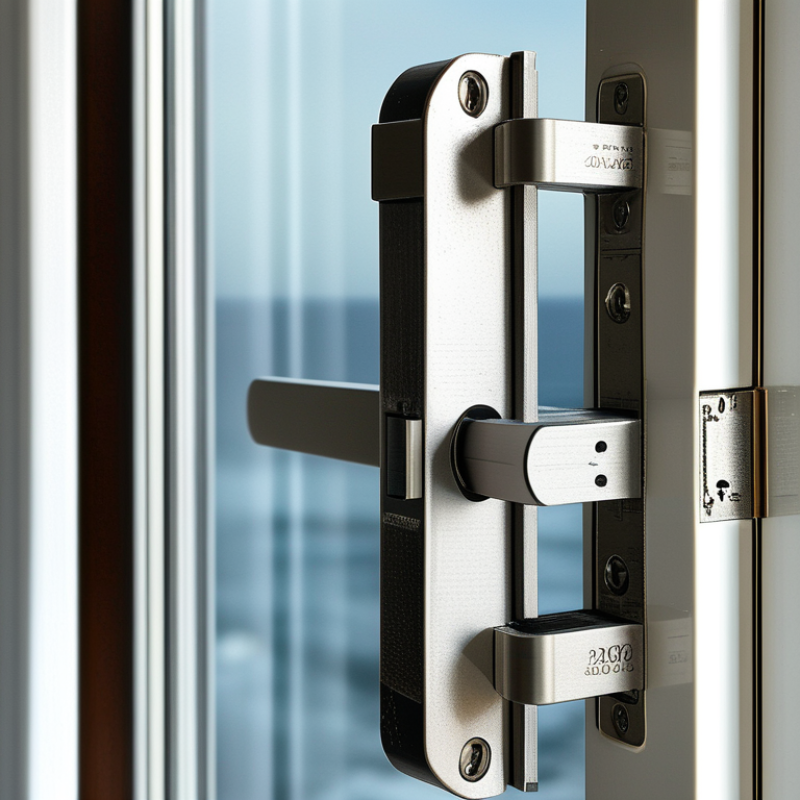
For global buyers, window hardware is a performance system, not a decorative accessory. Key products include handles, hinges, friction stays, multipoint locks, rollers, restrictors, and weather seals. Each component controls security, ventilation, operating force, or weather resistance.
32% The UNEP 2024 Global Status Report for Buildings and Construction reports that buildings consume about 32% of global energy.
Poorly adjusted hardware can increase air leakage and occupant discomfort.
In warm regions, friction stays and restrictors support controlled ventilation and safer night opening.
In cold or windy regions, multipoint locks and compression seals help maintain frame pressure.
Sliding windows need durable rollers, corrosion-resistant tracks, and adjustable locking points. A small alignment error can create visible gaps. It happens more often than product catalogues suggest.
The U.S. Department of Energy estimates that windows can account for 25–30% of residential heating and cooling energy use. This makes hardware selection relevant to energy performance, not only maintenance.
Buyers should request cycle testing, corrosion classifications, load data, and compatibility drawings. EN 13126 can guide hardware performance for windows, while local testing may still apply.
Salt exposure, dust, ultraviolet radiation, and installation quality can change results. A component proven in a laboratory may perform differently on a coastal construction site. Suppliers should therefore provide traceable test reports, replacement availability, and clear adjustment instructions.
Choosing window hardware suppliers for global projects requires more than comparing prices. Quality should be visible in the details. Request samples of handles, hinges, locks, and friction stays before approving a production order. Check surface coating thickness, screw alignment, movement smoothness, and resistance to repeated operation. A useful test includes opening and closing hardware thousands of times under realistic load.
Certifications need careful examination. Ask for the certificate number, issuing body, covered products, expiry date, and test standard. ISO 9001 may indicate controlled processes, but it does not guarantee durable hardware. Product testing should match the destination market and application. Confirm corrosion, load, fire, and cycle-test reports when relevant. Contact the laboratory independently. A certificate alone proves little.
Production capacity also deserves physical evidence. Review machine lists, monthly output, staffing, warehouse stock, and recent delivery records. Ask how the supplier separates approved materials from rejected batches. Traceability should connect a finished part to its raw material and inspection report. During a factory audit, inspect unfinished goods, packaging areas, and calibration labels. I have found that impressive showrooms can hide weak production control. No audit is flawless. Leave room for mistakes, and require corrective actions with clear deadlines. A small pilot order can reveal inconsistent dimensions, delayed communication, or unstable coating quality before a large shipment is committed.
A practical, brand-neutral evaluation matrix for comparing window and door hardware suppliers across quality, compliance, capacity, and export readiness.
| Supplier Profile | Primary Product Scope | Typical Materials | Relevant Certifications / Standards | Annual Capacity Benchmark | Typical Production Lead Time | Quality-Control Evidence to Request | Export Readiness | Evaluation Score |
|---|---|---|---|---|---|---|---|---|
| Profile A High-volume standard hardware |
Handles, espagnolette locks, friction stays, hinges, rollers, and multipoint locking components for uPVC and aluminium windows. | Zinc alloy, aluminium alloy, stainless steel, carbon steel, engineering plastics. | ISO 9001 quality-management system; applicable EN 13126 test requirements; REACH and RoHS declarations where required. | Approximately 1–5 million component sets per year, depending on product mix. | 25–45 days for repeat orders; tooling and new-product development commonly add 20–60 days. | Material certificates, coating-thickness reports, salt-spray results, dimensional inspection records, and lot traceability. | Suitable for container shipments; normally able to provide commercial invoices, packing lists, certificates of origin, and export packaging. | 88 / 100 |
| Profile B Architectural aluminium specialist |
Heavy-duty handles, concealed hinges, restrictors, door closers, threshold hardware, and hardware for thermally broken aluminium systems. | Extruded aluminium, stainless steel, ductile iron, zinc alloy, EPDM and polyamide components. | ISO 9001; ISO 14001 may support environmental procurement; EN 13126 and EN 1935 may apply by product category; CE documentation where a regulated finished product requires it. | Approximately 300,000–1.5 million sets per year, with higher capacity for repeat aluminium-system programs. | 30–55 days for standard products; 45–90 days for custom profiles, finishes, or system-specific components. | Profile and surface-finish inspection, functional-cycle testing, corrosion testing, torque testing, and first-article approval. | Strong fit for project-based exports; buyers should confirm packing standards for long extrusions and mixed-SKU containers. | 90 / 100 |
| Profile C uPVC system-hardware producer |
Tilt-and-turn hardware, rollers, locking mushrooms, corner drives, window handles, and replacement kits for uPVC profiles. | Galvanised steel, stainless steel, zinc alloy, glass-fibre-reinforced polyamide, and acetal components. | ISO 9001; EN 13126 series; EN 1670 may be relevant for corrosion resistance of building hardware; REACH and RoHS declarations for market access. | Approximately 500,000–3 million sets per year, subject to profile compatibility and automation level. | 20–40 days for established designs; 35–70 days for profile-specific tooling or new configurations. | Operating-force measurement, endurance-cycle records, locking-point alignment checks, plating inspection, and batch sampling plans. | Well suited to recurring wholesale programs; request multilingual installation sheets and SKU-level carton labels. | 87 / 100 |
| Profile D Custom and low-volume engineering supplier |
Custom handles, prototype hardware, special hinges, heritage-window fittings, small-batch locking parts, and replacement components. | Brass, stainless steel, aluminium, zinc alloy, mild steel, and engineered polymers. | ISO 9001 is desirable; product-specific EN 13126 or EN 1935 testing may be commissioned; material and chemical compliance documentation should be verified per destination market. | Approximately 10,000–300,000 pieces per year, depending on machining, casting, and finishing requirements. | 35–75 days for standard custom work; prototypes commonly require 15–40 days after approved drawings. | Approved drawings, first-article inspection, CMM or dimensional reports, hardness testing, finish samples, and engineering-change records. | Good for specialized projects; confirm export classification, packaging protection, spare-part availability, and minimum order quantities. | 82 / 100 |
| Profile E Premium finish and design-focused supplier |
Decorative handles, window stays, sash fasteners, premium pull handles, concealed fittings, and coordinated finish collections. | Solid brass, stainless steel, aluminium, zinc alloy, leather or timber accents, and protective polymer components. | ISO 9001 is preferred; EN 1670 corrosion classifications may be applicable; REACH and RoHS documentation should be available for relevant materials and finishes. | Approximately 50,000–500,000 pieces per year, with capacity constrained by finishing and inspection requirements. | 35–65 days for standard collections; custom finishes typically require an additional 10–30 days. | Colour and gloss measurement, adhesion testing, coating-thickness records, salt-spray testing, surface-defect inspection, and approved master samples. | Suitable for showroom, hospitality, and residential projects; verify consistency between production lots and replacement-finish availability. | 85 / 100 |
| Profile F Integrated high-capacity manufacturer |
Broad portfolio covering window handles, locking systems, hinges, rollers, door hardware, weather-sealing accessories, and private-label packaging. | Steel, stainless steel, aluminium, zinc alloy, brass, polyamide, POM, PVC, and EPDM. | ISO 9001; ISO 14001 and ISO 45001 may indicate broader management systems; EN 13126, EN 1935, EN 1670, REACH, and RoHS should be matched to the product and destination. | Approximately 3–15 million pieces or sets per year across multiple product categories. | 30–60 days for forecasted programs; peak-season schedules should be reserved 8–16 weeks in advance. | Incoming-material controls, automated process monitoring, laboratory testing, AQL inspection, product traceability, corrective-action reports, and periodic third-party audits. | Best suited to global distribution; confirm disaster-recovery planning, secondary tooling, container-loading controls, and continuity of supply. | 93 / 100 |
| Profile G Regional stock-and-distribution supplier |
Standard replacement handles, hinges, locks, rollers, restrictors, repair kits, and fast-moving maintenance hardware. | Zinc alloy, steel, stainless steel, aluminium, nylon, POM, and rubber sealing components. | Product-level declarations and test reports should be verified; ISO 9001 is beneficial but does not replace product compliance evidence. | Approximately 50,000–500,000 stocked pieces, depending on warehouse size and market coverage. | 1–10 business days for stocked items; 30–60 days for replenishment or non-stock products. | Supplier certificates, incoming inspection records, barcode traceability, packaging checks, warranty statistics, and return-rate data. | Fast delivery and local technical support; confirm whether the supplier is the legal manufacturer or a distributor. | 80 / 100 |
Check certificate validity, legal entity details, production-site ownership, sample consistency, inspection records, and references from comparable export markets.
Capacity is a benchmark range rather than a guarantee. Confirm available monthly capacity, utilization, tooling ownership, minimum order quantity, and peak-season allocation.
The applicable standard depends on the hardware type, building system, intended use, and destination market. Request product-specific evidence instead of relying only on a company-level certificate.
2026 Best Window Hardware Suppliers for Global Buyers
Comparing Pricing, Customization, Logistics, and After-Sales Support
Global buyers should compare total purchasing cost, not only the quoted unit price. A low price may exclude tooling, surface treatment, packaging, or inspection fees. Ask for a detailed quotation with currency, minimum order quantity, payment terms, and replacement policies. Small cost gaps become significant across a container.
Customization requires practical verification. Confirm drawings, material grades, coating thickness, screw positions, and compatibility with local window profiles. Request production samples before approving mass manufacturing. Details matter. In my experience, suppliers often confirm technical points verbally, but written specifications prevent costly disputes. However, customization can increase lead times and create unused tooling if demand is overestimated.
Logistics should cover production schedules, export documents, carton strength, and delivery responsibilities. A reliable supplier provides packing photos, loading records, and shipment updates. Still, forecasts are never perfect. Port congestion, material shortages, or holiday closures may change arrival dates. Buyers should keep safety stock for urgent projects.
After-sales support reveals operational maturity. Check response times, claim procedures, spare-part availability, and technical assistance across time zones. Ask how defective items are inspected and replaced. Some suppliers promise fast support but lack a clear process. That weakness matters. A trial order can expose communication delays, inconsistent labeling, or packaging damage before a larger commitment. Suppliers should also explain warranty limits in plain language, without hiding exclusions in dense documents.
Global buyer benchmark comparing non-branded supplier profiles across pricing competitiveness, customization capability, logistics readiness, and after-sales support. Scores are normalized from 0 to 100 using common international sourcing criteria; higher scores indicate stronger performance.
How to read the chart: Factory-direct manufacturers generally offer the strongest pricing and customization, while regional distributors and project integrators tend to provide better local logistics and after-sales support. Buyers should evaluate the balance between landed cost, technical requirements, delivery reliability, and service coverage.
Choosing window hardware suppliers in 2026 requires more than comparing catalog prices. Global buyers should match supplier strengths with project conditions, not chase one universal “best” option. A coastal developer may need corrosion-resistant handles, stainless fasteners, and documented salt-spray testing. A residential distributor may prioritize stable stock, packaging quality, and small minimum order quantities.
Request physical samples before signing a large contract. Test the lock, hinge, and operator on an actual window profile. Check screw alignment, surface finish, operating force, and noise after repeated cycles. Suppliers serving architects should provide accurate CAD files, finish samples, and installation guidance. Large manufacturers may offer lower unit costs, but smaller specialists can respond faster to custom dimensions. The difference matters.
Look beyond certificates. Ask how batch inspections are recorded, how complaints are handled, and who pays for replacement parts. Review lead times against your shipping route, seasonal demand, and customs documentation. A dependable supplier should explain tolerances clearly and report production delays early. Price alone is a weak filter.
No supplier is perfect.
Buyers should also inspect financial stability, communication speed, and technical support across time zones. A factory that answers quickly during sampling may become slower after payment. That risk deserves testing. Use a staged order, written specifications, and measurable acceptance criteria. Strong selection combines verified performance, transparent communication, and practical evidence from similar projects.