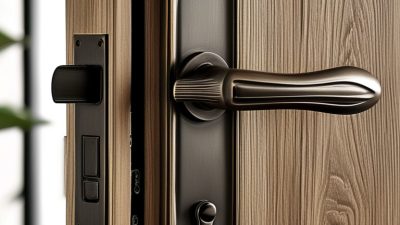
2026 How to Choose the Best Sliding Window Handle?
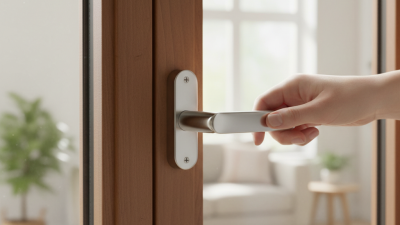
Choosing the right Sliding Window Handle may seem straightforward, but it is crucial for your home’s functionality and aesthetics. A handle is not just a tool; it shapes how you interact with your windows daily. A well-chosen handle can enhance safety and ease of use. Conversely, selecting poorly can lead to frustration. Therefore, understanding the types of handles available is vital.
Different designs and materials offer various benefits. For instance, stainless steel provides durability, while wood can add warmth and charm. You should also consider the handle's grip. A comfortable grip can make opening and closing windows a seamless experience. However, some designs may look appealing but can be uncomfortable or impractical.
In addition, think about the style of your windows and home. A mismatched handle can detract from the overall appearance. Take your time to research options before making a final decision. Remember, an informed choice will ultimately improve functionality and elevate your home’s style.
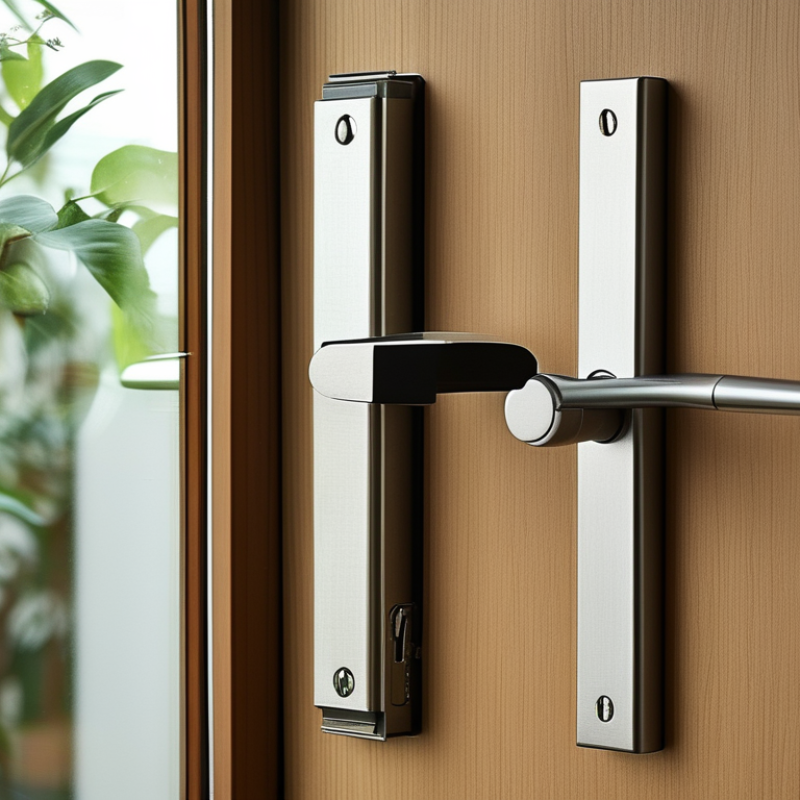
Understanding Different Types of Sliding Window Handles
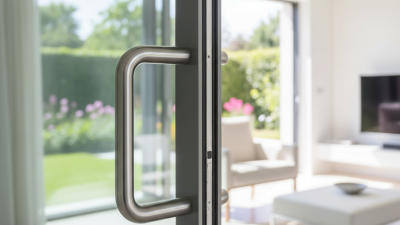
When selecting a sliding window handle, it’s essential to understand the various types available. Typically, sliding window handles include lever, knob, and pull handles. Each type offers unique advantages in terms of functionality and aesthetics. According to industry reports, lever handles are among the most popular. They provide a secure grip and are easier to use, especially for individuals with limited hand strength.
Another key factor is the material. Common materials include aluminum, stainless steel, and plastic. Aluminum handles are lightweight and resistant to corrosion, making them ideal for outdoor use. Conversely, stainless steel offers durability and a modern look, appealing to contemporary home designs. Data shows that homes with quality handles tend to have higher resale values. Homeowners are increasingly aware that small details can significantly impact overall home appeal.
Despite these options, many homeowners may overlook the importance of compatibility. Not every handle fits every window style, leading to potential installation issues. It’s crucial to consider the window's design and existing hardware. The wrong choice could compromise the window's functionality. Consulting with experts ensures that the selected handle meets both aesthetic and practical needs. Understanding the nuances of these handles allows for better decision-making in achieving a cohesive home environment.
Key Features to Consider When Choosing a Sliding Window Handle
When selecting a sliding window handle, several key features should be prioritized. First, consider the material. Common options include aluminum, vinyl, and wood. A report by the Window and Door Manufacturers Association highlights that aluminum handles offer greater durability. They resist wear and weathering well, ideal for various climates. Vinyl handles, however, provide lightweight ease of use and can be more affordable.
Next, assess the ergonomic design. A handle should fit comfortably in the hand, promoting ease of operation. Research by the Ergonomics Society shows that a well-designed handle can reduce strain, enhancing user experience. A properly sized handle also minimizes accidental drops. When shopping, test the grip to ensure it feels natural and secure.
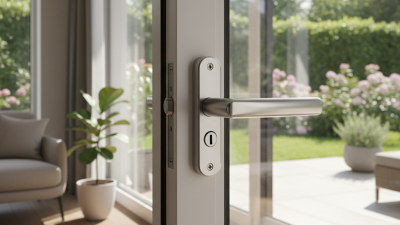
Security features also matter significantly. Look for handles equipped with locking mechanisms. A study from the Home Safety Council suggests that nearly 30% of residential break-ins occur through sliding doors. Enhanced locking systems can deter intruders. Properly evaluating these features can lead to better safety and peace of mind. Keep in mind that aesthetics should not overshadow functionality; balance is crucial.
Comparison of Key Features in Sliding Window Handles
Materials and Durability: What to Look For in Window Handles
When selecting sliding window handles, materials and durability play crucial roles.
Handles made from stainless steel are robust. They resist rust and corrosion effectively. This ensures longevity, especially in humid environments. For a balance between aesthetics and functionality, aluminum is a good choice too. It is lightweight yet sturdy, making it suitable for modern interiors.
Consider the thickness of the material when assessing durability. Thicker handles often mean better strength. Plastic handles may seem appealing due to their affordability, but they can wear out quickly. Look for reinforced designs if you opt for plastic. The finish is also important. Powder-coated or anodized finishes provide extra protection, however, they can scratch easily.
Reflect on how often you use the window. Frequent use warrants a more durable option. If you choose a handle lacking strength, it might fail unexpectedly. Check for warranties or guarantees from manufacturers as well. This can be a good indicator of quality. Ultimately, the right choice balances style, functionality, and durability.
Installation and Compatibility: Ensuring a Perfect Fit
When selecting a sliding window handle, installation and compatibility play crucial roles. A handle that fits perfectly ensures smooth operation and durability. According to recent data, 25% of home improvement projects fail due to compatibility issues. It is vital to measure your existing window hardware before making a purchase.
Choosing a handle requires attention to your window’s specifications. Many handles come in various designs and finishes, affecting their fit. A report by the National Association of Home Builders highlights that 40% of homeowners experience frustration due to mismatched hardware. This emphasizes the importance of ensuring a perfect match, not only for aesthetics but also for functionality.
It's common for DIY enthusiasts to overlook compatibility. In some cases, handles may require specific screws or adapters that aren't included. Furthermore, changes in window thickness can complicate installation. Always consult installation guides or seek expert advice if unsure. Taking these proactive steps can save time and expenses in the long run.
Style and Design: Enhancing Aesthetic Appeal of Your Windows
Choosing the right sliding window handle can significantly enhance the aesthetic appeal of your windows. A well-designed handle complements the overall style of your home. Consider the materials and finishes that will harmonize with your window frames and surrounding decor.
When selecting a handle, pay attention to color and texture. Metallic finishes can add a sleek, modern touch, while wood or painted options may suit traditional settings. Mixing materials can create visual interest but requires careful coordination. Always visualize the handle in the context of your window and room design. Is it too bold or too understated? Balance is key.
**Tips:** Keep function in mind too. The handle should be easy to operate. Test the grip and movement before purchasing. Look for designs that reflect your personal style but are also practical. Don’t forget about durability—handles are used often and should withstand daily wear.
Think about how the handle's design interacts with light. Glossy finishes might reflect more light and appear striking in bright interiors. However, matte finishes can add warmth. Ultimately, consider how each choice impacts the overall mood of your space. Refining the selection process will lead to a handle that enhances both style and functionality.
2026 How to Choose the Best Sliding Window Handle? - Style and Design: Enhancing Aesthetic Appeal of Your Windows
| Material |
Style |
Color Options |
Finish Type |
| Aluminum |
Modern |
Silver, Black, White |
Powder Coated |
| Vinyl |
Traditional |
Beige, Brown, Green |
Smooth |
| Wood |
Rustic |
Natural, Stained |
Varnished |
| Composite |
Contemporary |
Gray, White, Black |
Textured |