10 Single Point Lock Buying Tips for Global Buyers?
Choosing a Single Point Lock for an international project involves more than comparing prices online. Buyers must examine door thickness, backset, cylinder quality, corrosion resistance, fire-rating documents, and installation conditions. A lock that performs well in a dry showroom may struggle on a coastal warehouse door. Details matter.
Architectural hardware consultant Mark Berger often says, “The lock is only one part of the opening.” That practical view should guide every purchase. The door, frame, hinges, strike plate, fasteners, and daily users all affect security and service life. A strong Single Point Lock cannot compensate for a twisted frame or poorly aligned latch. This is where product experience becomes valuable. Measure the sample door. Test the key rotation. Check whether the latch fully enters the strike without force.
These ten buying tips are designed for global buyers managing different climates, suppliers, standards, and installation teams. They cover technical fit, material selection, supplier verification, packaging, spare parts, warranty terms, and delivery communication. Ask for drawings, test reports, and clear installation instructions. Confirm that claims match the actual model, not a similar photograph. That mistake happens.
Buying decisions are rarely perfect. A lower price can look attractive, yet replacement cylinders may be unavailable locally. A premium finish may also hide a weak internal mechanism. Pause and question assumptions. Reliable sourcing depends on evidence, field testing, and honest communication between the buyer, manufacturer, and installer. This guide offers a practical starting point, not a substitute for project-specific engineering or local compliance review.
Understanding Single Point Locks and Their Main Applications
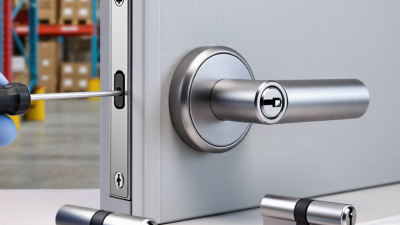
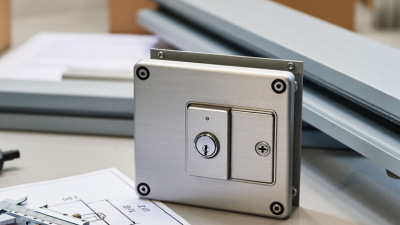
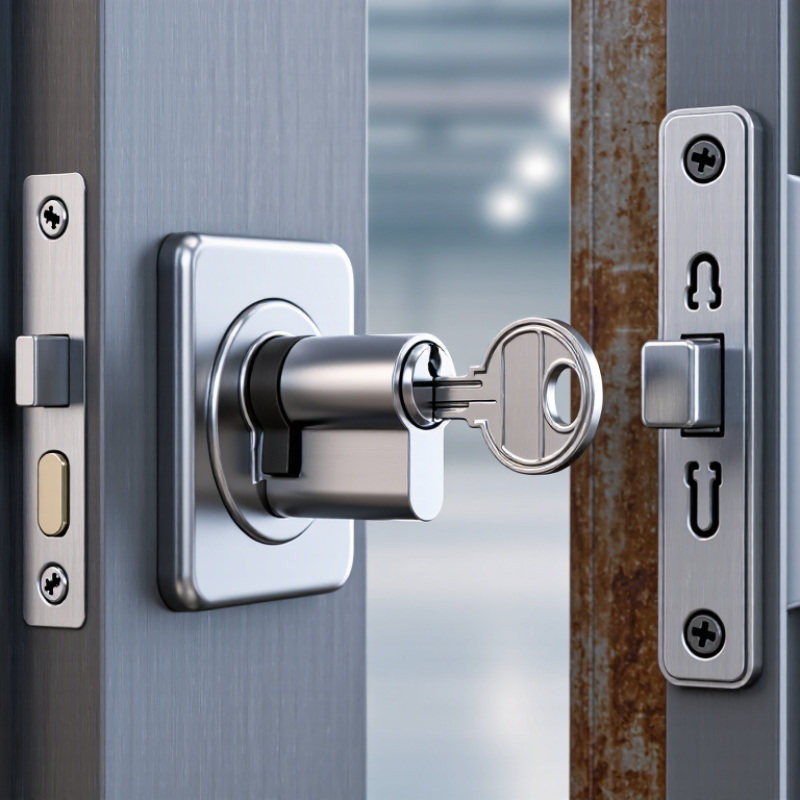
A single point lock secures a panel or door through one central latching point. Its compact design suits electrical enclosures, cabinets, lockers, access panels, and light-duty doors. Common versions use a quarter-turn handle, cam, key, or tool-operated insert. The correct choice depends on panel thickness, opening direction, and required access frequency.
In practical inspections, alignment matters more than appearance. A rigid cam should enter the frame smoothly without scraping. Stainless steel helps in humid or coastal areas, while plated steel may suit controlled indoor spaces. Check the lock body, sealing washer, and mounting nut together. A lock may look strong but still fail when the panel flexes. That detail is easy to miss.
Tip 1: Measure the panel thickness before ordering. Tip 2: Match the cam shape to the frame gap. Tip 3: Confirm the required sealing level for dust or water exposure. Buyers should also review temperature ranges, key control, replacement parts, and installation tools. A quarter-turn lock can save time during maintenance, but it may be unsuitable where repeated vibration loosens the fixing. I would not rely on product photos alone. Request drawings, material details, and sample testing when the application is critical.
Defining Door, Security, and Environmental Requirements
10 Single Point Lock Buying Tips for Global Buyers
Defining door, security, and environmental requirements prevents expensive ordering mistakes. A single-point lock must match the door’s material, thickness, handing, backset, and strike position. Measure the actual door, not only the catalogue drawing. The FBI’s Crime in the United States 2019 report recorded an estimated 1,074,552 burglaries in the United States. That figure does not prove a lock prevents burglary. It does show why resistance, correct installation, and frame strength deserve equal attention.
Tip: Check the complete door system. A strong lock cannot compensate for a weak frame or loose hinges. Request test evidence under relevant standards, such as EN 12209 or ANSI/BHMA requirements. Confirm cycle testing, corrosion resistance, and operating force. For coastal projects, specify suitable salt-spray testing. For cold regions, verify lubricant and cylinder performance below the expected minimum temperature.
Environmental details are easy to underestimate. The U.S. Department of Energy reports that air leakage can represent 25% to 40% of home heating and cooling energy use. Poor alignment may damage weather seals and increase drafts. The 2023 UNEP Global Status Report for Buildings and Construction also links buildings with 37% of global energy-related emissions. A durable lock supports maintenance efficiency, but it is not automatically a sustainable product. One uncomfortable question remains: does the supplier provide field data, or only laboratory claims? A certificate helps, but installation quality still decides much of the result.
Comparing Materials, Locking Mechanisms, and Compatibility
10 Single Point Lock Buying Tips for Global Buyers
Material choice affects service life more than catalogue photos suggest. Stainless steel handles humidity well, while zinc alloy can reduce cost and weight. For coastal projects, request corrosion evidence, not promises. ISO 9227 salt-spray testing helps compare finishes, but test hours do not perfectly predict field life. That part remains imperfect. A 2024 Grand View Research report valued the global door lock market at approximately USD 8.5 billion in 2023, reflecting strong demand across residential and commercial construction.
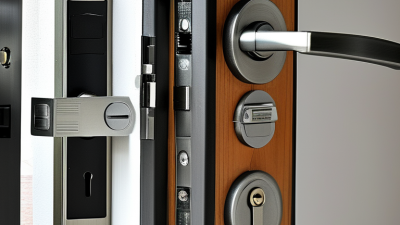
The mechanism must match the door’s daily use. A spring latch suits common interior doors, while a deadbolt provides stronger resistance against forced movement. Check cycle ratings, spindle shape, backset, and cylinder dimensions before ordering. ANSI/BHMA A156.13 and EN 12209 offer useful performance references for lock durability and operation. I always measure the existing mortise twice. Small errors become expensive during installation.
Compatibility also depends on climate, door material, and local fitting practice. Steel doors may require different strike plates than timber doors. Aluminum profiles often need narrower lock cases. Confirm door thickness, handing, fixing centers, and replacement availability. MarketsandMarkets has reported continued growth in architectural hardware demand, driven partly by renovation and infrastructure projects. That growth does not guarantee universal interchangeability. Ask for drawings, test reports, and sample units before approving bulk production. Try the lock in a real door. A spreadsheet cannot reveal a stiff latch.
10 Single Point Lock Buying Tips for Global Buyers
Comparing reference material density and yield strength for lock hardware selection
Stainless steel and brass are dense, durable choices for demanding environments, while aluminum provides a lower-weight option. Zinc alloy can offer a practical balance between casting flexibility and mechanical performance.
These are representative engineering values for common alloy families, not brand specifications. Actual lock performance also depends on the latch design, cylinder or cam mechanism, installation quality, door thickness, strike alignment, and required regional standards.
Before purchasing, verify the lock case dimensions, spindle or cam geometry, mounting-hole pattern, door thickness range, and compatibility with the intended security cylinder or access-control system.
Checking Global Standards, Certifications, and Supplier Quality
Global buyers should treat a single point lock as a tested safety component, not a low-cost metal assembly. Check whether the product matches the target market’s requirements, such as EN 12209 for mechanically operated locks or ANSI/BHMA standards for North American door hardware. Ask for current test reports, scope pages, and the exact model number. A certificate covering another product is not enough.
Tip: Verify the testing laboratory, certificate validity, and performance class. Confirm corrosion resistance, cycle testing, fire-door suitability, and operating temperature. ISO’s Survey 2023 recorded 1,265,216 valid ISO 9001 certificates across 189 countries and economies. However, ISO 9001 confirms a quality management system, not automatic lock performance. That distinction is often missed.
Supplier quality needs physical evidence. Request material specifications, dimensional drawings, batch records, and an inspection plan. A reliable supplier should explain how it controls latch travel, spring force, screw strength, and surface finish. Ask for production samples from different batches. One perfect sample proves very little. Factory audits can reveal basic issues, including mixed hardware bins or incomplete traceability. The uncomfortable truth is that many buyers check documents only after problems appear. I would also compare failure data, warranty claims, and corrective-action records, when available. Some suppliers may hesitate, but that hesitation itself deserves attention. Test the lock with the intended door, cylinder, strike, and installation tools. Small mismatches can create binding, noise, or premature wear.