Leave Your Message
AI Helps Write

How to Choose a Single Point Window Handle

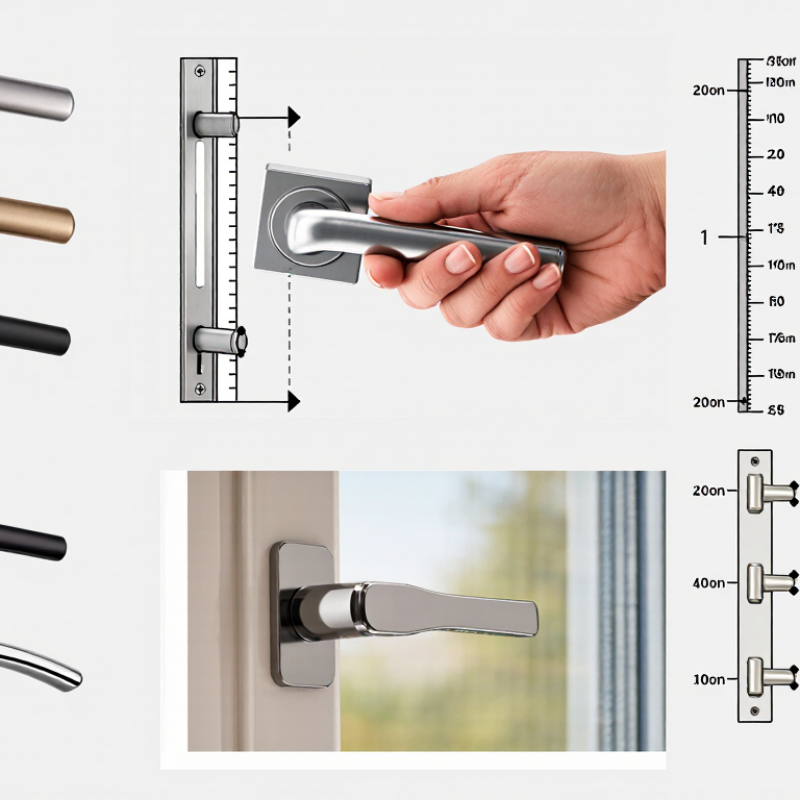
Choosing a Single Point Window Handle is not just a matter of matching its finish to a room. The handle must suit the window’s locking mechanism, spindle size, and opening direction. A mismatch can leave the handle loose or make the window difficult to secure. Fit comes first. Before ordering, compare the existing handle with the window and note its fixing points, spindle length, and any identifying details. A clear photo beside a ruler can help when asking a supplier for guidance.

Material and everyday use matter, too. A handle on a frequently opened kitchen window may need a sturdier feel than one used occasionally in a guest room. Check how comfortably it turns, whether its grip works for the people using it, and whether its finish can handle regular cleaning. Small details matter. Yet product descriptions do not always show how a handle feels in your hand, and measurements can be easy to misread. Take care.

This guide explains what to check before choosing a replacement or fitting a new handle. It covers compatibility, materials, finishes, security features, and practical installation considerations. Recommendations should always be checked against the window manufacturer’s specifications, especially when the locking system is unfamiliar. Not every choice has a perfect answer: appearance, budget, and ease of use may pull in different directions. A careful comparison can prevent an attractive handle from becoming the wrong one.

How to Choose a Single Point Window Handle

Understanding the Function of a Single Point Window Handle

How to Choose a Single Point Window Handle

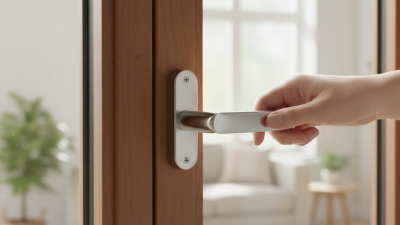
A single point window handle controls one locking point, rather than several points along the sash. Turning it moves a spindle or cam that engages or releases the latch. The handle is the control, not the whole lock. That distinction matters when replacing one. A new handle may fit the screw holes but fail to move the existing latch correctly.

Check how your window opens and where the latch sits. Measure the spindle length, screw-hole spacing, and distance from the handle base to the spindle’s center. Small differences can leave the latch short of engagement. Look at the old handle’s position when locked, too. On some windows, the handle must turn fully before the sash seals against the frame. It should feel firm, not forced. A stiff turn can indicate a worn mechanism or sash misalignment, not just a poor handle. Easy to miss.

Choose a grip that feels secure with wet or cold hands, and a finish suited to the room’s moisture and daily use. If the window is hard to operate, compare the old and new parts before assuming the handle is at fault. I would not rely on appearance alone; dimensions and latch movement tell more. A simple test is to operate the handle with the window open, then check whether the latch moves smoothly.

Identifying Window Types and Handle Compatibility

How to Choose a Single Point Window Handle
Identifying Window Types and Handle Compatibility

A single-point handle operates one locking point, but it does not fit every window. Identify how the sash moves before comparing handles. Casement and awning windows usually crank outward; sliding windows move horizontally, while tilt-turn windows open in more than one direction. The handle must suit both the window’s operating style and its lock.

Check the existing handle’s fixing-hole spacing, spindle shape and length, and handing. Measure the spindle from the handle’s base, not from its tip. A spindle that is too short may fail to engage the lock; one that is too long can obstruct operation. Also note whether the handle’s position changes when locked. Small details matter.

AAMA/WDMA/CSA 101/I.S.2/A440 classifies window types and performance, reinforcing that operating style is a key part of specification. The U.S. Department of Energy reports that heat gain and loss through windows account for about 25–30% of residential heating and cooling energy use. That figure is not a handle-performance rating, but it underscores why a window should close and lock correctly. I still double-check measurements; older windows can have nonstandard fittings. One detail is easy to miss: matching the handle’s appearance does not confirm compatibility.

How to Choose a Single Point Window Handle - Identifying Window Types and Handle Compatibility

Window type How to identify it Typical handle style Measurements to check Compatibility notes
uPVC or aluminium casement with espagnolette locking The handle turns a spindle connected to a gearbox; locking points engage around the sash when the handle is operated. Inline or cranked espagnolette handle, often with a key-locking option. Fixing-screw centres, spindle cross-section and length, handle orientation, and available clearance. A 7 mm square spindle and 43 mm fixing-screw centres are common, but not universal. Confirm both measurements and ensure the spindle engages the gearbox correctly.
Older casement with a cockspur lock A projecting nose on the handle closes over a wedge or striker fixed to the frame. Cockspur handle with a nose shaped to catch the frame-mounted wedge. Fixing-screw centres, nose length, step height, and the position and shape of the wedge. Step height determines how the nose reaches the wedge. Compare the existing handle and measure from the frame or handle base using the same reference points before ordering.
Tilt-and-turn window The sash can tilt inward for ventilation and swing inward for access, with handle positions controlling each mode. Multi-position tilt-and-turn handle, usually operating a perimeter locking mechanism. Fixing-screw centres, spindle size and length, handle position, and the gearbox’s required operating sequence. Some dimensions may resemble espagnolette handles, but that does not guarantee compatibility. Match the handle to the window’s gearbox and operating positions.
Timber casement with a traditional latch A lever or fastener engages a catch on the frame; many older designs do not use a modern espagnolette gearbox. Casement fastener, lever latch, or another handle made for the existing catch. Screw-hole positions, handle projection, catch location, and the direction in which the handle operates. There is no single standard for all traditional timber fittings. Check that the replacement reaches and secures the existing catch without obstructing the frame.
Vertical sliding sash window One or both sashes slide vertically in the frame rather than opening on side hinges. Sash lift, sash fastener, or sash lock, depending on the fitting and security function required. Mounting-hole spacing, screw type, fitting position, and the overlap between the meeting rails. A casement spindle handle is generally not the right replacement. Select a fitting designed for sliding sashes and check that it aligns with the meeting rails.

Before ordering: Photograph the existing handle and locking mechanism, measure the fixing centres and spindle or nose dimensions, and check whether the window opens left or right. Do not force a replacement handle if it does not engage smoothly.

Comparing Handle Materials, Finishes, and Locking Features

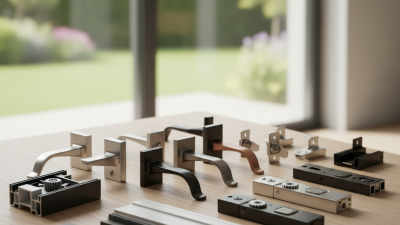
A single point window handle should feel solid without making the sash difficult to operate. Die-cast zinc is often affordable and sturdy for everyday use, while stainless steel offers better resistance to moisture near kitchens or coastal air. Aluminum is lightweight, but its strength and finish depend on the design. Check the spindle size and fixing positions against your window before choosing; a well-made handle can still be the wrong fit.

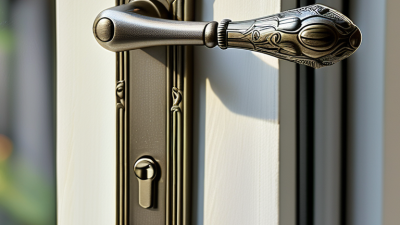
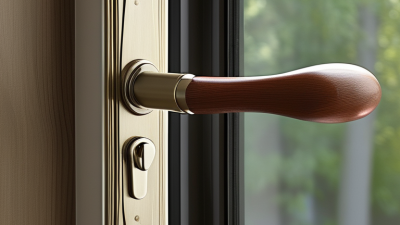
Finishes affect both appearance and upkeep. Powder-coated surfaces offer color choices and can hide small marks, while brushed metal tends to show fewer fingerprints than polished finishes. In a sunny room, compare a sample beside the frame, since indoor lighting can make colors look different. Feel the difference. I still find finish samples a little misleading when viewed alone, so check them in the actual room if possible. Wipe handles with a soft cloth and mild cleaner; abrasive pads may dull the surface.

Look closely at the locking feature, not just the handle shape. A key lock can help limit casual opening, while a push-button or integrated latch may be easier for frequent use. Confirm that the lock engages smoothly and that the handle’s position matches the window mechanism. Test it with the sash open, then closed, without forcing the lever. Small alignment issues matter. If the handle feels loose or catches, the cause may be worn hardware or poor alignment, not the material itself.

Checking Measurements and Installation Requirements

When choosing a single point window handle, measure the existing fitting before ordering a replacement. Check the distance between screw-hole centers, the spindle’s width and length, and the handle’s overall projection. A few millimetres can matter. If the old handle is worn or bent, its dimensions may not reflect the original fitting, so compare them with the window’s installation instructions where available. Also note whether the handle turns upward, downward, or both ways, and check that it clears the frame and nearby blinds.

Tips: Measure twice, using a ruler or caliper. Keep the old screws and handle nearby for comparison. Don’t force a spindle that seems too long; it may prevent the mechanism from operating smoothly.

Before installation, confirm that the replacement suits the window’s operating mechanism, not just its appearance. A handle that fits the screw holes may still have the wrong spindle length or orientation. Remove the old handle carefully, then fit the new one without overtightening the screws, which can damage the frame or distort the fitting. Test the movement with the window open, then closed. It should turn smoothly and engage as expected. If it catches, stop and recheck the measurements rather than assuming the mechanism will wear in.

Choosing a Handle for Durability and Ease of Use

A single-point window handle should turn smoothly without wobbling or needing a hard grip. Check the spindle length and fixing centers against the window before buying; a mismatch can leave the handle loose or prevent the lock from engaging. Look for a corrosion-resistant finish and a solid metal base, especially near kitchens or coastal air. Feel matters. A handle that feels stiff in a showroom may be harder to operate after years of dust and wear.

Durability is more than a heavy-looking lever. AAMA 910-16, an industry life-cycle testing specification for windows and sliding doors, uses repeated operating cycles to assess performance; 10,000 cycles is a useful benchmark when comparing test claims. Ask whether the handle itself was tested, or only the complete window assembly. That distinction is easy to miss. For everyday comfort, test the lever with a relaxed hand: it should turn through its full arc without scraping the frame, pinching fingers, or demanding a sharp wrist twist. EN 13126-3 also provides a recognized framework for assessing window-handle performance, including durability and corrosion resistance. Real wear still varies with installation, weather, and use, so test figures cannot promise identical service life in every home. I would check the fixing screws again after installation; a small amount of movement can become annoying fast.