A Sliding Window Crescent Lock is a small component with a demanding job. It must hold the sash firmly, support smooth operation, and resist loosening after repeated use. For global buyers, the right choice also depends on window profile, screw spacing, material quality, corrosion exposure, and installation skill.
The U.S. Department of Energy reports that windows can account for 25% to 30% of residential heating and cooling energy use. The 2023 Global Status Report for Buildings and Construction also states that buildings consume about 30% of global final energy. These figures do not measure crescent locks directly, but they show why proper sash closure matters. A weak lock can leave visible gaps, produce rattling, and undermine the window’s wider performance.
As window-hardware specialist Steve Williams explains, “A lock must pull the sash tight, not merely stop it.” That practical distinction guides this selection of seven products. Each option is considered through a buyer’s real checklist: closing pressure, zinc or stainless-steel construction, finish durability, compatibility, replacement simplicity, and supplier consistency. Details matter. A lock that feels solid in a showroom may still fail near a humid coastline or under daily commercial use.
There is no universal winner.
Some models offer stronger corrosion resistance. Others provide better value for standard aluminum windows. Product descriptions can also be incomplete, especially across international marketplaces. Buyers should verify dimensions, fixing-hole centers, spindle reach, and test samples before ordering large quantities. That extra step feels slow. It is usually cheaper than replacing hundreds of mismatched locks.
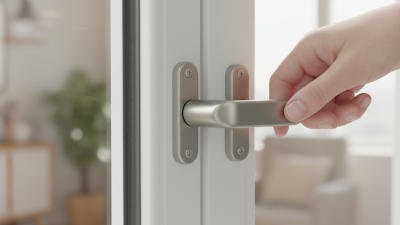
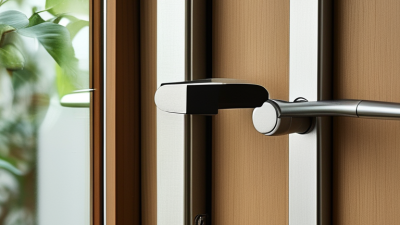
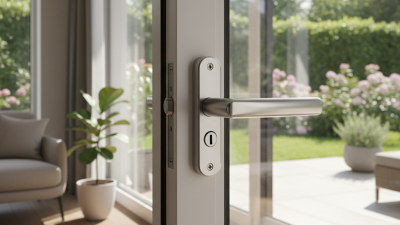
Sliding window crescent locks are compact hardware pieces that secure one sliding window panel against its fixed frame. Their curved, crescent-shaped body gives the mechanism its familiar name. Unlike key-operated locks, they usually work through a simple rotating handle.
When the handle turns, the crescent rotates behind the window frame or keeper. This movement creates a physical barrier, stopping the panel from sliding sideways. Turning the handle back releases the barrier and allows normal opening. The lock’s holding strength depends on accurate alignment, solid screws, and a properly fitted keeper.
In practical installation, measure the frame depth and handle position before choosing a replacement. A lock that looks suitable may still leave a small gap. That gap can reduce security and allow unwanted movement. I have found that loose frames often cause more trouble than the lock itself. Check for worn rollers, distorted tracks, and damaged mounting holes.
Materials also matter for global buyers. Corrosion-resistant metal suits humid coastal areas, while coated steel may work well in ordinary indoor conditions. Some models fit narrow frames; others need greater clearance. Installation is usually straightforward, but forcing mismatched hardware can crack a vinyl frame. It is better to test the handle gently several times before tightening every screw.
When comparing the seven best sliding window crescent locks, start with fit and movement. Measure the window rail, screw spacing, and lock clearance. A crescent lock should close smoothly without forcing the sash. Small gaps can reduce security and allow drafts. They matter.
Material is equally important. Zinc alloy offers strength and a clean finish, while stainless steel handles humid coastal conditions better. Check the plating quality, not only the color. Thin finishes may wear around the screw holes after repeated use.
I have seen attractive locks corrode quickly in poorly ventilated rooms.
Examine the locking hook, base thickness, and adjustment range. A wider adjustment range helps global buyers manage different window profiles. The fasteners should match the frame material and include clear installation guidance. Some products provide vague instructions. That is a weakness.
Test the lock with gentle pressure after installation, then inspect whether the sash remains aligned. Smooth operation, firm engagement, and consistent tolerances are practical signs of reliability.
Buyers should also compare salt-spray information, temperature limits, packaging protection, and available replacement parts. A lock may look secure but fail when screws strip or the hook bends.
Independent test reports and applicable regional safety standards deserve more weight than promotional language.
No option wins every condition. My own comparison process would give extra attention to climate, usage frequency, and the installer’s skill.
Choosing the right crescent lock starts with the window, not the product photo. Horizontal sliding windows usually need a lock that grips the moving sash and meets a fixed keeper. Measure the sash thickness, frame depth, screw spacing, and keeper position. Measure twice. A few millimeters can decide whether the latch closes smoothly.
Aluminum frames often require compact locks with short screws, while vinyl frames may need broader mounting plates and careful screw placement. Wooden sliding windows usually accept deeper fasteners, but old timber can split near the edge. For double-hung windows, check whether the crescent lock suits the upper and lower sash arrangement. Some designs are handed, so confirm the closing direction before ordering. Fit matters.
Global buyers should also inspect the operating environment. Coastal air, heavy rain, and high humidity can attack untreated metal quickly. Choose corrosion-resistant materials and test the lock against the existing keeper. The latch should close without force, while the sash should remain aligned under light pressure. Small gaps matter. I have seen secure-looking installations fail because the keeper sat slightly too high. This is an easy mistake to miss.
Compare metric and imperial measurements, especially when replacing an older lock. Check screw length carefully; overly long screws may damage hidden channels or glass. Installation instructions are useful, but they cannot replace a physical fit test. Local safety requirements may also differ, so buyers should verify applicable window-security standards before purchase.
How to Choose the Right Lock for Different Window Types
The chart compares common window-lock mechanisms using an indicative 1–5 suitability index based on compatibility with typical sliding, single-hung, double-hung, casement, and aluminum-frame windows. Actual performance depends on frame dimensions, sash clearance, material, installation quality, and local safety requirements. Confirm the lock size and mounting method before purchase.
7 Best Sliding Window Crescent Locks for Global Buyers
Installation, Adjustment, and Maintenance Considerations
Sliding window crescent locks perform best when fitted to a clean, aligned frame. Measure the sash overlap before choosing one of the seven options. The lock should sit firmly without forcing the window closed. Use screws that match the frame material and avoid overtightening them. Aluminum frames can strip easily. Timber frames may need pilot holes. Check the latch movement several times after installation. It should engage smoothly, without scraping or rattling.
Adjustment often solves problems that appear to be hardware failures. Loosen the mounting screws slightly, reposition the lock, and test the handle again. A small shift can improve compression around the seal. I once tightened a lock too quickly and created uneven pressure across the sash. That mistake was avoidable. Climate also matters. Humidity can swell timber, while cold conditions may shrink seals. Buyers serving different regions should check seasonal movement before final adjustment.
Tips: Clean dust from the latch every few months. Apply a small amount of suitable lubricant, not household cooking oil. Inspect loose screws, cracked plastic, and metal corrosion. Test the lock from inside and outside the room. If the window still binds, check the frame alignment before replacing the crescent lock. Keep installation records for future maintenance. Small notes help, though many installers forget them.
| Rank & Lock Configuration | Best Use | Typical Materials | Typical Sash Thickness | Adjustment Range | Installation Method | Security Characteristics | Maintenance Considerations | Global Buyer Notes |
|---|---|---|---|---|---|---|---|---|
| 1. Adjustable Surface-Mount Crescent Lock | General-purpose aluminum sliding windows | Die-cast zinc body with plated steel or stainless-steel fasteners | Approximately 1.0–3.2 mm for the receiving surfaces | Usually 3–8 mm through a slotted keeper or movable hook | Surface-mount with two machine screws or self-tapping screws; pilot holes are normally required | Adjustable engagement helps compensate for minor sash or frame misalignment | Tighten screws periodically; remove oxidation and apply a small amount of dry lubricant to moving joints | Confirm screw thread, hole spacing, finish, and corrosion resistance for the destination climate |
| 2. Stainless-Steel Crescent Lock | Coastal, humid, or high-salt environments | Stainless steel body and keeper; common grades include 304, with 316 preferred for severe marine exposure | Approximately 1.0–3.5 mm | Normally 2–6 mm depending on the keeper slot design | Two-screw surface installation; use compatible stainless fasteners to reduce galvanic corrosion | Good resistance to rust when the correct steel grade and finish are selected | Rinse salt deposits with fresh water, dry thoroughly, and inspect for tea staining or dissimilar-metal corrosion | Material grade should be verified rather than inferred from a “stainless” description |
| 3. Low-Profile Crescent Lock | Narrow meeting rails and windows with limited clearance | Zinc alloy or stamped steel body with a coated or stainless keeper | Approximately 0.8–2.5 mm | Typically 2–5 mm; less than a standard deep-body lock | Surface-mount after checking handle clearance and sash overlap | Reduced projection lowers the chance of interference with screens, curtains, or adjacent sashes | Keep the shallow hook and keeper free of paint, grit, and accumulated debris | Measure the available clearance before ordering; low-profile designs generally offer less adjustment |
| 4. Dual-Screw Heavy-Duty Crescent Lock | Large, frequently used, or heavier sliding sashes | Reinforced die-cast zinc or steel body with hardened or stainless fasteners | Approximately 1.5–4.0 mm | Usually 3–8 mm, depending on the keeper and mounting slots | Two spaced mounting screws distribute load; use a backing plate where the frame is thin | Improved resistance to twisting and loosening compared with a single-point mounting design | Check screw tightness and frame distortion; do not overtighten and deform thin aluminum rails | Verify the frame can accept the screw spacing and that the lock does not obstruct sash travel |
| 5. Keyed Crescent-Style Lock | Rooms requiring controlled opening or an additional deterrent | Zinc alloy or steel housing with a cylinder, steel cam, and plated or stainless components | Approximately 1.0–3.5 mm | Commonly 2–6 mm at the keeper or cam engagement point | Surface-mount; align the cam carefully before tightening the mounting screws | Key control can limit casual opening, but it is not a substitute for a tested complete window assembly | Use a lock-specific graphite or dry PTFE lubricant if permitted by the cylinder design; avoid forcing a stiff key | Check local emergency-egress requirements before using a keyed lock on bedrooms or escape routes |
| 6. Child-Resistant Crescent Lock | Homes, schools, and care facilities where opening control is important | Zinc alloy or steel lock body with a reinforced keeper and concealed or guarded release feature | Approximately 1.0–3.0 mm | Normally 2–5 mm; exact adjustment depends on the release mechanism | Install to the manufacturer’s template and test the restricted opening distance after fitting | Designed to discourage simple operation by children; product-specific safety testing should be confirmed | Test the release regularly, keep the mechanism clean, and replace damaged parts promptly | Window-fall prevention and emergency escape rules vary by jurisdiction and must be checked locally |
| 7. Retrofit Crescent Lock with Slotted Keeper | Replacement projects where existing screw holes or sash alignment are imperfect | Coated steel or zinc alloy body with a slotted steel keeper | Approximately 0.8–3.2 mm | Often 5–10 mm through the elongated keeper slot | Reuse sound holes where possible; otherwise drill pilot holes and use suitable screws for the frame material | Broad adjustment range helps restore engagement on older or slightly settled windows | Inspect worn slots and loose screws; replace the keeper if the hook no longer seats fully | Measure the existing lock footprint, screw centers, hook height, and sash overlap before purchase |
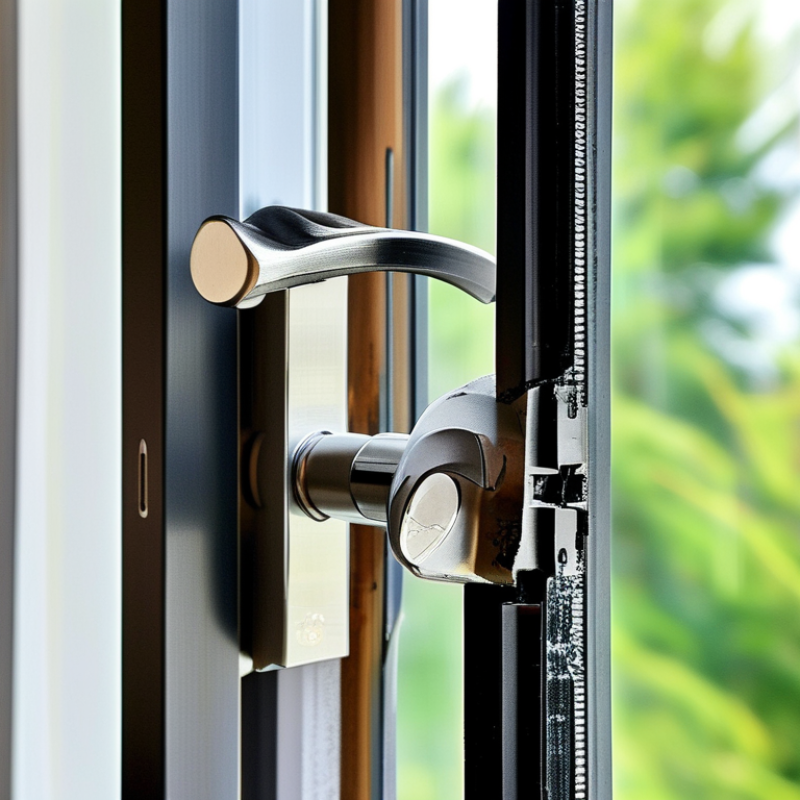
For global buyers, the best crescent lock is not always the cheapest option. Material choice affects strength, corrosion resistance, and service life. Zinc alloy suits many indoor windows, while stainless steel performs better in humid coastal areas. Reinforced polymer can reduce weight, but its long-term stability needs careful testing. Check the screw material too. A strong lock with weak screws still creates a poor installation.
Standards can differ between markets. Ask suppliers for dimensional drawings, load-test records, coating details, and inspection reports. Confirm compatibility with your window profile before ordering. Useful checks include salt-spray resistance, repeated-cycle testing, sharp-edge control, and restricted-substance declarations. Documents matter. However, paperwork alone is not proof of quality. I have seen attractive samples fail after uneven fitting, so independent pre-shipment inspection remains worthwhile.
Tips: Request three production samples, not one. Measure the base, spindle position, and mounting holes. Compare test results with your destination market’s requirements. Ask whether the supplier can maintain the same alloy, finish, and dimensions across batches. A reliable supplier should explain tolerances clearly, share traceability records, and provide realistic lead times. Be cautious when answers sound perfect. Some suppliers promise universal compatibility, yet small profile differences can cause loose locking or difficult operation. A short trial order may reveal problems that a polished catalog hides.