How to Choose the Right Window Hardware for Your Projects?
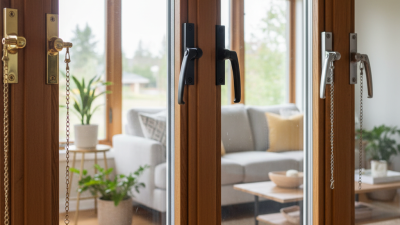
Choosing the right window hardware is crucial for any project. Window hardware impacts both functionality and aesthetics. Proper selection can elevate the overall design and ensure durability.
Consider the variety of window hardware available. From hinges to locks, each piece serves a specific purpose. Think about the architectural style of your building. The hardware should complement this style while meeting your practical needs.
It's easy to overlook details in window hardware. However, small choices can affect overall safety and performance. Take time to explore options. Experiment with finishes and materials. Reflect on how often you will use the windows. Your daily experience can guide your selection process. Making informed choices leads to lasting satisfaction.
Understanding Different Types of Window Hardware Available
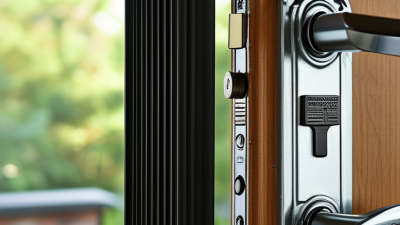
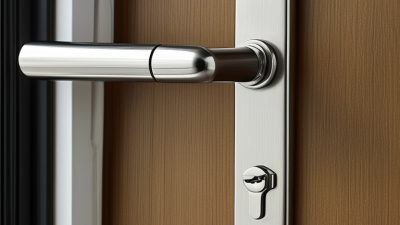
Choosing the right window hardware may seem simple, but it’s a task that demands careful consideration. Window hardware comes in various types, and each serves a specific purpose. Hinges, locks, and handles are common components that influence both functionality and aesthetics. For instance, sturdy hinges ensure that windows open and close smoothly, while locks enhance security. Durable materials, like stainless steel or brass, can significantly affect the longevity of these components.
Beyond basic functions, window hardware also impacts energy efficiency. Weatherstripping, for example, plays a vital role in minimizing drafts. A well-sealed window can lead to lower heating and cooling costs. Additionally, selecting the right finish can inspire or clash with your overall design. Matte, gloss, or textured finishes can entirely change the appearance of your windows.
It's not just about functionality; the details matter. You might find that a stylish handle adds elegance but is less practical for daily use. Evaluating your needs is crucial. Do you prioritize design, security, or energy efficiency? Reflect on these questions. Engaging with different hardware options allows you to better understand your choices and avoid common pitfalls in window hardware selection.
Evaluating Material Options for Durability and Aesthetics
Choosing the right window hardware requires careful consideration of material options. Different materials offer varying levels of durability and aesthetics. For instance, stainless steel is known for its strength. It resists corrosion and maintains its appearance over time. However, it can be more expensive compared to other options, leading to budget concerns.
Wood offers a classic look but may require more maintenance. It can warp or rot if not properly cared for. Consider your climate when choosing wood. In humid conditions, wood may not be the best choice. Some find that synthetic materials provide a good balance, offering durability without the upkeep issues of wood.
When selecting materials, think about the overall design of your space. Modern designs often favor sleek metal finishes, while traditional styles may benefit from ornate wooden hardware. Durability also matters. Heavy-duty options won’t just hold up better; they maintain functionality for years. Reflect on the long-term implications of your choice. Choosing the right material can save you time and money in the future.
Assessing Functionality and Operation for Specific Project Needs
Choosing the right window hardware involves more than just aesthetics. Functionality is key in ensuring that your windows operate smoothly. Consider the specific needs of your project first. Are you working on a residential space that demands easy accessibility? Or a commercial building needing durability? These questions shape your selection process.
Different types of window hardware offer varied functionalities. For instance, casement windows often require cranks for opening, while sliding windows need smoother tracks. The operation method impacts usability significantly. If a window is hard to open, it may remain closed more often than not, defeating its purpose. Reflect on who will use the windows and how frequently.
Sometimes, ideal selections might not be feasible due to design constraints or budget limits. In such cases, it’s essential to explore alternatives that balance function and cost. A knowledgeable professional can provide insights on materials and designs that meet both your operational needs and budgetary restrictions. Think critically about every element you choose, ensuring that it meets your project's requirements effectively.
Compatibility with Window Styles and Architectural Design
Choosing the right window hardware is crucial for any architectural project. Compatibility with window styles is essential. Selecting hardware that complements the design can enhance both functionality and aesthetics. A study by the American Institute of Architects reports that windows play a significant role in building energy efficiency and aesthetic appeal.
When considering window styles, it is vital to match hardware to the architectural design. For instance, modern homes often benefit from sleek hardware, while traditional designs may require ornate fittings. Incompatible choices can disrupt the overall look and cause issues like misalignment and poor insulation. In fact, improper hardware selection can lead to a 10-15% decrease in energy efficiency, as found in recent engineering reports.
Consider the following tips. Always take precise measurements before selecting hardware. This helps ensure a seamless fit with the chosen window style. Also, think about the material of the hardware. For historical designs, brass or bronze provides authenticity. In contrast, galvanized steel may suit industrial-style windows better. A thoughtful approach can prevent unnecessary headaches during installation. Remember, overlooking these details can lead to regrets down the line.
Budget Considerations and Cost-Effective Hardware Solutions
Choosing the right window hardware can greatly impact your budget. It’s essential to prioritize cost-effective solutions without compromising quality. Seek options that combine durability with affordability. For instance, consider materials like stainless steel or aluminum. They often provide a balance between cost and longevity. Avoid overly expensive finishes that could inflate your project costs unnecessarily.
Assessing your project requirements is crucial. Determine the volume of hardware you need and the specific functions. Bulk purchasing can lead to significant savings, but only if you choose wisely. Sometimes, cheaper options falter in performance over time. Evaluate the long-term benefits of more reliable hardware.
Additionally, think about installation costs. Some hardware demands professional installation, driving up expenses. Choose solutions that allow for easier, DIY installation whenever possible. This not only lowers costs but also gives you greater control over your project timeline. Reflect on your priorities and adjust choices accordingly. Balancing affordability with quality often involves tough decisions, but informed choices can lead to gratifying outcomes.
Window Hardware Cost Analysis
This bar chart illustrates the average costs of various window hardware components. Understanding these costs can aid in budget considerations for your projects.