China Top Single Point Lock Manufacturers for Global Buyers
Choosing a Single Point Lock is not merely a matter of comparing prices or finishes. For global buyers, the practical questions are closer to the workshop floor: Does the latch align cleanly with the strike plate? Does the handle turn smoothly after repeated use? Can the lock suit the door’s material, thickness, and intended setting? Small mismatches can become daily frustrations. A polished catalogue image cannot answer every question.
Security technologist Bruce Schneier has said, “Security is a process, not a product.” That principle also matters when evaluating lock suppliers. Buyers should examine documented specifications, material details, production consistency, sample quality, and after-sales communication—not rely on broad claims alone. This guide introduces China-based Single Point Lock manufacturers through a buyer-focused lens, highlighting product range, customization, quality checks, and export readiness. Details matter. A sample that works once is not proof of long-term durability; that distinction is easy to overlook. The right supplier depends on the project, and no manufacturer is a perfect fit for every door or market.
Understanding Single Point Locks and Their Core Functions
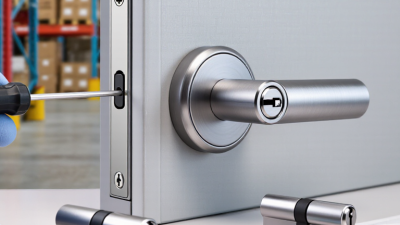
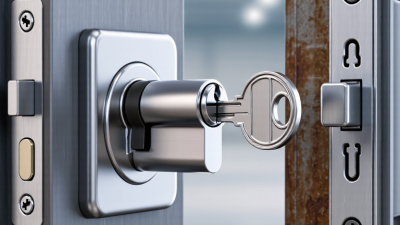
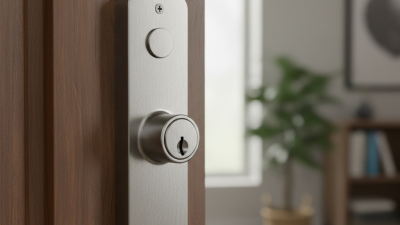
A single point lock secures a door at one main location, usually where the latch or bolt enters the strike plate. Its job is simple: keep the door closed and resist ordinary pulling or pushing. A keyed cylinder, thumb turn, or handle may operate the mechanism.
On a sample door, check that the bolt extends fully and meets the strike without scraping. Small misalignment matters.
The lock is only one part of the door assembly. Door material, frame strength, strike-plate attachment, and installation all affect performance. A strong cylinder cannot compensate for a loose frame. Nor does “single point” automatically mean weak; it describes the locking points, not a tested security grade. Buyers should compare applicable test standards and confirm the lock suits the door’s thickness and use.
Fit comes first.
Market context is useful, but not proof of product quality. Grand View Research estimated the global smart-lock market at USD 2.91 billion in 2023 and forecast a 19.6% compound annual growth rate through 2030. That report concerns smart locks, not every mechanical single-point lock, so the figures should not be applied directly. Still, they show rising interest in connected access.
A plain lock may be enough. Sometimes, though, I would question whether one locking point fits a tall or frequently used door.
Common Single Point Lock Types and Applications
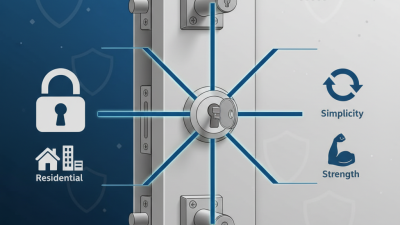
Single point locks remain practical for interior doors, cabinets, light commercial entrances, and low-traffic utility rooms. Their design uses one primary locking position, making installation and maintenance relatively simple.
Common types include
cylindrical locks,
mortise locks,
rim locks, and
tubular deadbolts.
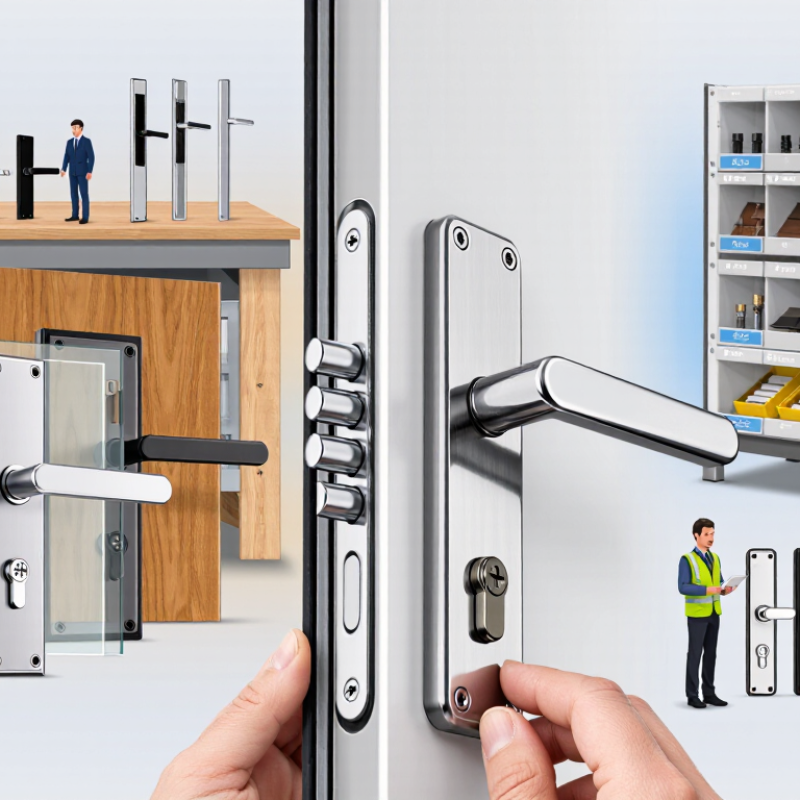
Cylindrical locks suit offices and residential rooms because they install quickly through a bored door. Mortise locks fit thicker doors and provide a stronger, more stable case inside the door edge. Rim locks work well on older timber doors, while tubular deadbolts offer focused security for storage rooms and private entrances.
ANSI/BHMA A156.2 covers bored and preassembled locks, helping buyers compare durability and operating performance. Grand View Research’s door-lock market study estimated a 6.9% compound annual growth rate through 2030. That growth reflects broader demand, but single point locks still depend heavily on correct door alignment. This detail is often underestimated.
Tips:
Match the lock body to door thickness and backset. Check corrosion resistance for coastal projects. Ask for cycle-test results, key control details, and installation drawings. A cheaper lock may create higher service costs later. In my experience, catalog descriptions can hide compatibility problems. Sample testing is wiser than trusting photographs alone. For global buyers, confirm cylinder standards, packaging language, spare-part access, and third-party inspection records before placing volume orders.
Materials, Performance Standards, and Quality Factors
For global buyers comparing single point locks from Chinese manufacturers, material choice should match the door and its exposure. Zinc-alloy cases can reduce cost and weight, while stainless-steel components suit damp or frequently handled areas. Check the bolt, spindle, spring, and finish separately; a polished faceplate does not prove the internal parts are durable. ANSI/BHMA A156.13 evaluates mortise locks by grade, including cycle testing. Its Grade 1 endurance benchmark is 1 million cycles. Confirm that the quoted test applies to the exact lock model, not a similar product.
Performance also depends on installation. A deadbolt that misses the strike by a few millimeters may bind, even when its test results look strong. Ask for the test report, grade, sample identification, and test laboratory. For corrosion claims, ASTM B117 describes salt-spray testing, but it does not set one universal pass level. Request the exposure duration and acceptance criteria. These details matter. I would still inspect production samples; paperwork alone can miss rough edges, loose screws, or uneven plating.
Tips: Compare the lock’s tested cycle grade with expected daily use, then check bolt extension and strike alignment on the actual door. Request material specifications and finish test results in writing. Small differences matter. A supplier’s sample may be carefully finished, so buyers should also review inspection records from regular production batches.
How to Evaluate Single Point Lock Manufacturers in China
China Top Single Point Lock Manufacturers for Global Buyers
How to Evaluate Single Point Lock Manufacturers in China
Evaluating a single point lock manufacturer takes more than comparing prices. Ask for drawings, material specifications, and details about corrosion protection. Check whether the lock suits your door thickness, backset, and operating direction. A sample can reveal loose handles, rough key turns, or uneven bolt travel. Test it repeatedly, not just once. Ask how production batches are inspected and how defects are recorded. Clear answers matter.
Tips: Request a sample and a written specification sheet. Compare the same dimensions and finish across quotations. Ask about lead times, packaging, spare parts, and quality checks. If a supplier cannot explain its inspection process, pause before ordering. Small details count.
Factory visits or live video walkthroughs can help you verify equipment and assembly steps. However, a polished showroom does not prove consistent production. Ask to see a routine work area and recent inspection records, while respecting confidentiality. Check whether test results identify the tested model and method. One weakness in my own evaluation would be relying too heavily on a single sample; production quality can vary. Use documented criteria, and keep communication in writing.
China Single Point Lock Manufacturers: Evaluation Criteria for Global Buyers
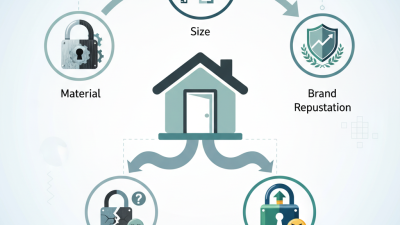
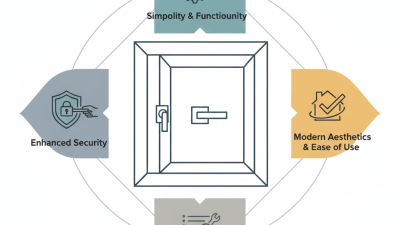
A practical framework for comparing manufacturers. The percentages are suggested buyer-assessment weights, not measured market data or ratings of specific companies.
Use these criteria to structure supplier due diligence: confirm product specifications and material traceability, review relevant test reports and quality processes, assess production capacity and delivery performance, and verify export documentation and after-sales support. Adjust the weights to match your project requirements.
Export, Customization, and Sourcing Considerations for Global Buyers
China Top Single Point Lock Manufacturers for Global Buyers
Sourcing single point locks from China requires more than comparing unit prices. Buyers should share the door material, lock dimensions, handing, finish, and expected operating conditions before requesting a quotation. A clear drawing can prevent costly misunderstandings about hole positions or spindle length. Ask whether the quoted model has been tested on a door similar to yours. Results may vary with installation and use.
Export details matter, too. Confirm the packing method, carton markings, lead time, and documents needed for your destination before placing an order. For customized locks, agree on sample approval, keying requirements, surface finish, and acceptable dimensional tolerances in writing. Check production samples against the approved specification. Small changes can be easy to miss.
Tips: Request a pre-production sample, then test fit and latch operation on your actual door setup. Keep one approved sample for comparison during production. It takes extra time, but skipping this step can create avoidable rework. Ask suppliers how they inspect finished locks and how they handle defects; a vague answer deserves a follow-up.