China Best Sliding Window Crescent Lock Suppliers?
Choosing a China-based supplier for a Sliding Window Crescent Lock takes more than comparing prices. The lock may look simple, yet its fit, finish, and movement affect everyday window use. A buyer should examine alloy or stainless-steel options, dimensions, surface treatment, screw placement, and compatibility with the intended window profile. Small details matter. A few millimeters can change how securely the latch engages.
This guide explores how to assess suppliers, request samples, and compare product specifications without relying on catalog photos alone. Ask for clear drawings, material details, packaging information, and documented inspection procedures. Where available, review relevant test reports and confirm what they actually cover. A factory’s stated capabilities are useful, but they should be checked against samples and production records. A polished catalog is not proof of consistent quality. That uncertainty matters. Buyers should also discuss minimum order quantities, lead times, customization, and how defects are handled before placing an order. No checklist catches everything, and supplier information can change. Still, careful questions and direct sample evaluation help narrow the field. The aim is not simply to find the lowest quote, but to identify a dependable partner whose crescent locks suit the window design and expected use.
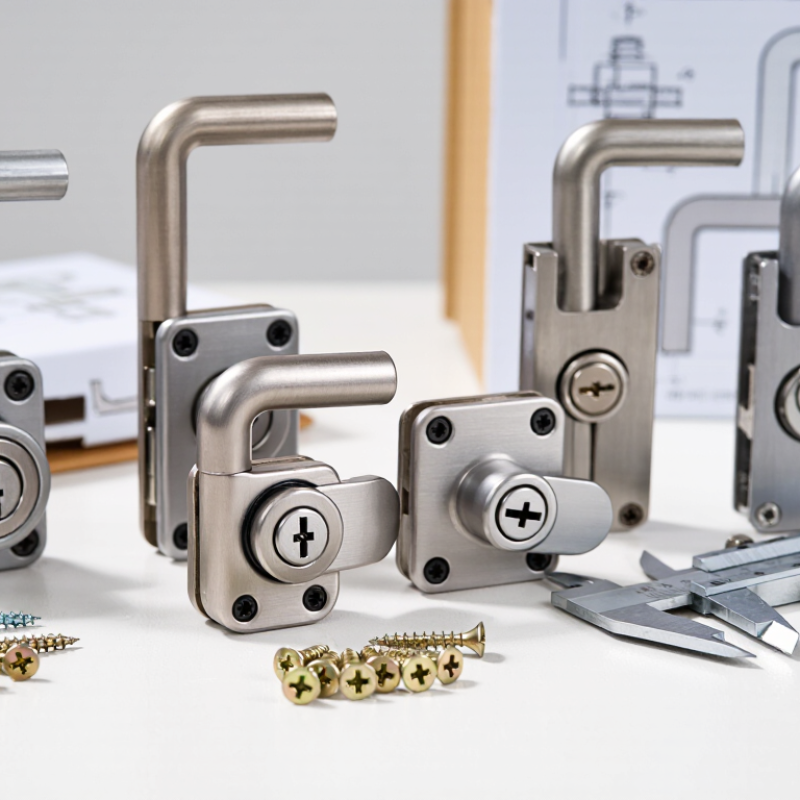
Define Crescent Locks and Their Role in Sliding-Window Security
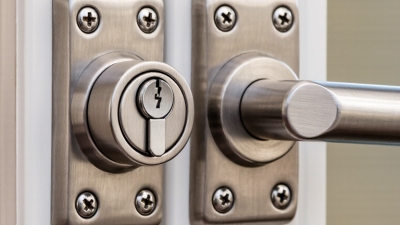
A crescent lock is a compact latch used on many sliding windows. Its curved arm rotates into a matching keeper on the meeting rail, holding the sash closed. When fitted correctly, it helps resist sliding and casual tampering. Small part. Important job.
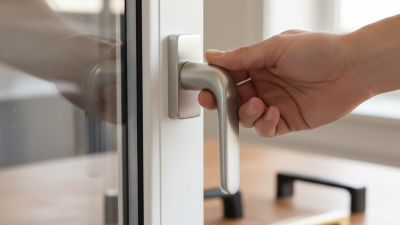
Security depends on more than the latch. The keeper must align closely, and screws must anchor into sound frame material. A worn track, loose fastener, or warped sash can leave the hook only partly engaged. A useful check is simple: close the window, turn the handle, then gently test the sash for movement. A firm feel is reassuring, but it does not prove forced-entry resistance.
The FBI’s Crime in the Nation 2023 report estimated that burglaries fell 7.6% from 2022, yet burglary remains a practical home-security concern. That national figure does not measure window-lock performance. For testing, ASTM F588 evaluates forced-entry resistance of window assemblies, rather than judging a crescent lock alone. This distinction matters: glass, frame, keeper, fasteners, and installation work together. A lock may look sturdy and still be poorly aligned. That is easy to overlook.
Compare Lock Materials: 304 Stainless Steel Typically Contains 18% Chromium and 8% Nickel
China Best Sliding Window Crescent Lock Suppliers?
When comparing sliding window crescent locks, ask which parts use 304 stainless steel. This alloy typically contains about 18% chromium and 8% nickel, though certified compositions can vary within specified ranges. Chromium helps form a protective surface layer, while nickel contributes to toughness and corrosion resistance. Those figures describe the alloy, not every part of a finished lock.
On a window exposed to rain, condensation, or salty air, material choice can affect staining and service life. Inspect the crescent hook, base plate, and screws separately. A stainless-steel hook paired with ordinary steel screws may still leave rust marks near the fixings. Small details matter. Ask suppliers for material declarations or test records, and check whether parts are polished, brushed, or coated. In harsher coastal conditions, 304 may not prevent all pitting.
A useful supplier comparison should include dimensions, closing alignment, cycle testing, and the corrosion test method—not just a composition claim. Fit a sample to a real sash and check that it engages smoothly without forcing the handle. It should hold firmly. One caveat: “18/8” is shorthand, not a complete quality grade; fabrication, surface condition, and installation also matter. Verify that documents match the delivered batch.
Verify Corrosion Resistance: EN 1670 Grade 5 Requires 480 Hours of Salt-Spray Testing
China Best Sliding Window Crescent Lock Suppliers?
For a sliding window crescent lock, corrosion resistance is more than a catalogue claim. EN 1670:2007 assigns Grade 5 to hardware tested for 480 hours in a neutral salt-spray environment. The test method is aligned with EN ISO 9227, which specifies salt-spray procedures.
That matters.
Ask suppliers for the test report, including the tested finish, sample details, and post-test inspection results. A certificate without those details leaves room for doubt.
In practice, look closely at the latch’s edges, screw holes, and contact points. Coating damage often starts where metal is exposed or parts rub together. A Grade 5 result indicates performance under a defined laboratory exposure; it does not promise a fixed number of years outdoors. Coastal air, condensation, cleaning products, and installation quality can all change real-world results.
Not perfect, though:
salt-spray testing is comparative, not a direct simulation of every window’s service life. Request samples and inspect the finish after repeated operation, too. A lock that resists salt spray but binds against the keeper is still a poor fit.
Assess Forced-Entry Resistance Using ASTM F588 Window-Test Criteria
ASTM F588 provides a structured way to assess forced-entry resistance in window assemblies. It evaluates the assembled window, not a crescent lock in isolation. That distinction matters: sash fit, frame strength, fasteners, and keeper attachment can affect how the lock performs under test conditions. A substantial-looking lock is not proof of a tested window.
The FBI’s 2023 Crime in the United States report estimated
847,522 burglary offenses nationwide.
That figure does not identify entry points, so it cannot show how often windows are targeted. Still, it gives useful context for asking suppliers for evidence rather than relying on appearance. Small details matter. Request ASTM F588 test documentation for the specific window configuration, including its frame, sash, glazing, hardware, and installation details.
Compare the documented test assembly with the window you plan to buy. Check that the crescent lock engages its keeper cleanly, and that the keeper is secured to the frame as specified. Ask whether changes in sash size or fasteners affect the reported result. A test certificate can be easy to misread; I would not assume that a similar-looking lock offers equivalent resistance. That deserves a closer look.
Screen China Suppliers for OEM Capability, Traceability, and Verified Test Reports
When screening China suppliers for sliding window crescent locks, look beyond a polished catalog. Ask whether the factory can produce to your drawings, adjust finish or dimensions, and maintain consistent tolerances across repeat orders. A useful OEM discussion should cover material, operating force, mounting-hole position, and compatibility with the window profile. Request a production sample and compare it with the drawing using simple checks, such as a caliper and repeated open-close cycles. Small details matter.
Traceability should link each sample or shipment to a production batch, material record, and inspection date. Ask how defects are recorded and whether corrective actions can be tied to the affected batch. Then check test reports carefully: confirm the report covers the exact lock model and configuration being quoted, not merely a similar product. Verify the report number, test scope, date, and issuing laboratory directly where possible. A polished PDF is not proof by itself. If dimensions or finishes change, ask whether the evidence still applies. Suppliers may answer quickly, but some records arrive incomplete; that gap deserves a follow-up before approval. Request clear photos of markings, packaging labels, and the tested component alongside the paperwork.