2026 Best Sliding Window Crescent Lock for Buyers?
Choosing the 2026 best Sliding Window Crescent Lock means checking more than its finish or price. A lock should suit the window’s sash, frame, and existing fixing points. Measure the screw spacing. Check the handle’s direction and whether it closes without forcing the sash. Small mismatches can leave a lock loose or difficult to operate.
An illustrative expert voice—not a verified industry quotation—offers this reminder: “Match the lock to the window’s fit and condition, not just its appearance.” The fictional specialist, Daniel Reed, represents a practical buyer’s perspective. His point matters because a polished handle cannot correct a misaligned sash. Nor does a familiar shape guarantee compatibility.
Look closely at the body material, moving parts, finish, and supplied fixings. Ask whether the lock is intended for your window type, and compare its dimensions with the hardware already installed. If the sash catches, inspect the alignment before assuming the lock is at fault. That step is easy to miss.
This guide compares features buyers can verify, including fit, ease of use, and construction details. It also flags questions worth asking a seller before purchase. Product descriptions may leave gaps. Check them.
No single model suits every window. The best choice is the one that fits securely, moves smoothly, and matches the window’s actual condition. A little measuring now can prevent an inconvenient return later.
What Is a Sliding Window Crescent Lock and How Does It Work?
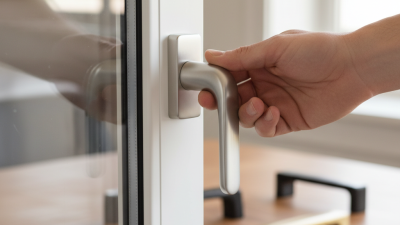
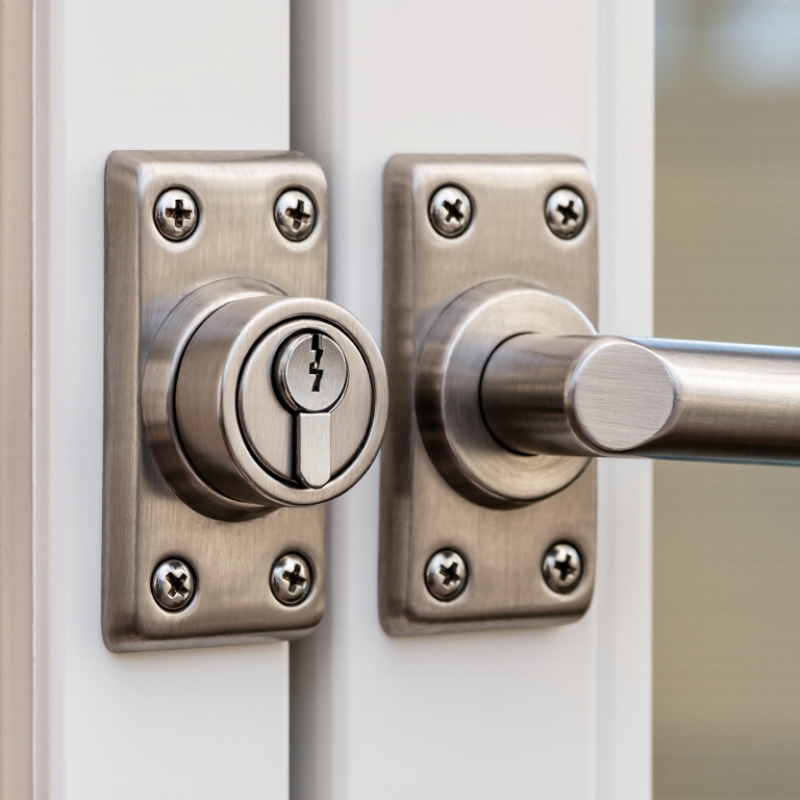
A sliding window crescent lock is a small fitting that helps hold a movable sash closed. Its curved handle rotates over a fixed keeper, usually mounted on the opposing sash or frame. When the two parts meet correctly, the handle draws the window snug and resists casual opening. Simple mechanism. The crescent shape gives fingers a clear grip, even when the fitting sits close to the glass.
To use it, slide the window shut, check that the sash edges line up, then turn the handle into the keeper. You should feel it engage without forcing it. If the handle needs a hard twist, the keeper may be misaligned, the sash may have shifted, or dirt may be blocking the contact point. A quick look at the screws and moving parts can reveal looseness or wear. Do not rely on a lock that no longer catches cleanly.
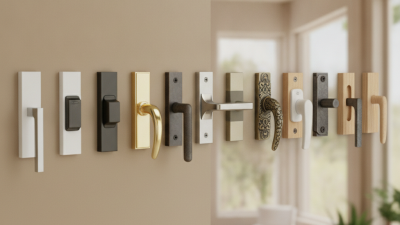
For buyers, fit matters more than appearance alone. Measure the existing screw spacing and compare the lock’s shape and reach with the window’s available clearance. Frame material and sash thickness can affect installation. A crescent lock improves everyday closure, but it is not a guarantee against forced entry. That distinction is easy to overlook. Check operation after fitting, and reassess it if the window starts rattling or the handle slips out of its keeper.
Key Features That Define a Reliable Crescent Lock in 2026
A dependable sliding-window crescent lock should engage cleanly, hold the sash snugly, and resist loosening after repeated use. The handle should move without scraping, while the hook should seat fully against its keeper. Check for corrosion-resistant metal, a firm mounting base, and screws that remain accessible for adjustment. Small details matter. A loose keeper can leave a visible gap, even when the handle appears locked.
The U.S. Department of Energy estimates that heat gain and heat loss through windows account for 25%–30% of residential heating and cooling energy use. That figure describes window performance overall, not the effect of a lock alone. Still, consistent closure helps a window’s seals do their job. For broader performance context, the NAFS window standard, AAMA/WDMA/CSA 101/I.S.2/A440, evaluates complete window assemblies for air leakage, water penetration, and structural performance. It does not certify a crescent lock by itself. Ask whether the lock is compatible with the tested window assembly, and inspect how its keeper aligns in practice. A slightly awkward handle is easy to dismiss; repeated misalignment is not.
How to Choose a Crescent Lock for Different Window Types
For a single-hung or double-hung window, check that the crescent lock fits the meeting rails—the horizontal sections where the sashes overlap. Measure the rail width and thickness, then compare the lock’s base, screw-hole spacing, and keeper position. A few millimeters can affect alignment. Measure twice. If the sash already has old holes, confirm they match before choosing a replacement.
Sliding windows also use overlapping sash rails, but their lock orientation and keeper location can differ. Check which sash moves and where the two rails meet when closed. Some locks are handed, so a left-side mechanism may not suit a right-side installation. Look for a snug fit that draws the sashes together without forcing them. A lock that looks right can still bind.
Crescent locks generally suit sliding or hung sash windows, not most casement windows, which open outward on hinges and need a different locking arrangement. Small details matter. Inspect the frame for corrosion, cracked wood, or loose screws; a new lock cannot correct a damaged mounting surface. After installation, close the window and test the latch several times. It should engage smoothly, hold the sashes securely, and release without excessive force. If the rails are warped or misaligned, address that problem before relying on a replacement lock.
Installation and Compatibility Factors Buyers Should Check
A crescent lock should match the window’s sash and frame, not just its appearance. Sliding windows vary in rail height, sash overlap, and available mounting space. Measure the distance between the meeting rails and check how much flat surface is available for the lock body. A few millimeters can affect whether the latch engages cleanly.
Check the existing screw holes and the sash material before installation. Short screws may not hold securely, while long screws can damage parts inside the frame. Keep the lock aligned with the keeper, then open and close the window several times. The latch should engage without lifting, forcing, or rubbing against the sash. One easy detail to miss is clearance: a lock may fit when closed but interfere with the window handle or screen when opened. Compatibility guides are useful, but the actual frame can differ from diagrams.
Tips: Take measurements at the meeting rails, not the outer frame. Test the lock gently before tightening every screw. If alignment remains uncertain, pause and check the window maker’s guidance or ask a qualified installer. A lock is only one part of window security.
Maintenance and Security Limits of Crescent Window Locks
A crescent lock is a familiar, low-profile fitting on many sliding windows. It helps hold the moving sash against the frame, but it is not a complete security system. A loose handle, worn fastener, or misaligned sash can reduce how firmly the lock engages. Small details matter. Check that the two parts meet cleanly when the window closes. If the sash rattles or the lock slips, do not assume the window is secure. On older frames, the surrounding material may also be weakened, even when the lock looks intact.
Routine care is simple: wipe away grit, inspect the fasteners, and test the lock gently after cleaning. Avoid forcing a stiff handle; that can strain the fitting or damage the frame. If screws keep loosening, or the sash no longer sits square, have the window assessed rather than repeatedly tightening it. A crescent lock offers limited resistance on its own, especially if the frame or glass is vulnerable. That is not enough. Consider it one layer of protection, not a substitute for sound frames, suitable glazing, and other appropriate security measures. Some older windows are simply harder to secure than they appear.
2026 Best Sliding Window Crescent Lock for Buyers? — Maintenance and Security Limits
This chart describes typical functionality, not laboratory-tested security ratings. A crescent lock is designed to hold a sliding sash closed when correctly engaged; it does not inherently provide keyed access control or protect glass from breakage. Check that the lock and keeper align, operate smoothly, and have secure fasteners. Replace damaged or worn parts, and consider supplementary security measures where needed.